Remember when low-rise jeans ruled the world and velour tracksuits were the height of luxury?
The early 2000s brought us fashion moments that defined an entire generation, from red carpets to school hallways.
This was the era when pop stars became style icons, accessories got bedazzled, and comfort surprisingly met glamour in ways we’d never seen before.
If you lived through this decade, you know exactly which outfits made you stop and stare at magazine covers, music videos, and teen drama shows.
Whether you embraced these trends wholeheartedly or watched from the sidelines, the early 2000s gave us fashion statements that were bold, unapologetic, and absolutely unforgettable.
In this deep dive into 33 Early 2000s Outfits Everyone Wanted Back Then, we’ll revisit the looks that had waiting lists, inspired countless imitations, and somehow managed to make frosted tips and butterfly clips seem like sophisticated choices.
From Juicy Couture’s velour empire to the denim-on-denim phenomenon that took over, these outfits weren’t just clothes—they were cultural moments that shaped how an entire generation expressed themselves.
1. Velour Tracksuit Sets
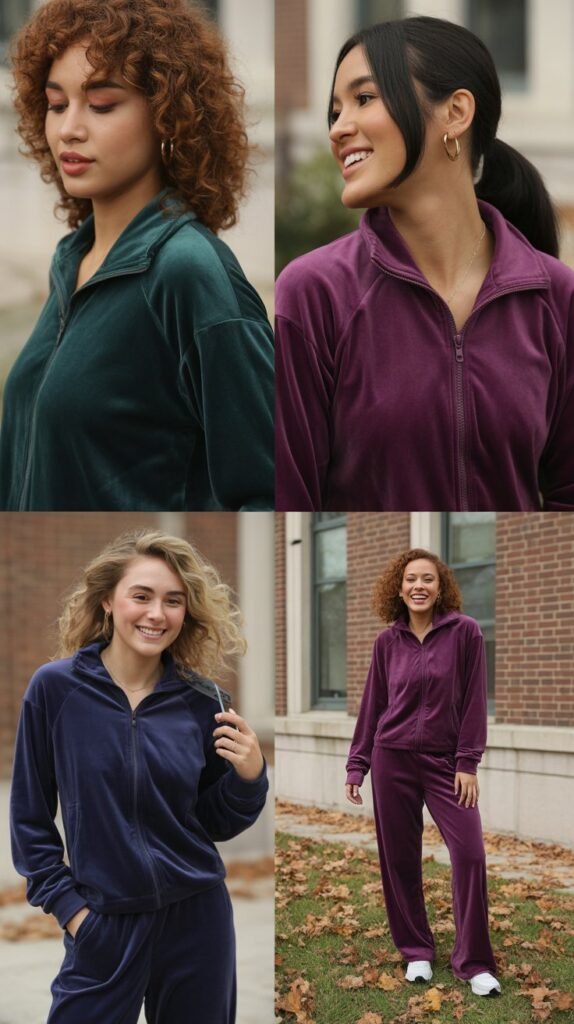
The velour tracksuit became the unofficial uniform of early 2000s celebrity culture, transforming casual loungewear into a luxury statement piece.
Brands like Juicy Couture made these zip-up jackets and matching pants a must-have item that signaled both comfort and status.
- The fabric’s soft, plush texture made these tracksuits feel indulgent while remaining completely practical for everyday wear.
- Celebrities were photographed wearing them everywhere from coffee runs to airport terminals, making them aspirational yet accessible.
- The matching sets came in dozens of colors, from classic black and pink to bold metallics and pastels.
- Rhinestone embellishments on the back pockets and chest added sparkle that caught attention without trying too hard.
- Pairing these suits with designer handbags and oversized sunglasses created a casual-luxe aesthetic that defined the era.
- The trend proved that expensive didn’t have to mean formal, revolutionizing how people thought about high-end fashion.
2. Low-Rise Jeans with Visible Thongs
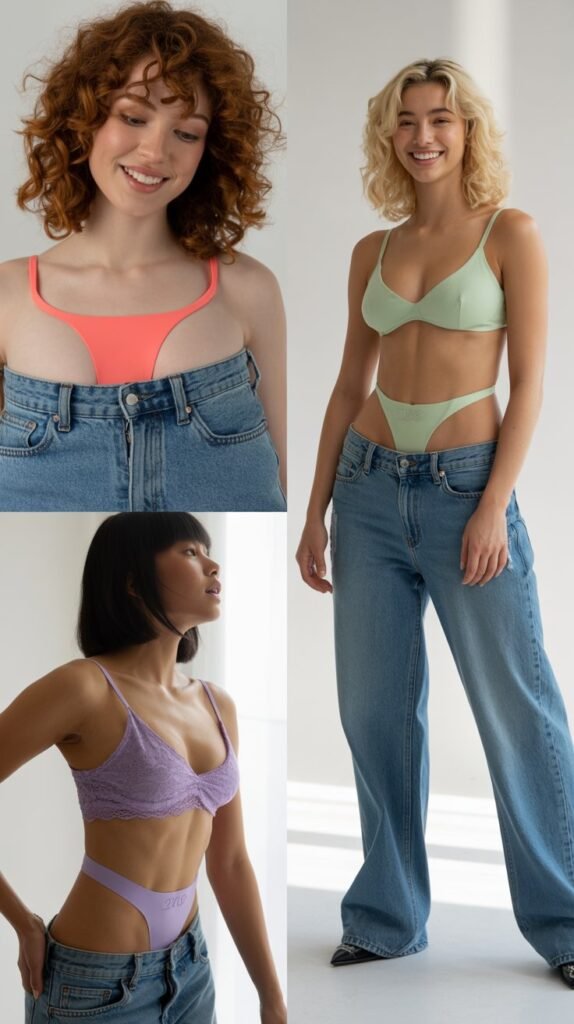
Low-rise denim dropped waistlines to unprecedented levels, creating a silhouette that dominated the early 2000s fashion landscape.
The deliberately visible thong straps became a controversial yet ubiquitous styling choice that pushed boundaries.
- These jeans sat several inches below the natural waistline, sometimes barely reaching the hip bones.
- Thong underwear with decorative waistbands in lace, satin, or logo prints were specifically designed to be seen above the jeans.
- The look required confidence and a certain body consciousness that reflected the era’s beauty standards.
- Celebrities on red carpets and in paparazzi photos normalized this once-shocking exposure of undergarments.
- Styling often included cropped tops or tanks that emphasized the ultra-low waistline.
- The trend sparked debates about appropriateness but remained wildly popular throughout the decade’s first half.
3. Popped Collar Polo Shirts
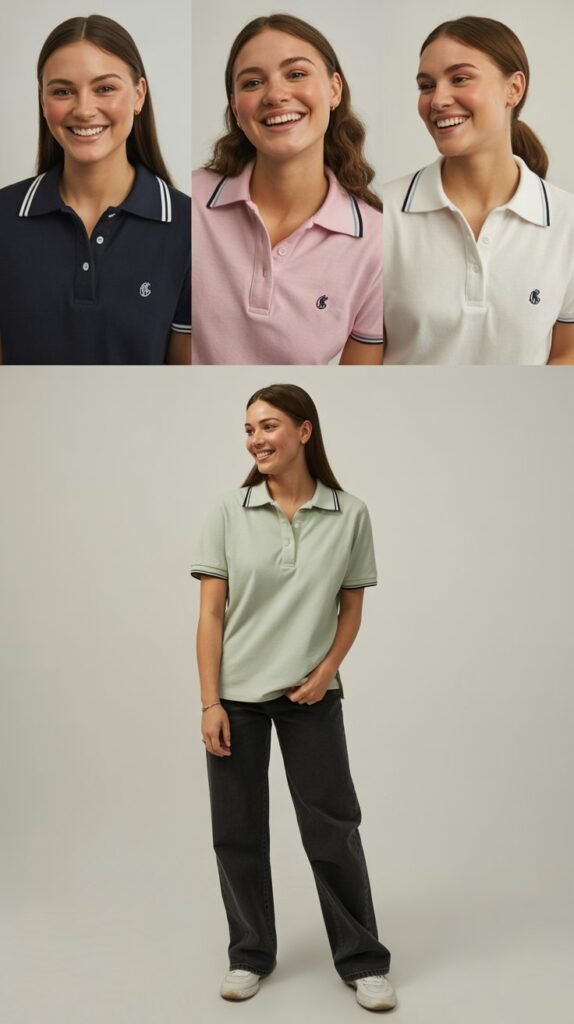
The preppy polo shirt got an edgy makeover when people started popping the collar upward, creating a distinctive silhouette.
This styling trick transformed a classic piece into something that felt fresh and rebellious for the time.
- Brands like Lacoste, Ralph Lauren, and Abercrombie & Fitch became synonymous with this trend.
- Layering multiple polos in different colors with all collars popped created dimension and visual interest.
- The look bridged the gap between athletic wear and casual sophistication.
- Both men and women embraced this styling technique, making it one of the era’s most gender-inclusive trends.
- Pairing popped collars with distressed jeans and boat shoes completed the quintessential early 2000s preppy look.
- The trend represented a rebellion against the grunge aesthetic of the previous decade, embracing polish and structure instead.
4. Denim-on-Denim Everything
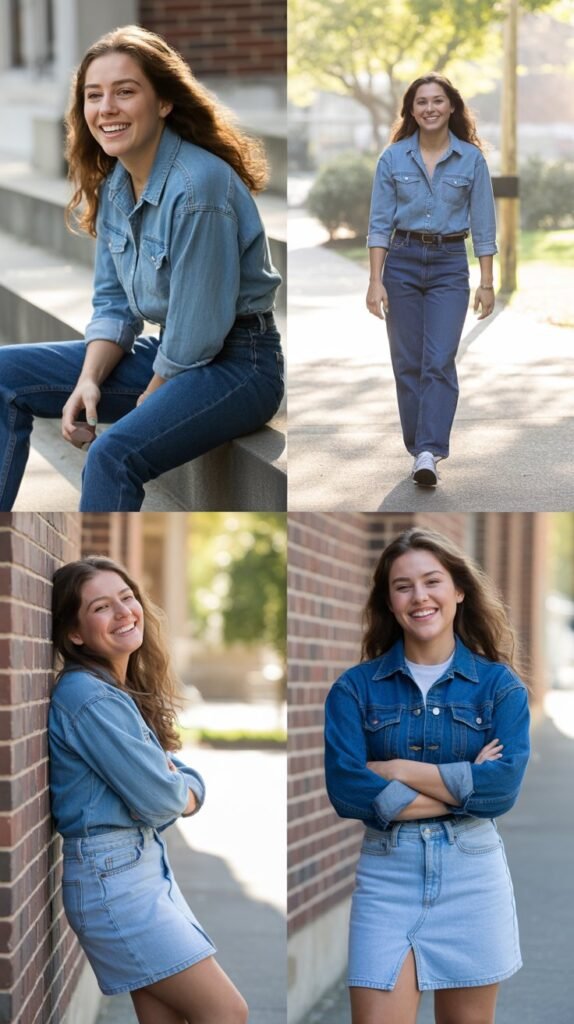
The early 2000s took denim matching to extreme levels, with head-to-toe denim outfits becoming a legitimate fashion statement. What was once considered a fashion faux pas became the height of cool when styled correctly.
- Matching denim jackets with jeans in the same wash created a cohesive, intentional look.
- Some outfits incorporated denim skirts, vests, handbags, and even hats for complete commitment to the trend.
- Different washes and textures helped create visual interest within all-denim ensembles.
- Celebrities made headlines with coordinated denim outfits on red carpets, legitimizing the trend for mainstream audiences.
- The Canadian tuxedo nickname gained popularity, though the look was worn with complete sincerity rather than irony.
- Embellishments like rhinestones, embroidery, and distressing added personality to these denim-heavy outfits.
5. Von Dutch Trucker Hats
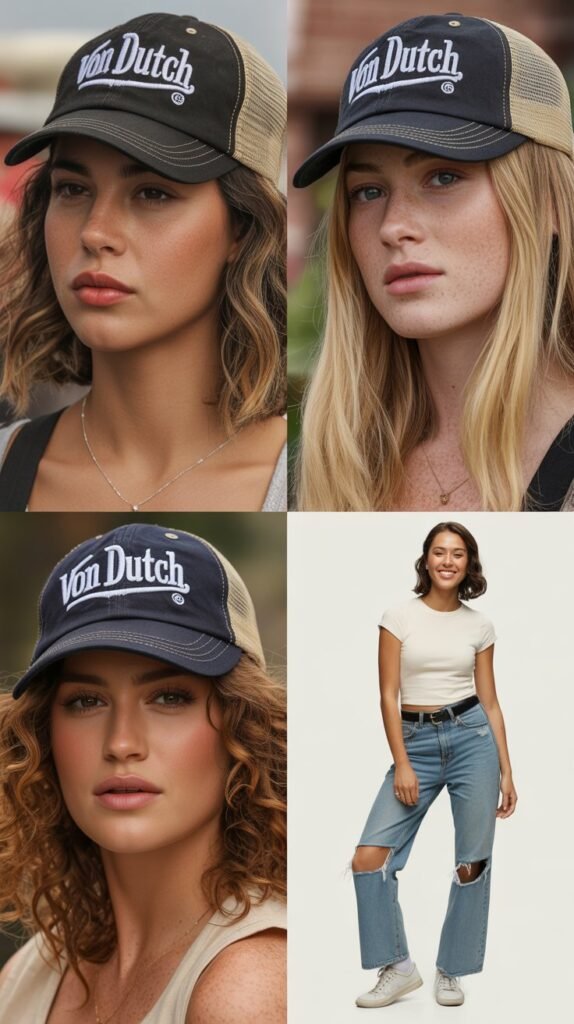
Trucker hats transcended their working-class origins to become luxury accessories thanks to brands like Von Dutch. These mesh-backed caps with foam fronts became status symbols despite their humble aesthetic.
- The brand’s logo became instantly recognizable, making authentic Von Dutch hats highly sought after and frequently counterfeited.
- Celebrities wore them with everything from casual jeans to designer dresses, proving their versatility.
- The adjustable snap-back closure made them one-size-fits-all, contributing to their widespread appeal.
- Different colors and limited edition designs created collectibility around these relatively simple accessories.
- The trend represented how the early 2000s elevated “lowbrow” items into high fashion statements.
- Pairing these hats with oversized sunglasses became a signature paparazzi-avoiding look for celebrities.
6. Ugg Boots with Mini Skirts
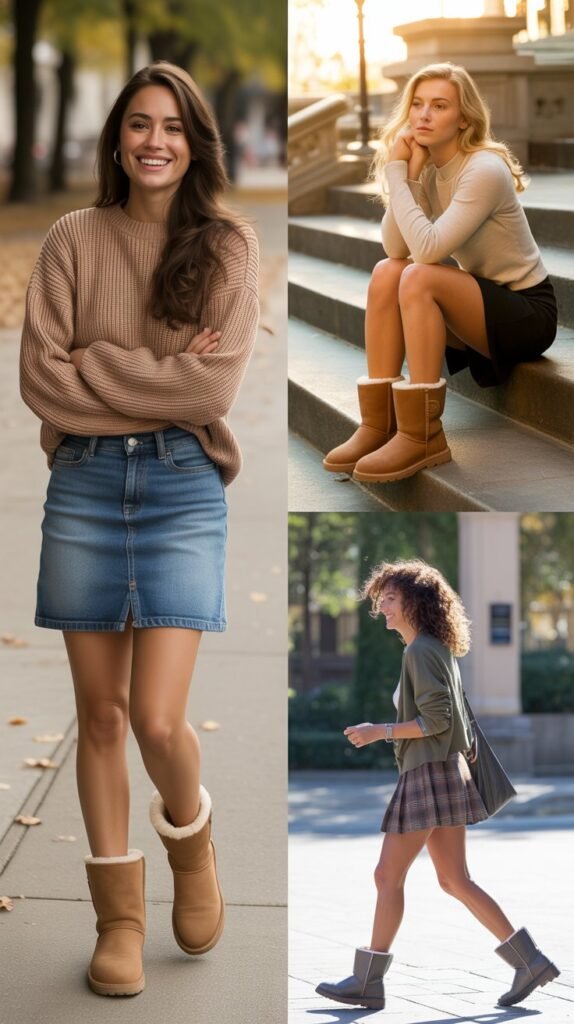
Ugg boots paired with mini skirts created one of the early 2000s most unexpected yet enduring combinations. This juxtaposition of cozy footwear with revealing hemlines defined casual fashion during this period.
- The Australian sheepskin boots provided warmth and comfort while maintaining a relaxed aesthetic.
- Denim mini skirts were the most common pairing, creating a casual weekend look.
- The combination worked across seasons, with bare legs in warmer months and tights added for colder weather.
- Celebrities made this pairing mainstream, photographed wearing it constantly in paparazzi shots.
- The look emphasized comfort without sacrificing style, reflecting changing priorities in fashion.
- Different Ugg heights from short to tall offered styling variations while maintaining the trend’s essence.
7. Graphic Tees with Slogans
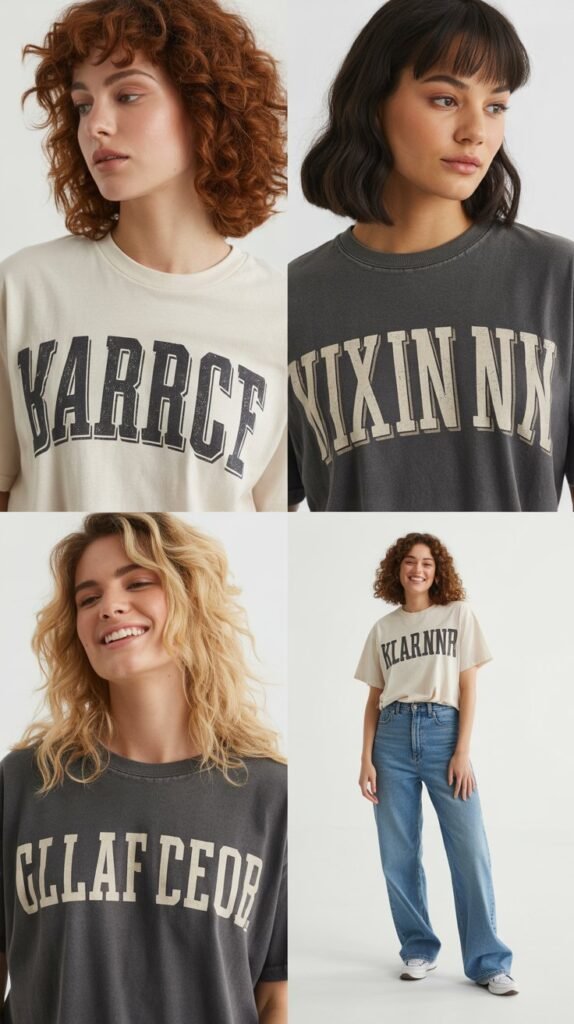
Printed t-shirts with bold text, witty phrases, and pop culture references became conversational pieces that expressed personality. These graphic tees transformed basic tops into statement-making wardrobe essentials.
- Phrases ranged from humorous one-liners to brand names displayed in oversized fonts.
- Vintage-inspired band tees gained popularity, even among people unfamiliar with the music.
- Fitted baby tees with graphics created a feminine silhouette that contrasted with baggy alternatives.
- Layering these tees under blazers or over long-sleeved shirts added dimension to outfits.
- The trend represented a shift toward self-expression through clothing in casual, accessible ways.
- Popular slogans often referenced current pop culture, making these shirts time capsules of the era.
8. Tie-Dye Comeback
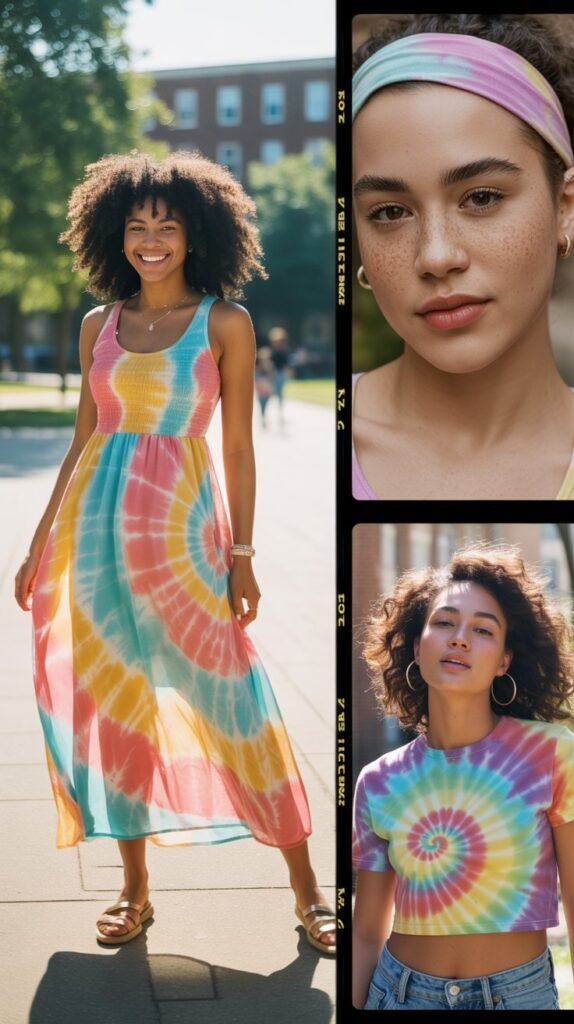
Tie-dye experienced a major resurgence, moving from hippie throwback to mainstream trend. The psychedelic patterns appeared on everything from casual tees to designer pieces.
- Brighter, more vibrant color combinations distinguished 2000s tie-dye from its 1960s predecessor.
- The pattern appeared on unexpected items like jeans, hoodies, and even accessories.
- DIY tie-dye kits allowed people to customize their own clothing, making the trend participatory.
- Celebrities wore high-end designer tie-dye, elevating the aesthetic beyond its craft project origins.
- Spiral patterns were especially popular, creating hypnotic circular designs that drew the eye.
- The trend reflected the era’s embrace of color and pattern mixing in unexpected ways.
9. Cargo Pants with Multiple Pockets
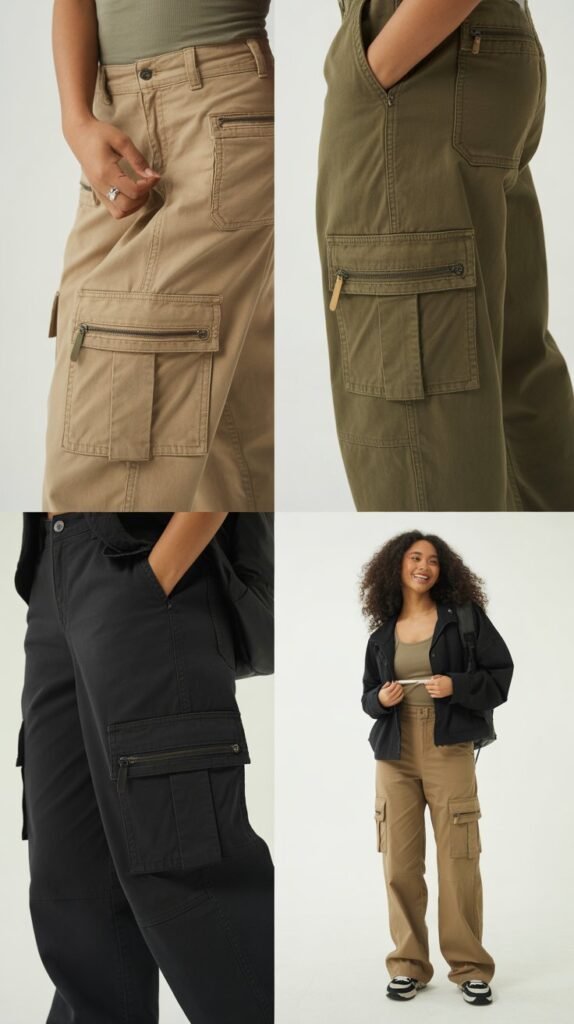
Cargo pants brought military-inspired utility to mainstream fashion with their numerous oversized pockets. These loose-fitting pants became staples for both practical and aesthetic reasons.
- The abundance of pockets provided actual functionality, appealing to those who valued practicality in fashion.
- Baggy silhouettes created a relaxed, comfortable fit that contrasted with body-conscious alternatives.
- Neutral colors like khaki, olive, and black dominated, though brighter versions appeared too.
- The pants worked across gender lines, becoming popular in both men’s and women’s fashion.
- Styling with fitted tops balanced the voluminous bottom half, creating proportion in outfits.
- The trend represented the early 2000s fascination with utilitarian and military-inspired design elements.
10. Chunky Highlights
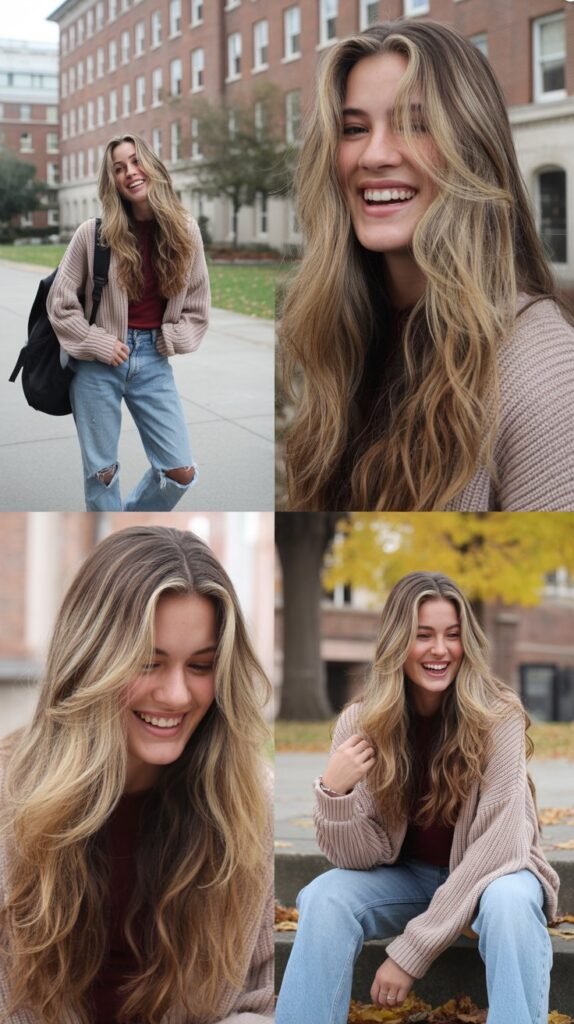
Chunky, contrasting highlights became the defining hair trend that complemented early 2000s fashion perfectly. These bold streaks of color created dimension that was impossible to miss.
- Blonde streaks on darker hair were most common, creating stark contrast that framed the face.
- The chunks were significantly thicker than traditional highlights, making them statement-making rather than subtle.
- Face-framing pieces received special attention, with lighter sections around the hairline.
- The trend worked with various hairstyles from straight and sleek to wavy and textured.
- While now considered a beauty trend, the hairstyle was so integral to outfits that it completed entire looks.
- Maintenance was minimal compared to all-over color, contributing to the trend’s accessibility and popularity.
11. Bedazzled Everything
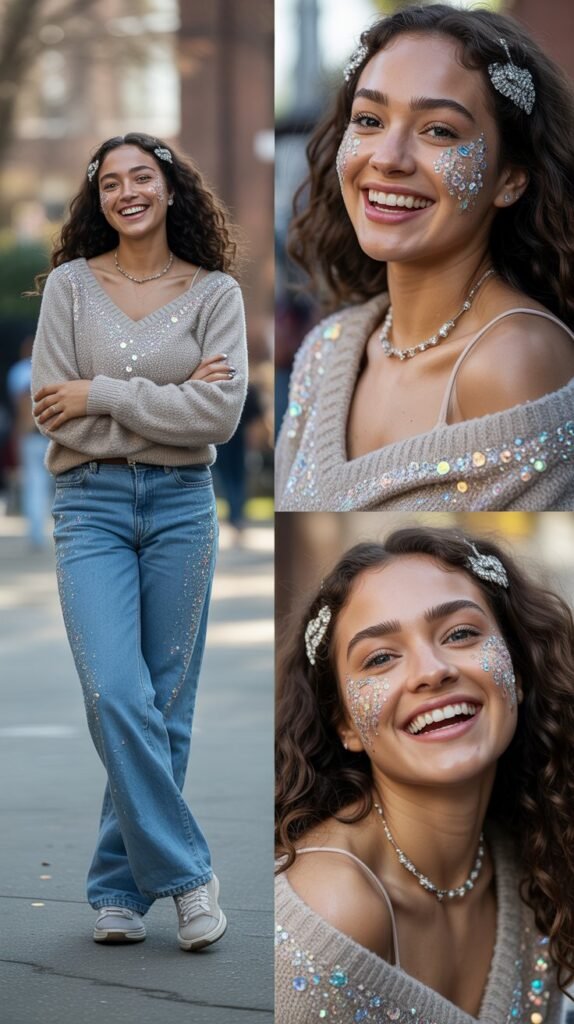
Rhinestones and crystals appeared on virtually every surface, transforming ordinary items into sparkling statement pieces. This embellishment trend added glamour to even the most casual outfits.
- Jeans featured rhinestone designs on pockets, seams, and throughout the denim.
- Tank tops, t-shirts, and hoodies received crystal treatments that caught light dramatically.
- Accessories from belts to bags incorporated bedazzling as standard decoration.
- DIY bedazzling kits allowed people to customize their own clothing and accessories at home.
- The trend reflected the era’s “more is more” approach to decoration and personalization.
- Different crystal colors allowed for coordination with specific outfits and color schemes.
12. Platform Flip Flops
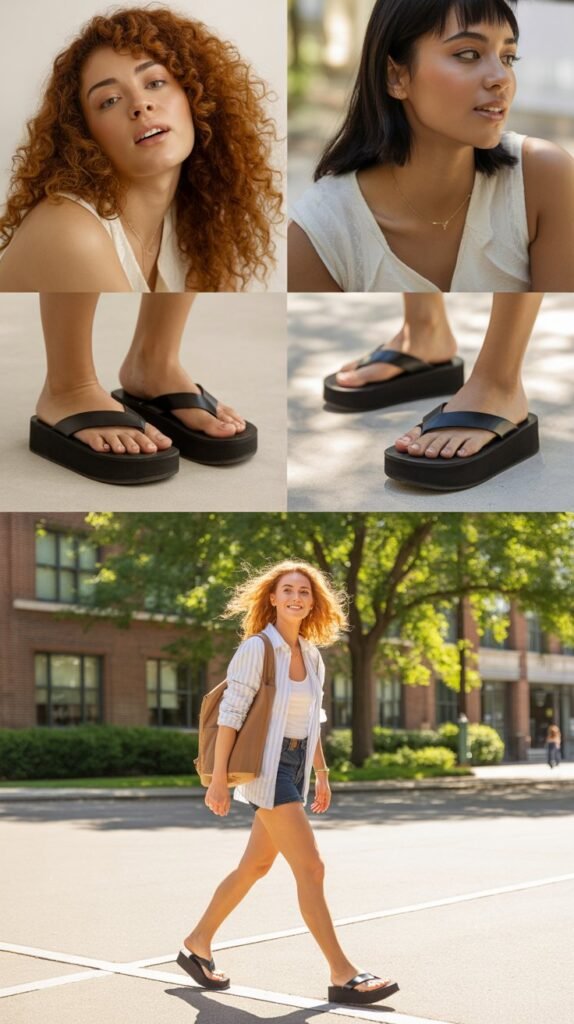
Casual footwear got elevated—literally—with platform flip flops that added inches of height. These chunky sandals transformed simple summer shoes into statement-making footwear.
- Platforms ranged from modest one-inch lifts to extreme four-inch heights.
- The thick soles often featured colorful stripes or patterns that added visual interest.
- Despite their height, the flip flop design maintained a casual, beach-appropriate aesthetic.
- Pairing these with everything from jeans to sundresses made them incredibly versatile.
- The trend made it possible to gain height while maintaining summer comfort.
- Different strap designs from simple thongs to embellished versions offered variety within the trend.
13. Shrug Cardigans
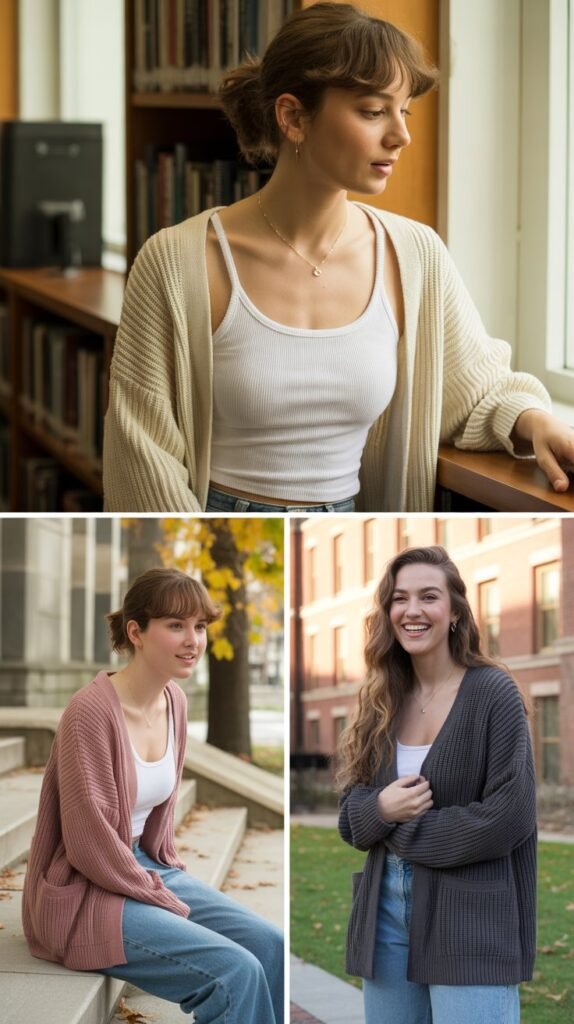
Tiny shrug sweaters that barely covered the shoulders became layering essentials. These cropped cardigans added coverage without hiding the outfits underneath.
- The ultra-short length typically ended just below the bust or at the ribs.
- Long sleeves on these abbreviated sweaters created an interesting proportion play.
- Shrugs worked perfectly over spaghetti strap tops and dresses, adding modesty when needed.
- Materials ranged from casual cotton to dressy satin, making them appropriate for various occasions.
- The trend allowed people to wear summer pieces in cooler weather without completely covering them.
- Embellishments like sequins, embroidery, and ribbon ties added personality to these simple pieces.
14. Gauchos and Capri Pants
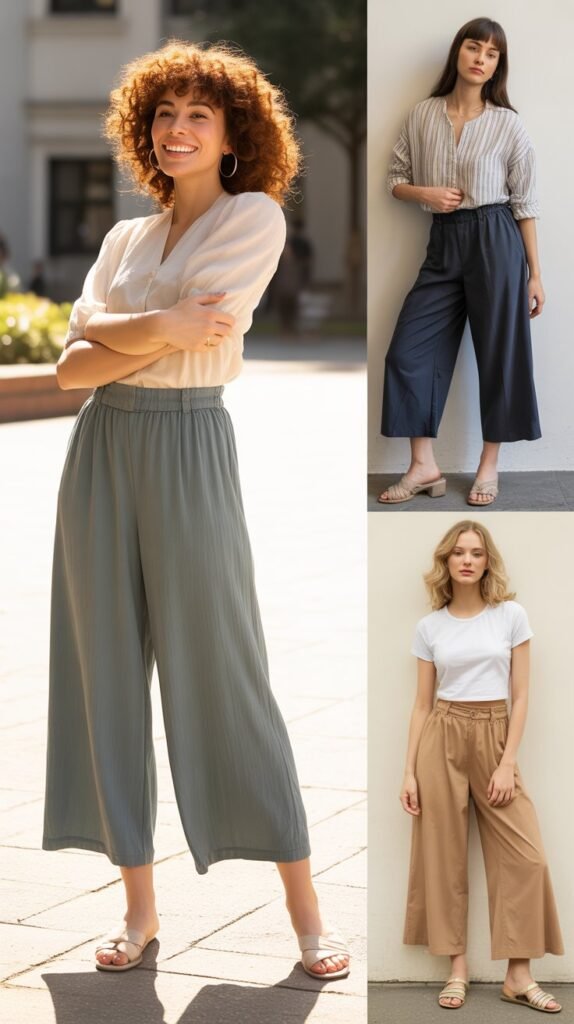
These cropped pants offered an alternative to full-length jeans while creating distinctive silhouettes. Gauchos with their wide legs and capris with fitted styles became warm-weather staples.
- Gauchos typically ended mid-calf with a flowing, wide-leg cut that moved dramatically.
- Capri pants hit just below the knee with a more fitted silhouette that elongated legs.
- Both styles worked well with heeled sandals or ballet flats, creating polished casual looks.
- The cropped length made these perfect transition pieces between seasons.
- Patterns from stripes to florals appeared frequently, adding visual interest to the unique lengths.
- The trends represented the era’s experimentation with traditional pant proportions and silhouettes.
15. Ponchos and Capes
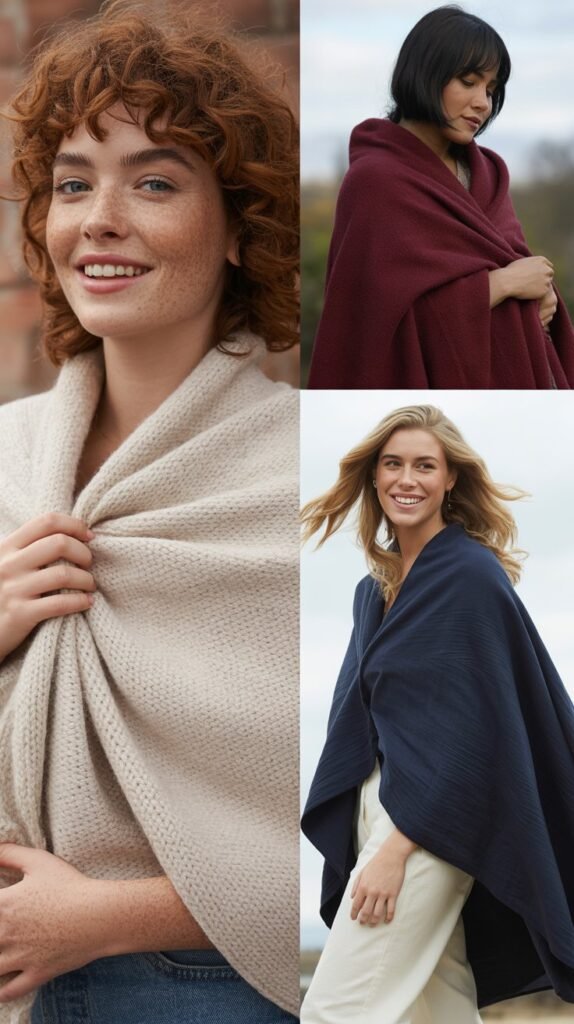
Oversized, drapey outerwear in poncho and cape styles brought bohemian influences to mainstream fashion. These loose-fitting layers offered coverage without structure.
- The lack of defined sleeves created a flowing, artistic silhouette that felt effortless.
- Fringe details on edges added movement and emphasized the boho aesthetic.
- Materials ranged from heavy knits for cold weather to light fabrics for layering.
- The oversize fit accommodated various body types, making the trend widely accessible.
- Styling typically involved fitted bottoms to balance the voluminous top.
- The trend reflected the early 2000s embrace of 1970s-inspired fashion elements.
16. Skinny Scarves
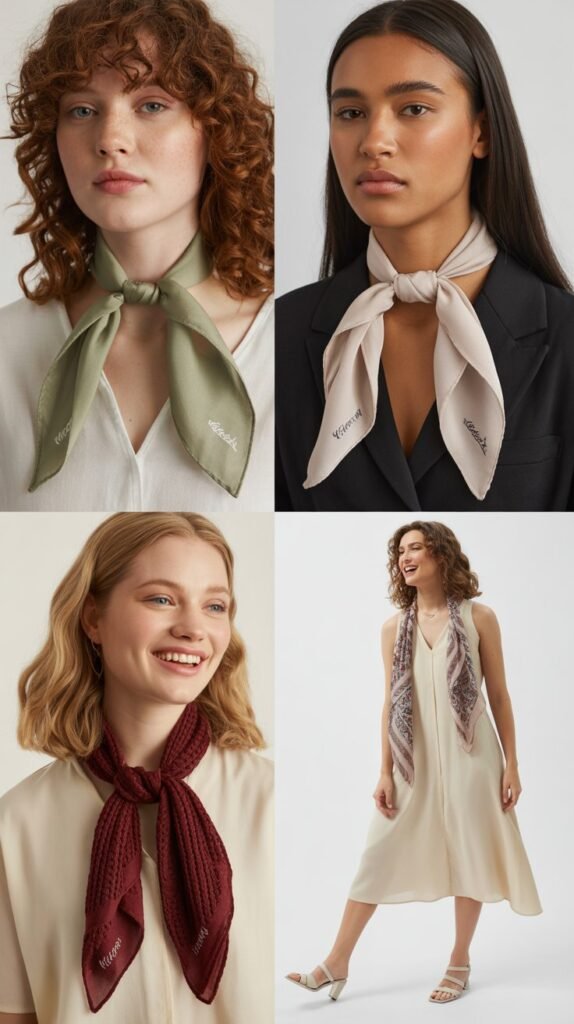
Long, thin scarves worn loosely around the neck became unexpected accessories that added color and interest. These delicate scarves contrasted with the era’s generally bold aesthetic.
- The scarves were typically silk or satin, adding a luxurious texture to casual outfits.
- Wearing them untied and hanging loose created a relaxed, effortless appearance.
- Bright colors and bold patterns made these subtle accessories into statement pieces.
- The trend worked across seasons, adding interest without significant warmth.
- Layering multiple skinny scarves in coordinating colors created dimension and visual complexity.
- Celebrity adoption made these simple accessories must-have items despite their minimalist nature.
17. Peasant Tops and Blouses
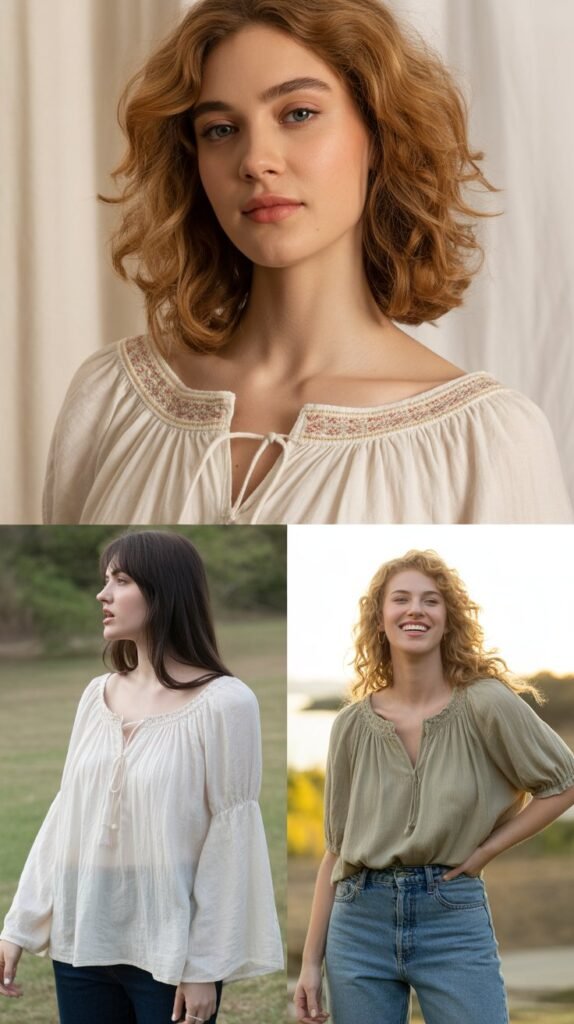
Romantic tops with elastic necklines, puffed sleeves, and flowing fabrics brought feminine softness to the era. These blouses offered an alternative to the body-conscious trends dominating the decade.
- Off-shoulder and elastic necklines allowed for adjustable styling that could be modest or revealing.
- Embroidered details and lace trims added vintage-inspired decoration.
- The loose, flowing fit provided comfort while maintaining a romantic aesthetic.
- Pairing these tops with fitted jeans balanced the voluminous upper half.
- The trend reflected influences from both bohemian and vintage fashion movements.
- Different sleeve lengths from short puffs to long peasant styles offered variety within the trend.
18. Bootcut Jeans with Flared Bottoms
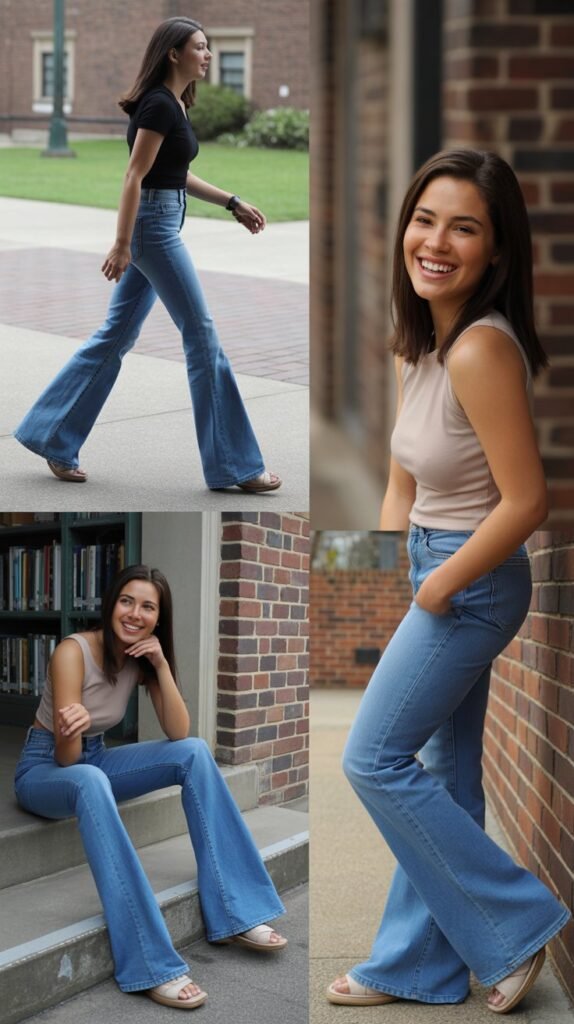
Wide leg openings that flared slightly from the knee down became the standard jean silhouette. These jeans balanced proportions while accommodating the era’s footwear trends.
- The flare typically began at the knee, creating a subtle bell shape at the hem.
- The silhouette worked perfectly with heeled boots, which could be tucked underneath the flare.
- Dark washes were particularly popular, creating a dressier alternative to distressed denim.
- The fit balanced the low-rise waistlines that dominated, adding volume at the bottom.
- Wearing these with heels created an elongating effect that was flattering on various body types.
- The trend represented a softer interpretation of the wide-leg pants from the previous decade.
19. Ribbons as Chokers and Belts
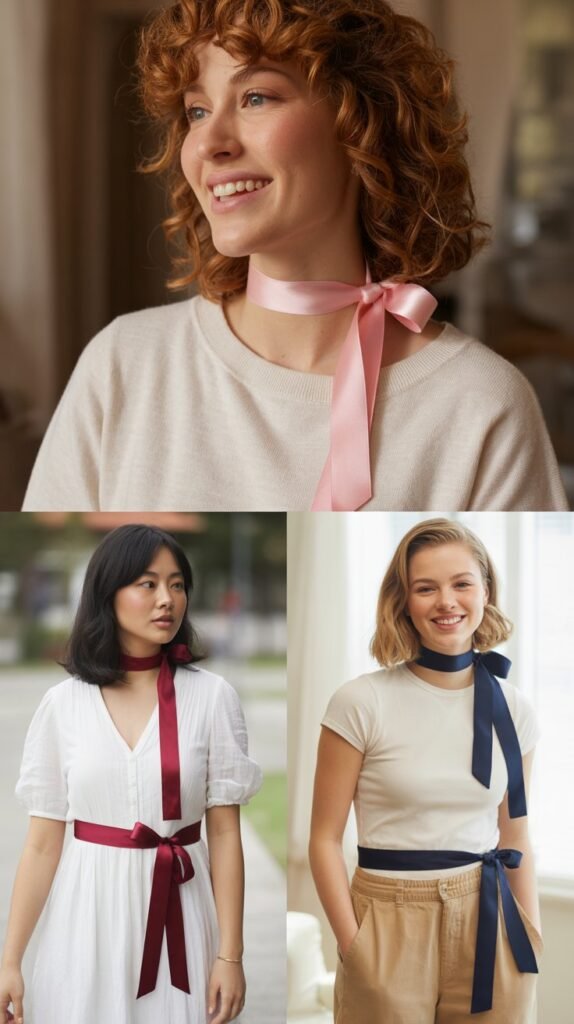
Simple ribbons repurposed as accessories created DIY fashion statements that felt both innocent and stylish. These inexpensive materials transformed into trendy accessories through creative styling.
- Velvet ribbons in black were most iconic, tied around necks as choker necklaces.
- Satin ribbons in various colors became belt alternatives, cinching waists over dresses and tops.
- The trend’s accessibility made it popular across economic backgrounds since materials were inexpensive.
- Tying ribbons into bows added a feminine, romantic touch to otherwise simple outfits.
- The simplicity of the materials belied their impact on overall outfit aesthetics.
- This trend represented the era’s creativity in finding fashion solutions beyond traditional retail offerings.
20. Newsboy Caps and Cabbie Hats
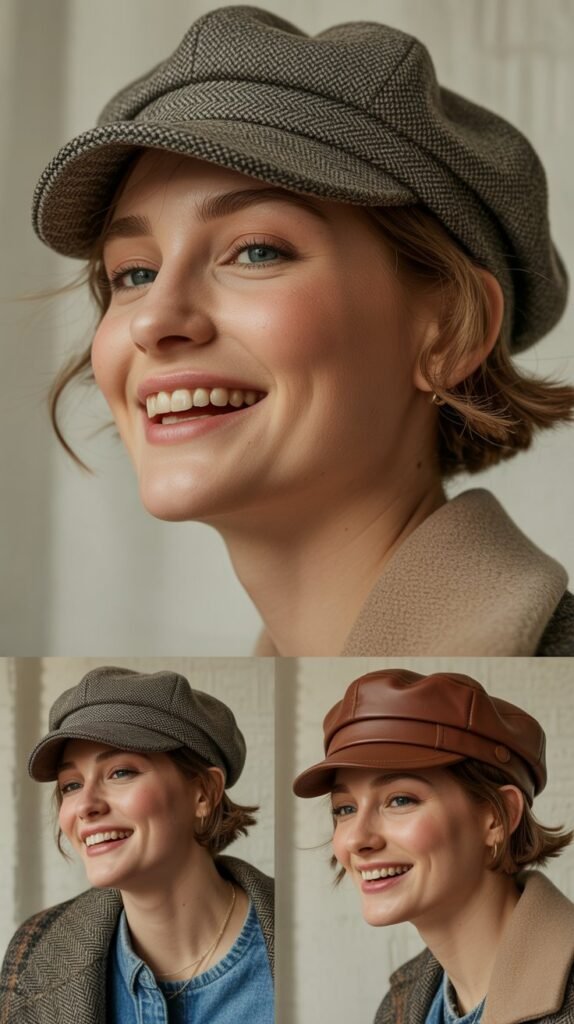
Vintage-inspired caps with short brims and rounded crowns brought retro masculine style to mainstream fashion. These structured hats added personality and edge to casual outfits.
- Materials ranged from wool blends for cold weather to cotton and linen for warmer months.
- The caps worked with both dressed-up and casual looks, proving surprisingly versatile.
- Wearing them slightly tilted or pushed back created different aesthetic effects.
- The trend represented the era’s mining of various historical periods for inspiration.
- Both men and women wore these caps, though styling differed between genders.
- Pairing them with feminine outfits created interesting contrasts that defined early 2000s styling.
21. Layered Tank Tops
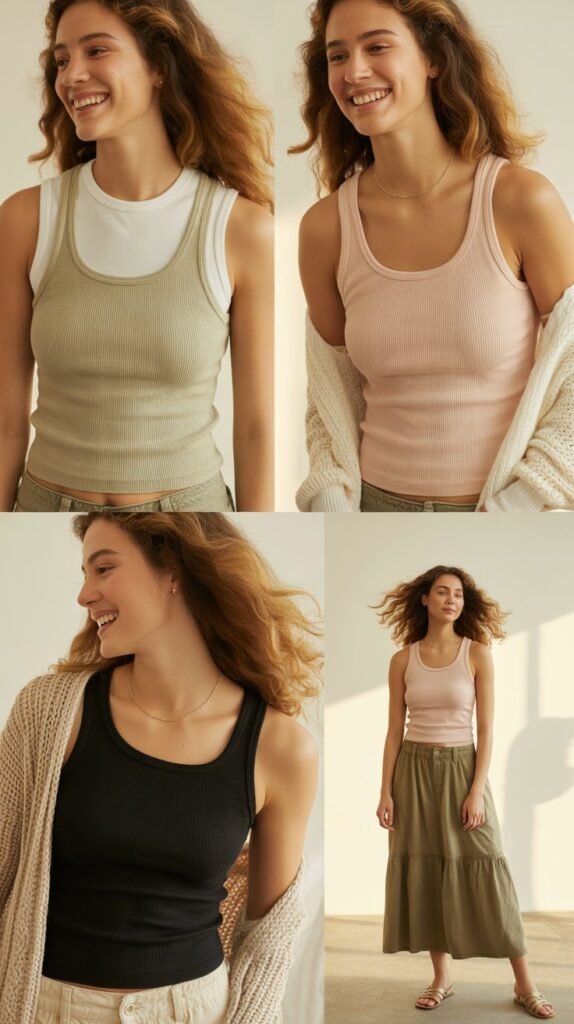
Multiple tank tops worn simultaneously in contrasting colors created dimension and visual interest. This layering technique turned simple basics into intentional fashion statements.
- Different colored straps peeking out created rainbow effects at the shoulders and neckline.
- Varying the lengths allowed each layer to be visible at the hem, maximizing the effect.
- Spaghetti strap versions were most popular, creating delicate layered lines.
- The trend made affordable basics feel special through creative styling rather than expensive pieces.
- Coordinating colors thoughtfully demonstrated fashion knowledge and attention to detail.
- This layering worked year-round, offering warmth in cool weather and breathability in summer heat.
22. Metallic Fabrics
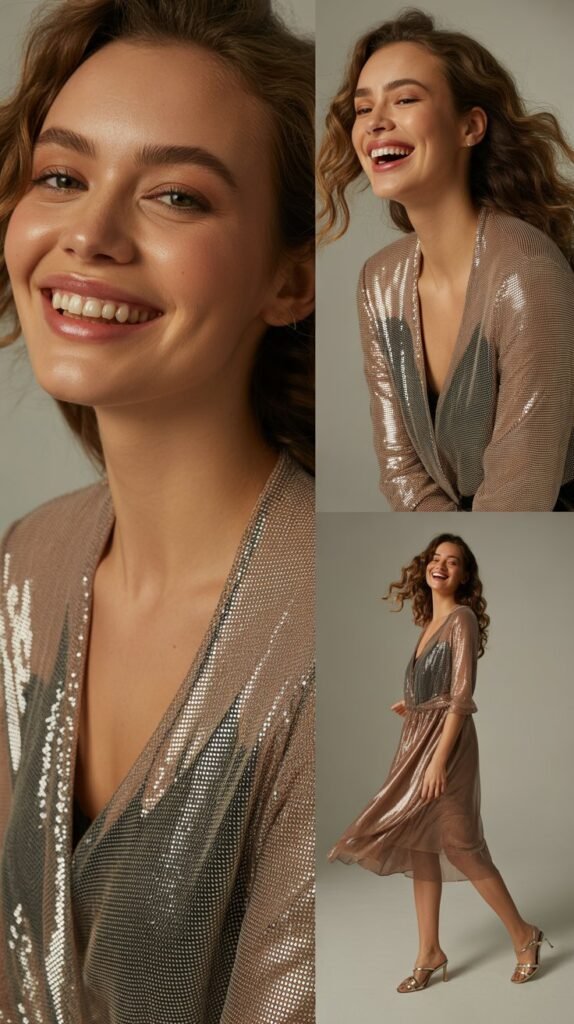
Shiny, reflective materials in silver and gold brought futuristic vibes to everyday clothing. These eye-catching fabrics made wearers impossible to ignore in any setting.
- The materials ranged from subtle shimmer to full mirror-like finishes.
- Metallic elements appeared on everything from pants and skirts to tops and accessories.
- The trend reflected Y2K-era fascination with technology and futuristic aesthetics.
- Pairing metallic pieces with neutral basics prevented outfits from becoming costume-like.
- Different metallic shades from copper to gunmetal offered variety within the trend.
- The fabrics photographed dramatically under flash photography, making them popular for nightlife and events.
23. Butterfly Clips
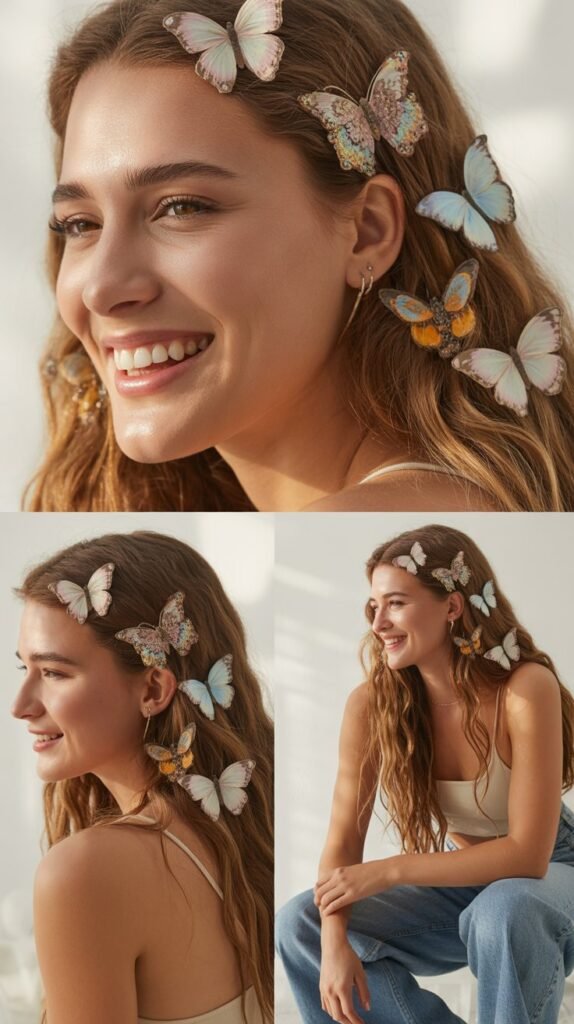
Small plastic clips shaped like butterflies appeared throughout hairstyles as both functional and decorative elements. These tiny accessories added whimsy and color to various hair arrangements.
- Clusters of clips in matching or coordinating colors created visual impact despite their small size.
- The clips worked functionally to hold back small sections while primarily serving aesthetic purposes.
- Metallic and iridescent finishes caught light, adding sparkle to hairstyles.
- Placement varied from scattered randomly throughout to arranged in deliberate patterns.
- The trend represented the era’s embrace of youthful, playful accessories regardless of age.
- Affordability and accessibility made these popular across demographics and economic backgrounds.
24. Studded Belts
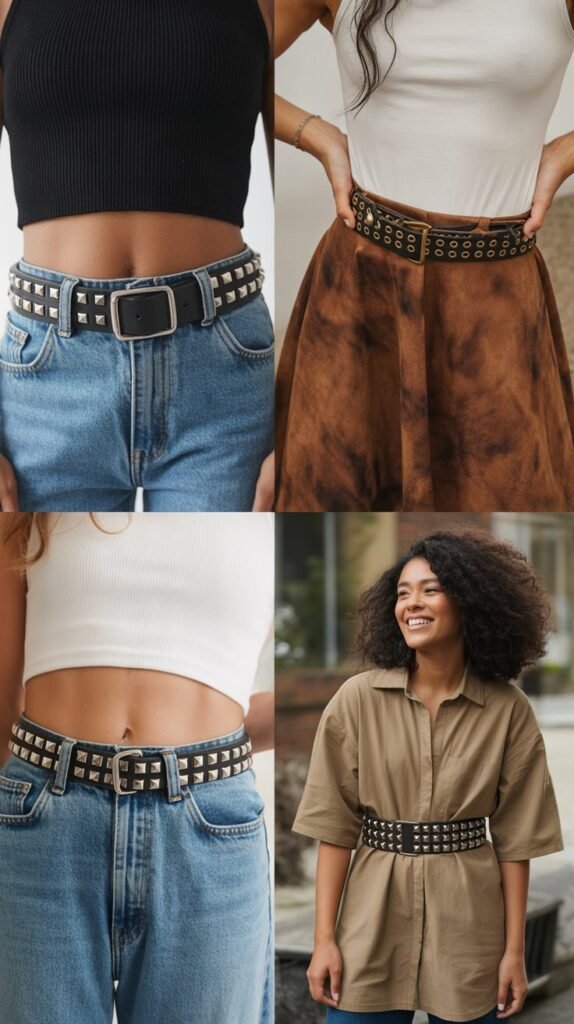
Wide leather belts covered in metal studs brought punk influences into mainstream fashion. These aggressive accessories added edge to otherwise conventional outfits.
- The studs ranged from small pyramids to larger cone shapes, creating different aesthetic effects.
- Wearing these belts with low-rise jeans was most common, positioning them at the hips.
- The hardware often matched other accessories like jewelry and bag details for coordinated looks.
- Different leather colors from classic black to white and colored versions offered variety.
- The trend demonstrated how the early 2000s borrowed from various subcultures and decades.
- Pairing studded belts with feminine pieces created contrasts that felt fresh and unexpected.
25. Halter Tops
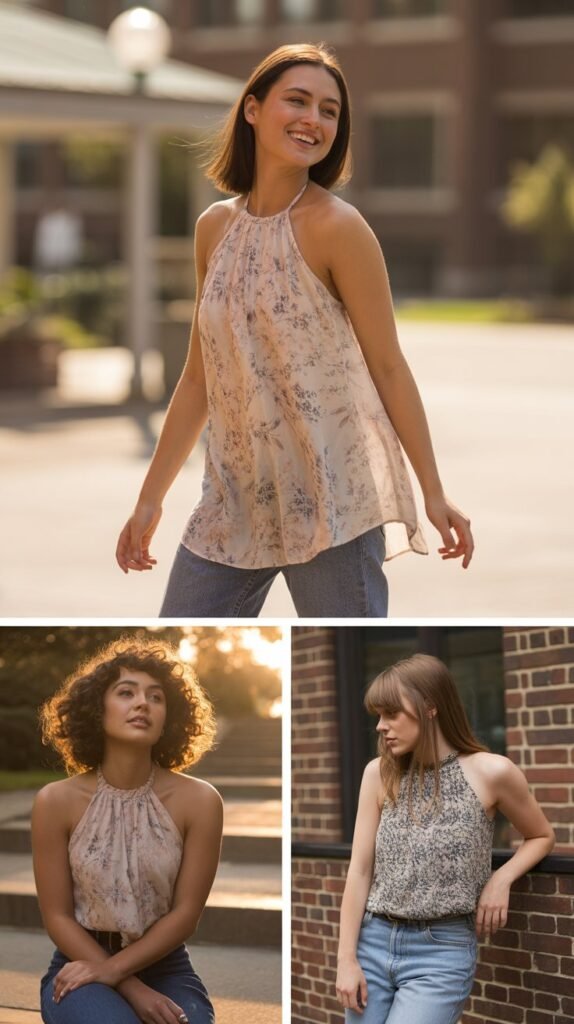
Tops that tied behind the neck while leaving shoulders and backs bare became summer staples and party essentials. These designs emphasized shoulders and collarbones while offering built-in support.
- The tied neck created adjustable fit that accommodated different body types and comfort levels.
- Backless or minimal-back designs made these tops inherently attention-grabbing.
- Materials ranged from casual cotton to dressy satin and sequined fabrics.
- The silhouette worked for both casual daywear and evening occasions depending on fabric and styling.
- Pairing halter tops with low-rise bottoms maximized skin exposure in ways that defined the era.
- The trend represented the decade’s comfort with revealing clothing in mainstream fashion contexts.
26. Matching Tracksuit-Style Separates
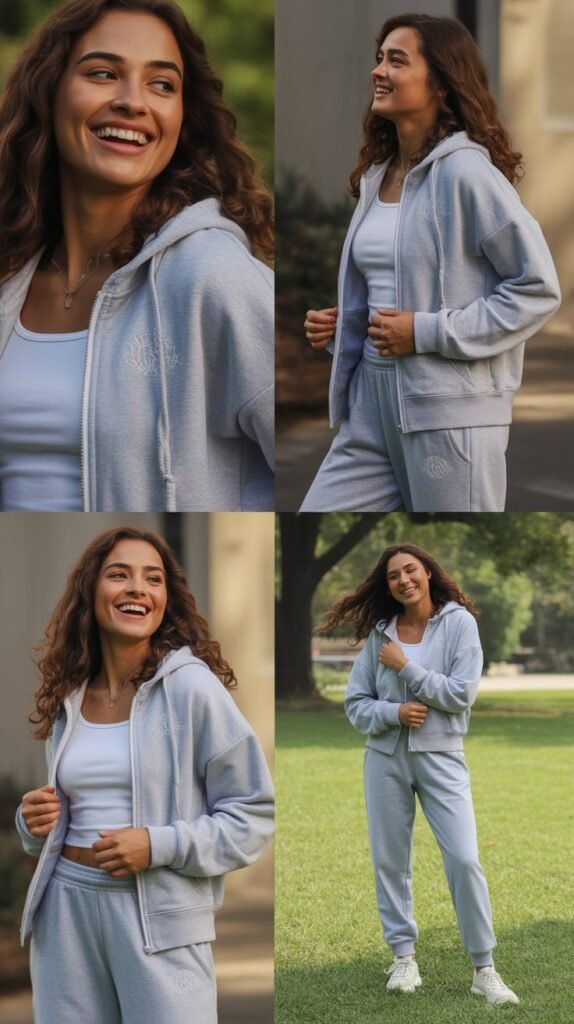
Coordinated athletic-inspired sets beyond velour dominated casual fashion, with matching jackets and pants creating complete looks. These separates brought sportswear aesthetics into everyday wardrobes.
- Materials included nylon, polyester, and cotton blends that were practical and comfortable.
- Contrasting stripe details down the sides added visual interest and emphasized the athletic inspiration.
- Brands stamped logos prominently, making these sets recognizable status symbols.
- The matching nature simplified getting dressed while appearing intentionally styled.
- Colors ranged from classic black and navy to bright pinks, blues, and seasonal shades.
- The trend demonstrated how activewear continued infiltrating non-athletic fashion contexts.
27. Patterned Leg Warmers
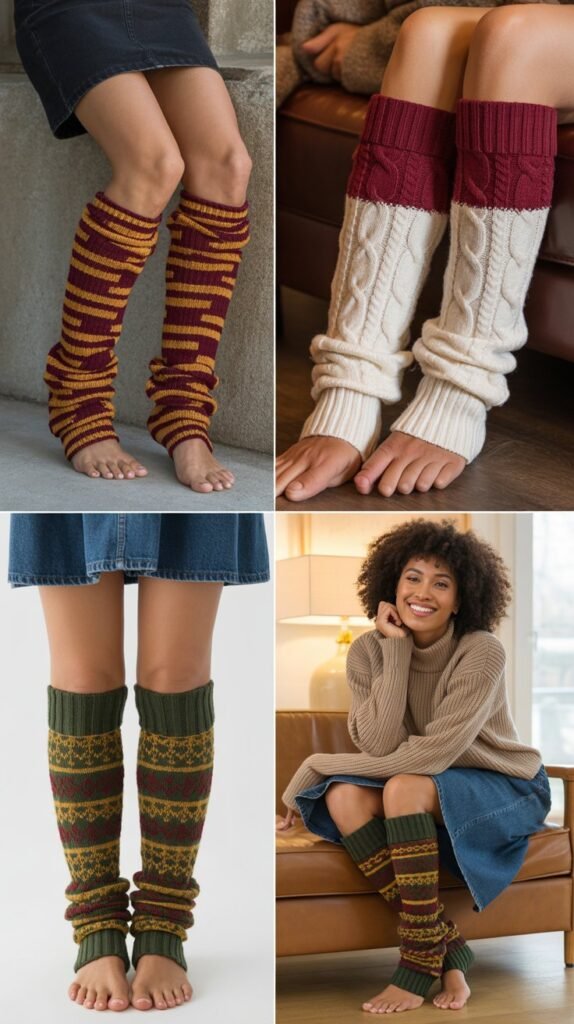
These tube-like accessories worn over pants or with skirts brought dance studio aesthetics to street fashion. The impractical accessories became must-have items purely for their visual impact.
- Materials from knit cotton to fuzzy acrylic offered different textures and warmth levels.
- Wearing them scrunched around ankles or pulled up to knees created different silhouette effects.
- Patterns including stripes, argyle, and fair isle added color and visual interest to lower legs.
- The accessories worked particularly well with mini skirts and shorts, adding coverage without commitment.
- The trend represented the era’s willingness to adopt impractical items for aesthetic purposes.
- Pairing them with heeled boots or sneakers created unexpected combinations that defined Y2K styling.
28. Bubble Skirts
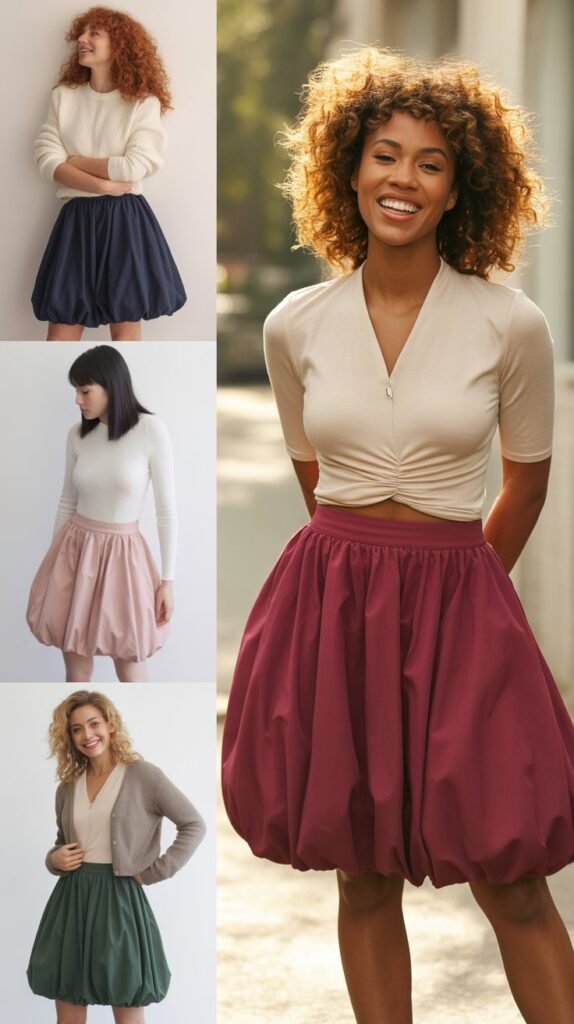
Skirts with gathered, puffy hems that created balloon-like silhouettes brought sculptural elements to lower halves. These architectural pieces made statements through their unusual shapes.
- The gathering typically occurred at the hem, creating volume that emphasized the unique silhouette.
- Materials from taffeta to cotton affected how dramatically the bubble shape held its form.
- Length variations from mini to knee-length offered different styling possibilities.
- Pairing these voluminous bottoms with fitted tops balanced proportions effectively.
- The trend reflected the era’s embrace of exaggerated silhouettes and unconventional shapes.
- Colors ranged from classic black to metallics and bright jewel tones that emphasized the sculptural nature.
29. Oversized Belts Over Tops
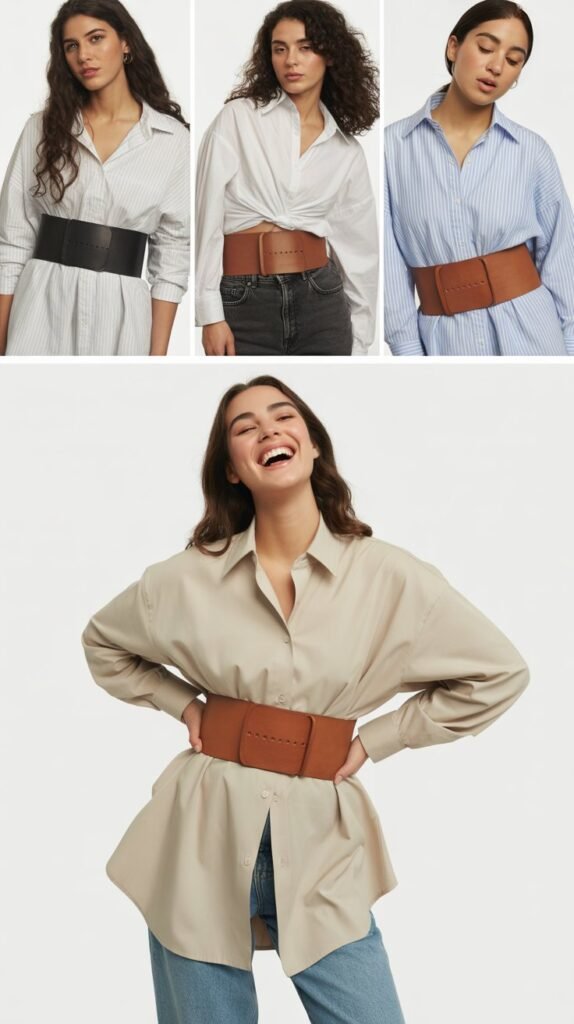
Wide belts worn over shirts, dresses, and cardigans created cinched waistlines where garments had none. This styling technique transformed shapes and added visual interest to simple pieces.
- The belts were significantly wider than traditional versions, often three to five inches across.
- Wearing them over loose tops created definition and shape where garments were previously shapeless.
- Materials included leather, patent leather, and elastic, each creating different aesthetic effects.
- Large buckles or embellishments added decorative elements that became focal points.
- The trend allowed people to modify existing clothing rather than purchasing new fitted pieces.
- This styling demonstrated the era’s creativity in reimagining how traditional accessories could be used.
30. Ripped and Distressed Jeans
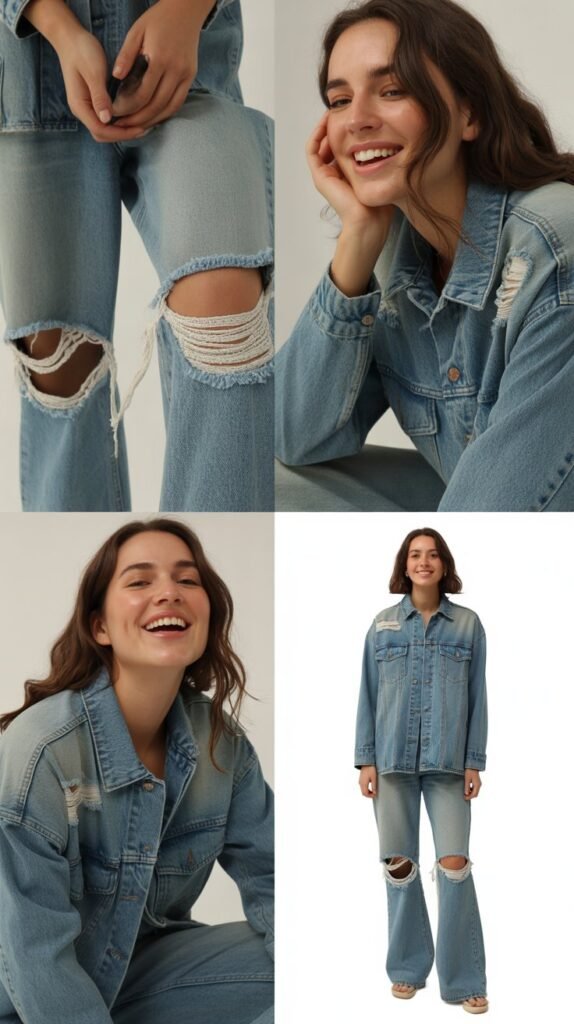
Deliberate tears, holes, and fraying transformed denim into edgy statement pieces. These strategically damaged jeans cost premium prices despite appearing worn out.
- Rips typically appeared at the knees, thighs, and pockets for maximum visual impact.
- Frayed hems prevented pants from appearing too polished, maintaining the distressed aesthetic.
- Different levels of distressing from subtle to extreme allowed people to choose their comfort level.
- Pre-distressed jeans made this look accessible without requiring DIY skills or actual wear time.
- Pairing destroyed denim with polished tops created intentional contrasts that felt fashion-forward.
- The trend represented rebellion against perfection and embrace of lived-in aesthetics.
31. Arm Warmers and Fingerless Gloves
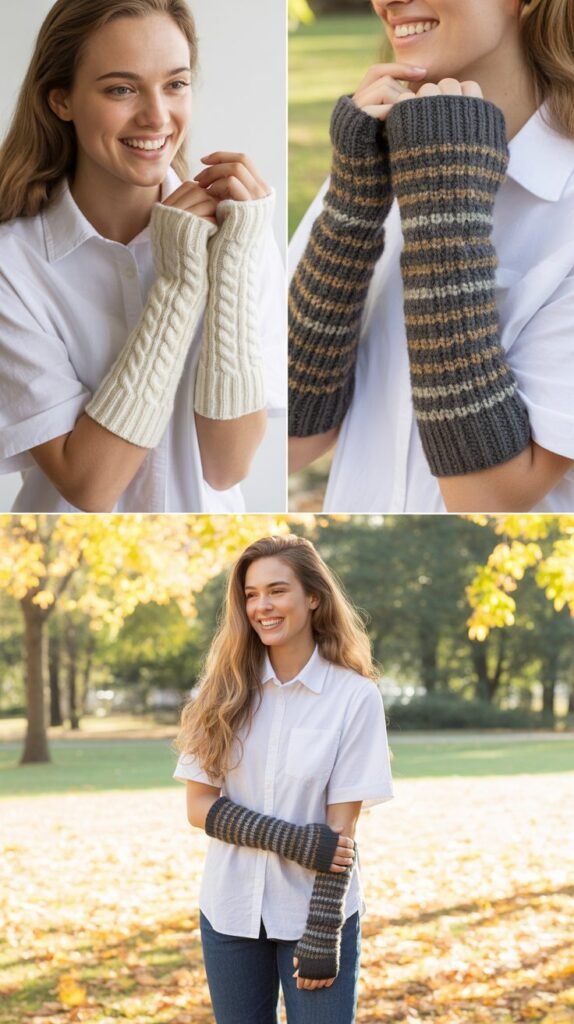
Partial hand coverage through fingerless gloves and arm warmers brought punk and gothic influences into mainstream fashion. These accessories provided minimal functionality but maximum style impact.
- Materials ranged from fishnet to knit, lace, and leather, each creating different aesthetic associations.
- Wearing them indoors and year-round proved these were purely fashion choices rather than practical ones.
- The accessories worked particularly well with tank tops and short sleeves, covering otherwise bare arms.
- Patterns and textures from stripes to skulls allowed for personality expression through small accessories.
- The trend demonstrated how the early 2000s borrowed freely from alternative fashion subcultures.
- Pairing them with mainstream outfits created interesting juxtapositions that defined the era’s eclectic approach.
32. Baby Tees
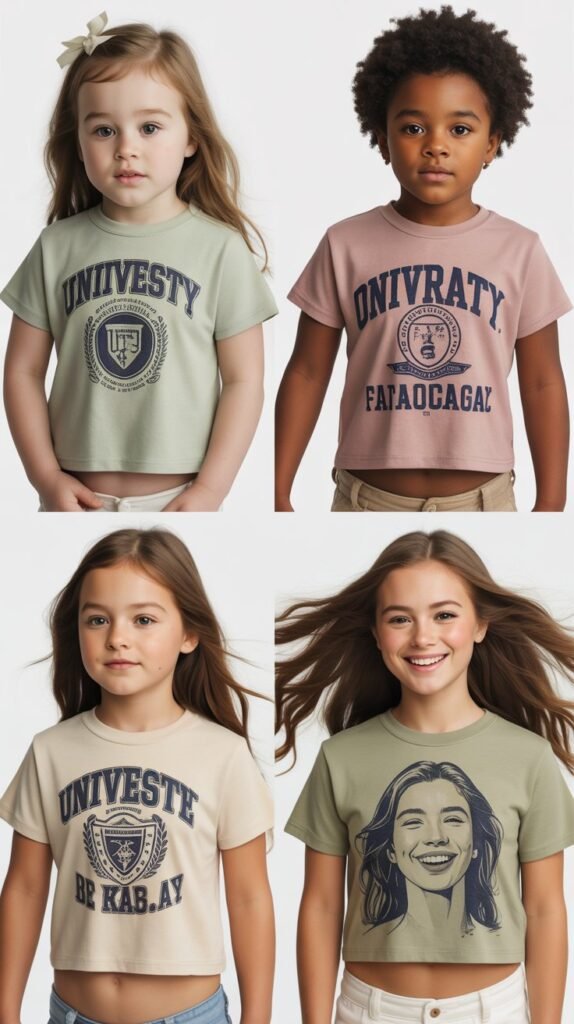
Tight-fitting t-shirts with short sleeves and cropped lengths became wardrobe staples that emphasized fitted silhouettes. These diminutive tops represented a shift toward body-conscious fashion.
- The snug fit contrasted sharply with the oversized grunge aesthetic of the previous decade.
- Cropped lengths typically ended at or above the natural waistline, maximizing midriff exposure.
- Ribbed cotton fabric hugged bodies while remaining comfortable and breathable.
- Slogans, logos, and graphics appeared frequently, making these simple tops conversational pieces.
- Layering them over long-sleeved shirts created dimension while maintaining the fitted aesthetic.
- The trend worked particularly well with the era’s low-rise bottoms, creating cohesive overall silhouettes.
33. Chandelier Earrings
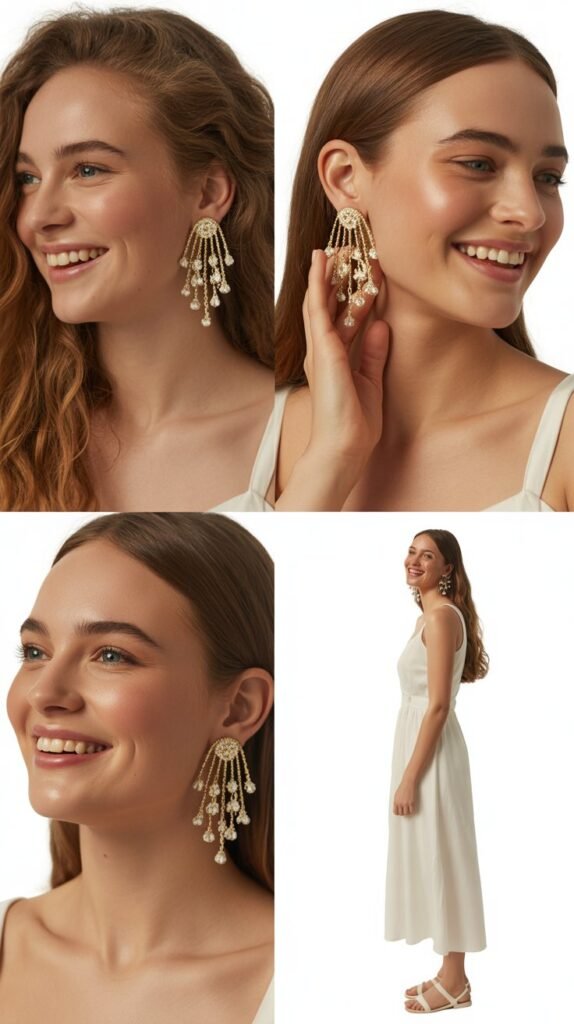
Dramatic, dangling earrings that extended well below the earlobes became statement accessories that required no other jewelry. These eye-catching pieces added instant glamour to any outfit.
- The earrings featured multiple tiers of crystals, beads, or metalwork that created movement.
- Lengths varied from just below the jaw to shoulder-grazing dramatic drops.
- The sparkle factor was high, with rhinestones and crystals catching light from every angle.
- Wearing these statement earrings meant keeping other accessories minimal to avoid overwhelming looks.
- The trend worked for both evening events and dressed-up daytime occasions.
- Different metal finishes from silver to gold to mixed metals allowed coordination with various outfits.
Conclusion
The early 2000s gave us fashion moments that were fearless, experimental, and utterly captivating in their commitment to standing out.
From the plush comfort of velour tracksuits to the sparkle of bedazzled everything, these outfits weren’t just clothing choices—they were declarations of personality, status, and cultural participation.
Looking back at 33 Early 2000s Outfits Everyone Wanted Back Then reminds us of a time when fashion took risks, embraced extremes, and made no apologies for being exactly what it was.
Whether you’re feeling nostalgic for the looks you once wore or discovering these trends for the first time, these outfits represent a distinct moment in fashion history that continues influencing style today.
The low-rise jeans, chunky highlights, and platform shoes weren’t just trends—they were the uniform of a generation that believed more was more, confidence was everything, and fashion should always make a statement.
These iconic looks remind us that great style isn’t about playing it safe; it’s about embracing what makes you feel confident and creating moments that people remember decades later.
