24 Late 90s–Early 2000s Party Outfit Inspo
The late 90s and early 2000s were a golden era of fashion experimentation, where bold choices, playful accessories, and unapologetic self-expression ruled the party scene.
If you’re searching for 24 Late 90s–Early 2000s Party Outfit Inspo, you’ve landed in the right place to rediscover the iconic looks that defined an unforgettable generation.
This article takes you through a comprehensive journey of Y2K fashion essentials—from butterfly clips and velour tracksuits to cargo pants and platform shoes—offering you authentic inspiration to recreate these legendary party styles.
Whether you’re planning a themed event, nostalgic photoshoot, or simply want to infuse your wardrobe with millennium magic, these outfit ideas will transport you back to the era of frosted tips, low-rise jeans, and metallic everything.
Get ready to explore the fashion choices that made club nights, house parties, and music video aesthetics absolutely unforgettable during this revolutionary period in style history.
1. Metallic Mini Dress with Platform Heels
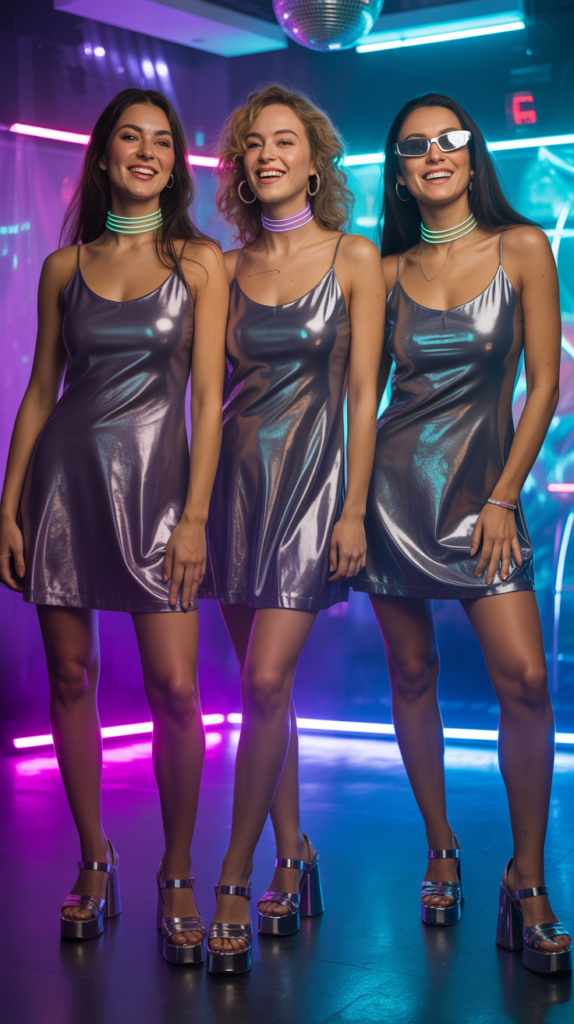
The metallic mini dress became the ultimate party statement piece during the late 90s and early 2000s, embodying the futuristic aesthetic that dominated the millennium celebrations.
This look screamed confidence and captured the Y2K obsession with all things shiny and space-age inspired.
- The metallic mini dress typically featured body-hugging silhouettes in silver, gold, or iridescent fabrics that caught every light on the dance floor.
- Platform heels ranging from 3 to 5 inches added height and drama, often featuring chunky soles in contrasting colors or transparent materials.
- This combination created an elongated silhouette that was both futuristic and feminine, perfect for millennium New Year’s Eve parties.
- Pair the dress with minimal jewelry to let the metallic fabric be the star, or add a choker necklace for authentic Y2K styling.
- Hair was often worn straight and sleek or in high ponytails with face-framing pieces left out for that effortlessly cool vibe.
- The look works best with a small metallic clutch or tiny shoulder bag that doesn’t compete with the outfit’s reflective properties.
2. Low-Rise Jeans with Bedazzled Belt
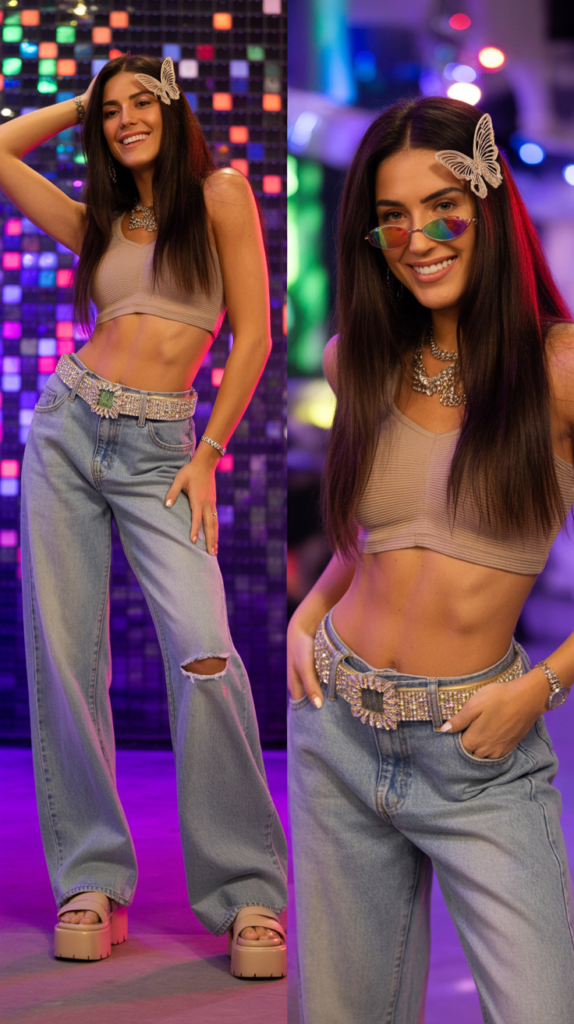
Low-rise jeans defined the denim revolution of the early 2000s, sitting daringly on the hips and changing the silhouette game forever.
When paired with a bedazzled belt, this casual look transformed into party-ready perfection that captured the era’s love for sparkle and skin.
- Low-rise jeans sat 2-3 inches below the natural waistline, creating a longer torso appearance that was revolutionary for the time.
- Bedazzled belts featured rhinestones, crystals, or metal studs arranged in patterns, names, or brand logos that added instant glamour.
- The jeans themselves came in various washes from dark indigo to extremely distressed light blue with strategic rips and fraying.
- Pair these jeans with cropped baby tees, halter tops, or bandeau tops to emphasize the low-rise cut.
- Visible thong straps were often intentionally shown above the waistband as a controversial yet popular styling choice of the era.
- Complete the look with pointed-toe mules or strappy sandals that continued the elongating effect of the low-rise style.
3. Velour Tracksuit in Bold Colors
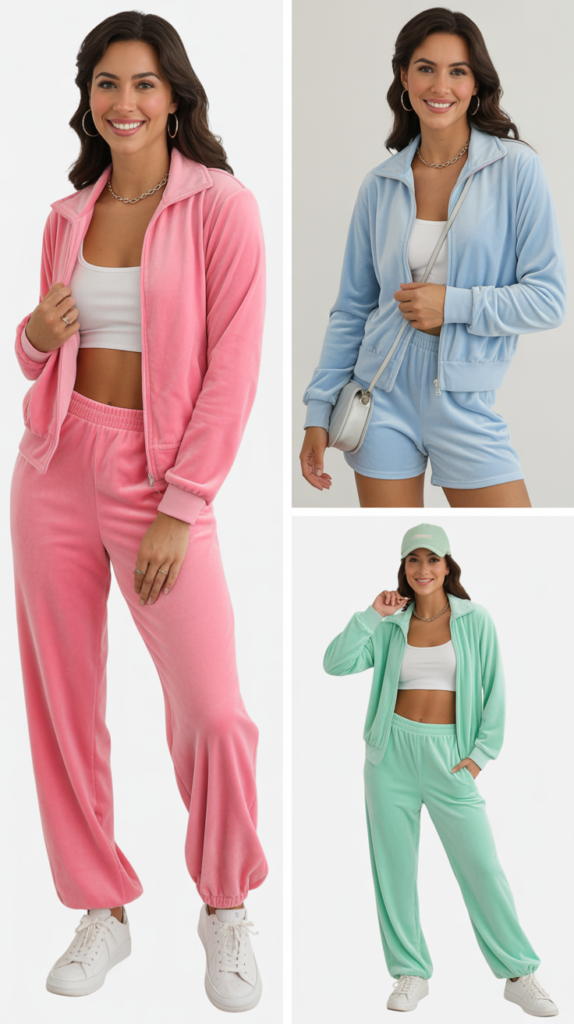
The velour tracksuit became synonymous with early 2000s casual luxury, thanks to celebrities who made loungewear acceptable as party attire.
This comfortable yet stylish ensemble represented the era’s obsession with branded sportswear elevated to fashion statement status.
- Velour tracksuits featured matching zip-up hoodies and pants in luxuriously soft fabric that felt as good as it looked.
- Popular colors included baby pink, powder blue, mint green, and lavender, often with contrasting trim or brand logos down the sides.
- The pants typically had a relaxed fit through the legs with slight flare at the bottom, paired with cropped zip-up jackets.
- Rhinestone embellishments on the back pockets or across the chest added sparkle that made these suitable for casual party settings.
- Pair the tracksuit with white sneakers or low-profile athletic shoes to maintain the sporty-chic aesthetic.
- Accessories included small shoulder bags, hoop earrings, and tinted sunglasses even for evening events.
4. Butterfly Clips and Hair Accessories
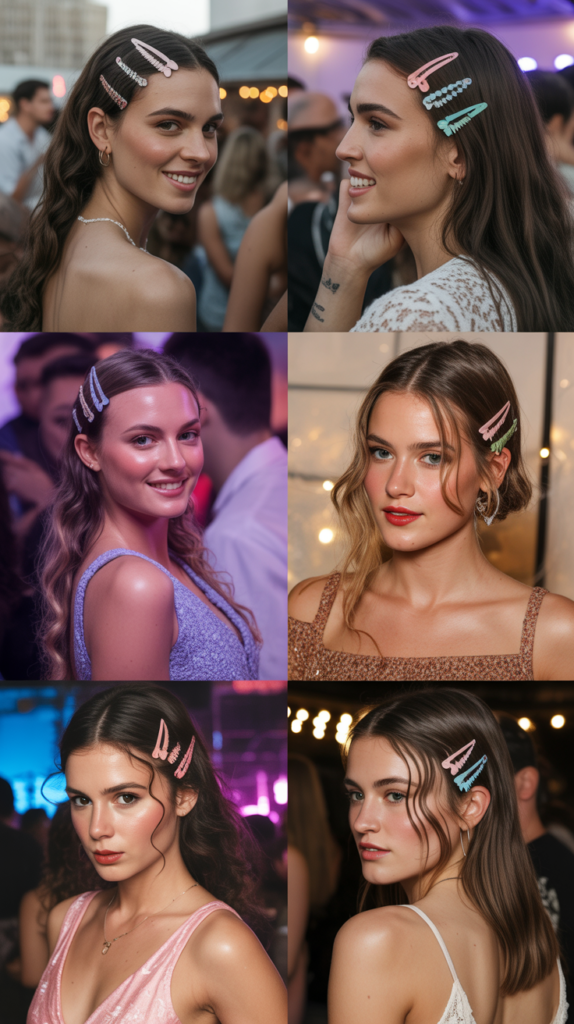
Hair accessories reached peak creativity during the late 90s and early 2000s, with butterfly clips leading the charge as the most iconic adornment.
These playful additions transformed simple hairstyles into party-ready statements that captured youthful energy and whimsical fashion sensibilities.
- Butterfly clips came in various sizes from tiny to large, often used in multiples scattered throughout updos or along the hairline.
- The clips featured metallic finishes, glitter coatings, or translucent materials that caught light and added dimension to hairstyles.
- Popular styling included zigzag parts created with rattail combs, half-up styles, and face-framing pieces left strategically loose.
- Other accessories of the era included thin headbands, claw clips, and stretchy chokers that doubled as hair ties.
- Hair was often crimped, straightened to extreme smoothness, or styled in chunky highlights that contrasted dramatically with base colors.
- The overall effect was playful and youthful, perfect for house parties and club nights where fun trumped sophistication.
5. Cargo Pants with Crop Top
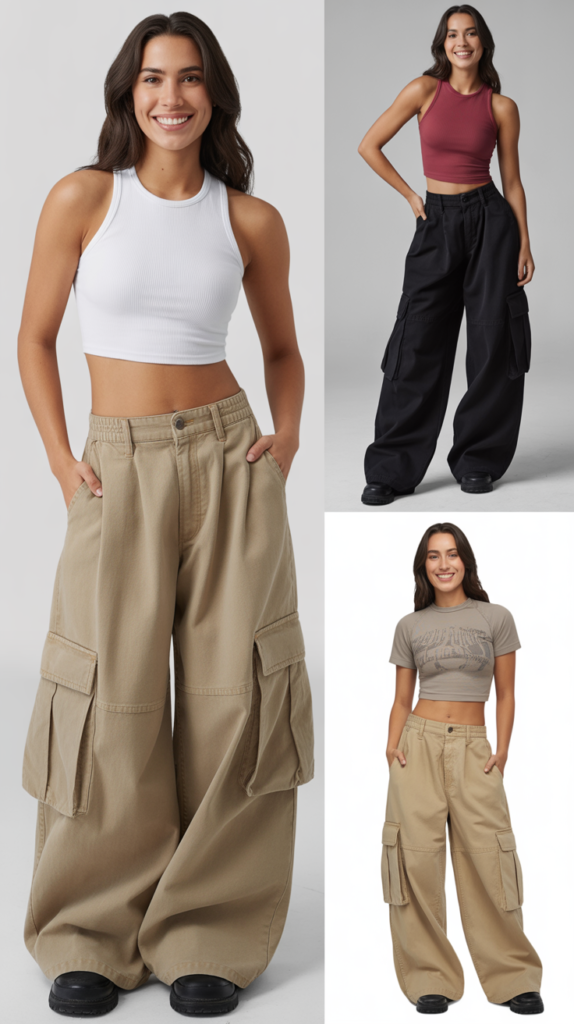
Cargo pants brought utilitarian aesthetics into mainstream party fashion, offering a comfortable alternative to restrictive club wear while maintaining street-style credibility.
When paired with crop tops, they created a balanced silhouette that was both practical and provocative.
- Cargo pants featured multiple oversized pockets on the thighs and often came in neutral colors like khaki, olive green, or black.
- The fit was deliberately oversized and relaxed, sitting low on the hips and pooling slightly over shoes for maximum casual effect.
- Crop tops came in various styles including ribbed tank tops, spaghetti strap camisoles, and logo-emblazoned tees cut short.
- This combination created a masculine-feminine balance that was central to early 2000s fashion philosophy.
- Chain belts or studded belts added extra edge to the cargo pants while emphasizing the low-rise waistline.
- Sneakers or combat boots completed the look, making it perfect for concerts, raves, and casual party environments.
6. Tube Top with Denim Skirt
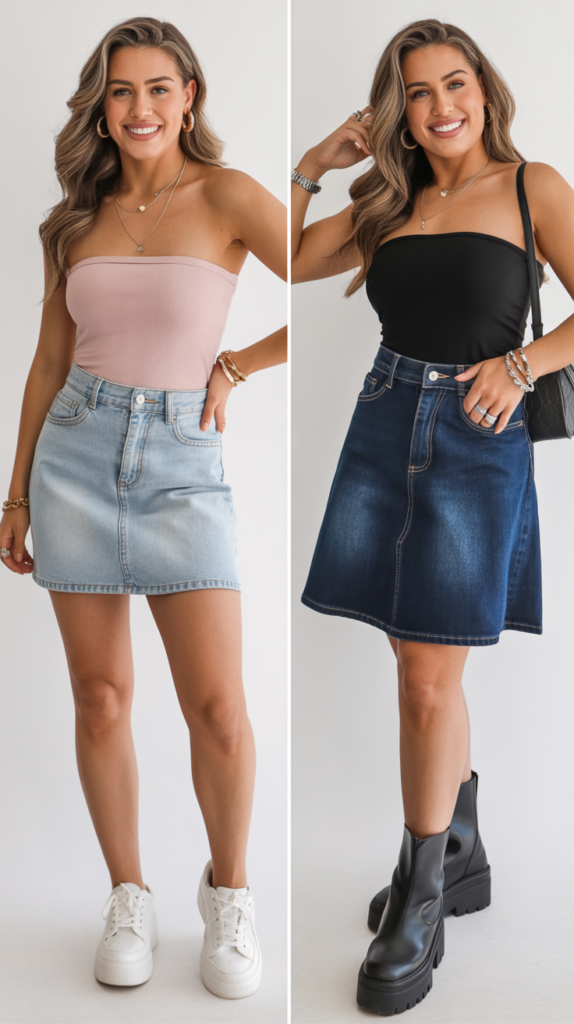
The tube top represented minimalist dressing at its most daring, requiring confidence and the right foundation garments to pull off successfully.
Paired with a denim skirt, this combination became a party uniform that balanced simplicity with sex appeal.
- Tube tops were strapless bandeau-style tops that relied on elastic bands or internal grips to stay in place throughout dancing.
- They came in solid colors, patterns, or metallic fabrics, often featuring ruching or ribbed textures for added visual interest.
- Denim skirts ranged from ultra-mini to knee-length, typically featuring button-front closures and distressed detailing.
- The skirts often had raw or frayed hems that added to the casual-yet-intentional aesthetic of the era.
- Layering was minimal with this look, allowing skin and silhouette to be the primary focus at warm-weather parties.
- Accessories included delicate necklaces, small hoop earrings, and strappy heels or platform sandals that elongated the legs.
7. Shiny Vinyl Pants
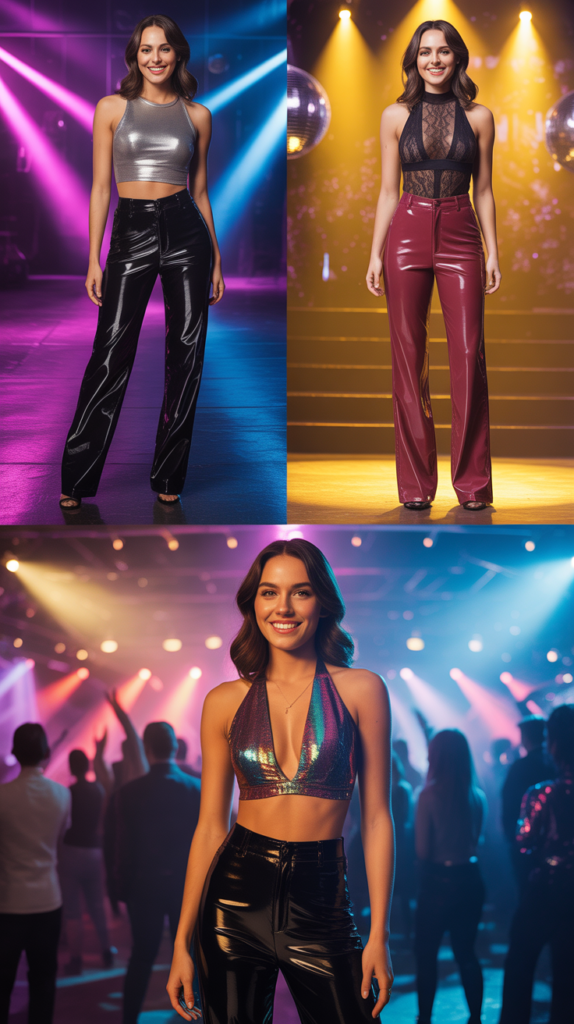
Vinyl and PVC pants brought a rebellious edge to party fashion, offering a wet-look finish that was both provocative and futuristic.
These statement pieces required commitment and confidence but delivered maximum impact on the dance floor.
- Vinyl pants featured high-shine finishes in black, red, or metallic colors that reflected light dramatically in club environments.
- The material was form-fitting and unforgiving, requiring careful undergarment choices and confidence in body acceptance.
- Styling typically involved pairing the bold bottoms with simpler tops to avoid overwhelming the overall look.
- Popular top choices included mesh shirts, halter tops, or simple tank tops that let the pants be the focal point.
- The material’s distinctive sound when walking became part of the appeal, announcing arrival with every step.
- These pants were typically reserved for nightclub settings where the lighting and atmosphere complemented their theatrical nature.
8. Mesh Overlay Everything
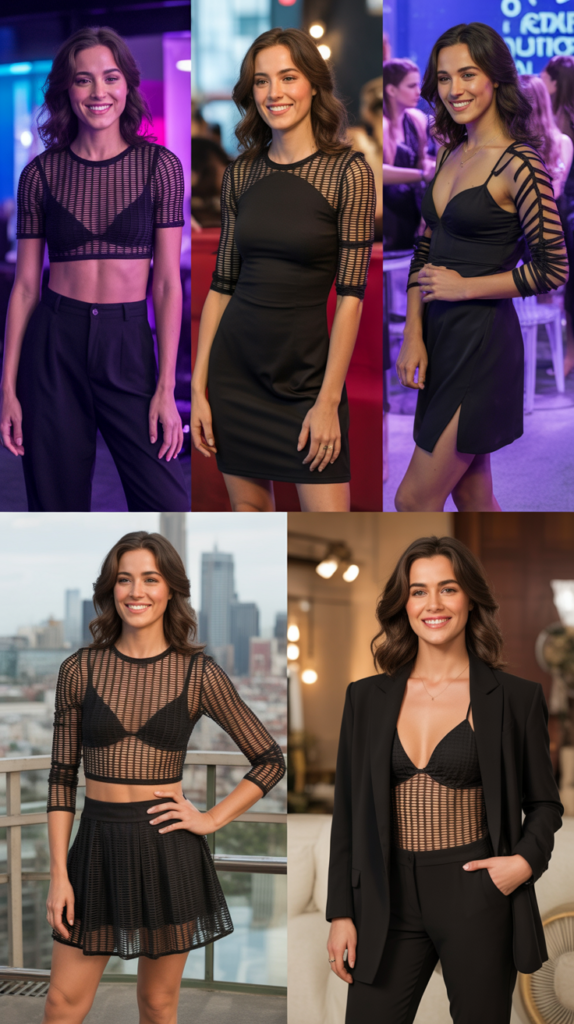
Mesh fabric became the layering secret weapon of late 90s and early 2000s party fashion, adding texture and subtle revelation without full exposure.
This sheer material appeared on everything from shirts to skirts, creating depth and visual interest.
- Mesh tops were worn over colorful bras or camis, creating a peek-a-boo effect that felt edgy yet controlled.
- The material came in various patterns including fishnet, geometric grids, and sparkle-embedded varieties for extra glamour.
- Long-sleeve mesh tops under spaghetti strap dresses created popular layered looks that added coverage while maintaining sex appeal.
- Mesh could appear as panels in otherwise solid garments, strategically placed on sides, backs, or sleeves.
- The see-through quality required thoughtful styling of undergarments which became part of the overall aesthetic presentation.
- This trend worked across various party settings from raves to more upscale club environments depending on styling choices.
9. Chunky Highlights and Frosted Tips
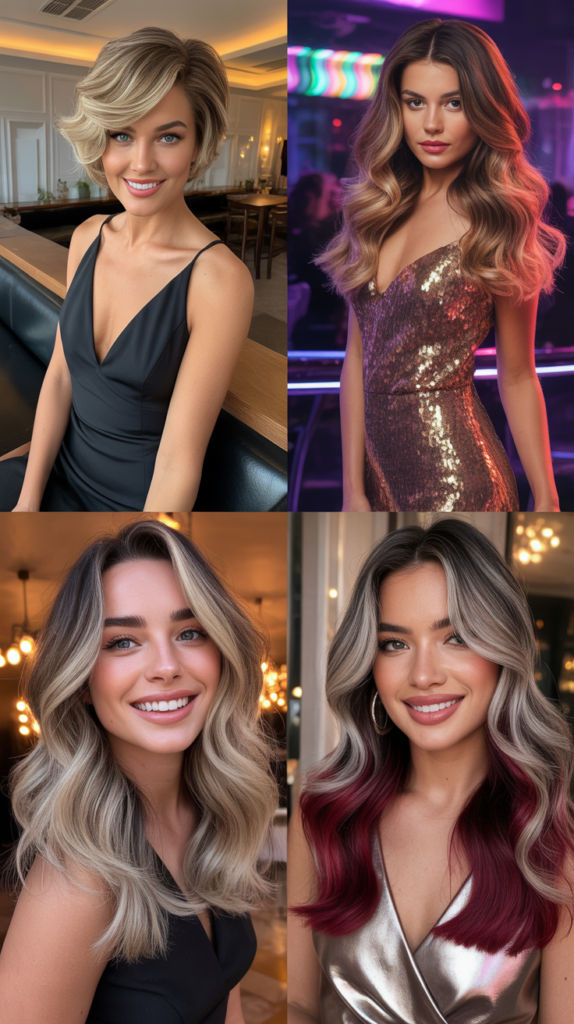
Hair color became as much a part of the party outfit as clothing choices, with chunky highlights and frosted tips defining the era’s beauty aesthetic.
These bold color choices required maintenance but signaled commitment to the Y2K lifestyle.
- Chunky highlights featured thick, contrasting streaks that were dramatically different from the base color rather than subtle blending.
- Popular combinations included platinum blonde chunks in dark brown hair or bold red sections in black hair.
- Frosted tips involved bleaching just the ends of hair, particularly popular on short spiky styles and long layered cuts.
- The coloring techniques were intentionally stark and visible, rejecting the natural-looking highlights of previous decades.
- Maintenance required regular toning to prevent brassiness, especially for platinum and silver tones.
- These hair choices complemented the bold fashion statements of the era, creating cohesive looks that screamed Y2K confidence.
10. Rhinestone Everything
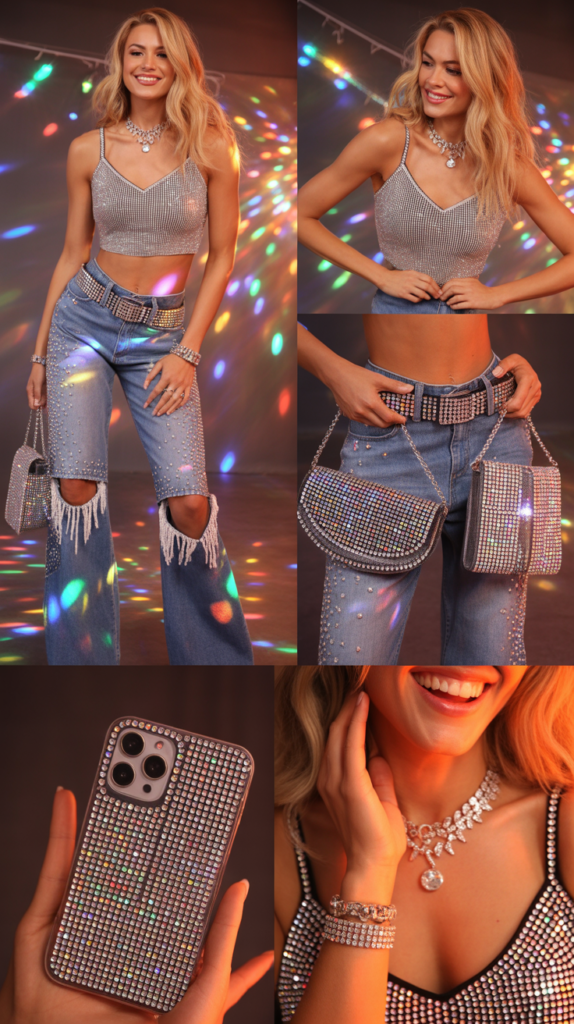
Rhinestones transformed ordinary items into party-ready accessories during the early 2000s, with sparkle applied to everything from jeans to phones.
This embellishment trend reflected the era’s maximalist approach to glamour and the belief that more sparkle equaled better style.
- Rhinestones appeared on denim pockets, phone cases, purse straps, and even spelled out words across clothing.
- Application techniques ranged from professional heat-set crystals to DIY glue-on versions that inevitably shed throughout the night.
- Popular rhinestone patterns included stars, butterflies, tribal designs, and personalized names or phrases.
- The embellishments caught club lighting beautifully, creating moving sparkle points that enhanced dance floor presence.
- Matching sets were common, with coordinated rhinestone patterns appearing on multiple items within a single outfit.
- This trend extended beyond clothing to accessories like hair clips, belts, and even temporary body jewelry.
11. Baby Tee with Logo Branding
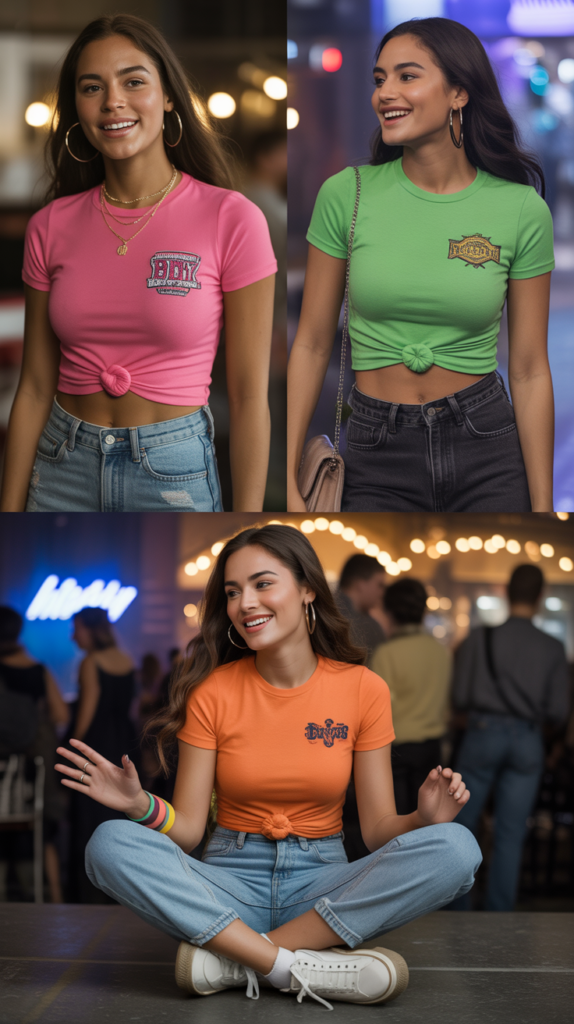
The baby tee revolutionized t-shirt styling by introducing cropped, fitted silhouettes that replaced the oversized grunge aesthetic.
Logo branding made these simple tops status symbols, with visible brand names becoming as important as the garment itself.
- Baby tees featured shortened hemlines that hit just above or at the natural waistline, creating midriff exposure when paired with low-rise bottoms.
- The shirts had snug, feminine fits with shorter cap sleeves or thin spaghetti straps that emphasized delicate proportions.
- Brand logos appeared prominently across the chest, with designer names, sports brands, and pop culture references equally popular.
- Popular colors included baby pink, powder blue, white, and lavender, often in ribbed cotton material.
- Layering baby tees over long-sleeve mesh shirts or under zip-up hoodies created depth while maintaining the cropped silhouette.
- These versatile tops worked for various party settings from casual house parties to more dressed-up club environments.
12. Platform Flip Flops and Sandals
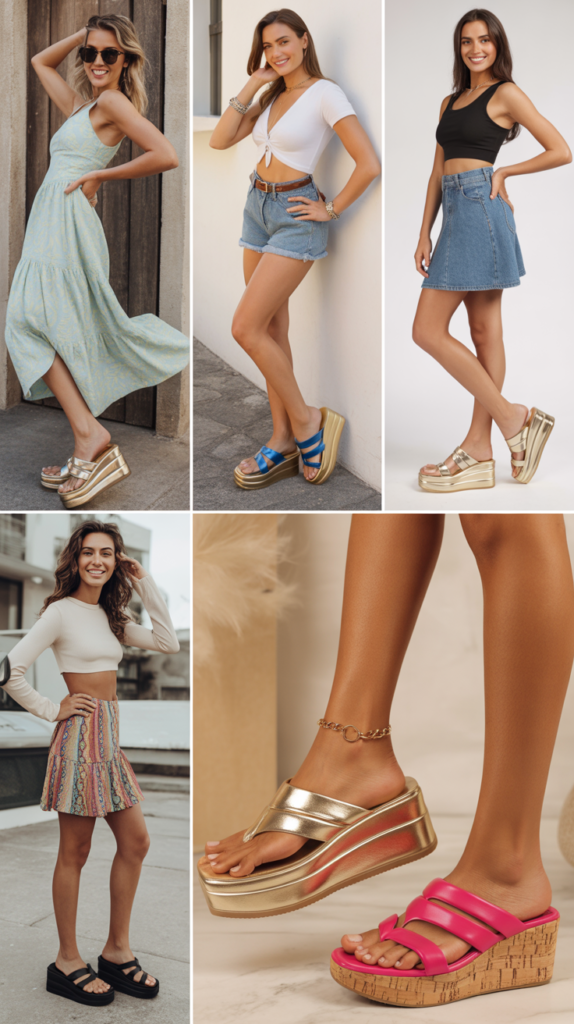
Platform footwear reached new heights during the early 2000s, with even casual flip flops and sandals getting elevated soles.
This trend made height-boosting footwear accessible for all occasions, from poolside parties to beach bonfires.
- Platform flip flops featured foam or rubber soles ranging from 2 to 4 inches in height, often in coordinating colors with the straps.
- Sandals came with chunky heels, flatform soles, or wedge bottoms, all emphasizing maximum height gain.
- Materials included plastic, rubber, cork, and even clear acrylic for that futuristic Y2K aesthetic.
- Embellishments like rhinestones, flowers, or metallic accents transformed simple sandals into statement footwear.
- The platforms made even casual outfits feel more dressed-up and party-appropriate while maintaining comfort.
- These shoes paired perfectly with everything from cargo pants to mini skirts, proving versatile across various party styles.
13. Handkerchief Hem Skirts and Tops
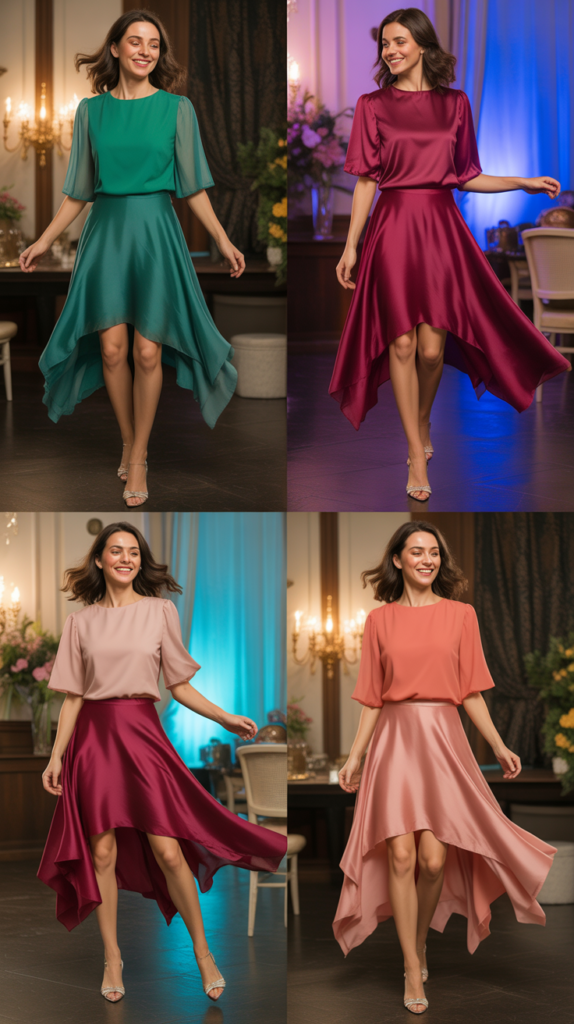
The handkerchief hem introduced asymmetrical cutting to mainstream party fashion, creating movement and visual interest through uneven hemlines.
This bohemian-inspired detail added femininity to the era’s often angular and structured aesthetics.
- Handkerchief hems featured pointed corners that hung at varying lengths, creating a flowing, fairy-like effect when moving.
- Skirts with this detail often came in lightweight fabrics like chiffon, jersey, or satin that emphasized the flowing movement.
- Tops incorporated the handkerchief hem on shirt bottoms or as cascading sleeve details that added romantic touches.
- The asymmetrical nature of these garments created flattering diagonal lines that drew the eye and elongated proportions.
- Popular colors included jewel tones, pastels, and prints from florals to abstract patterns.
- This style worked particularly well for outdoor parties, festivals, and summer evening events where movement and breeze enhanced the effect.
14. Tinted Sunglasses
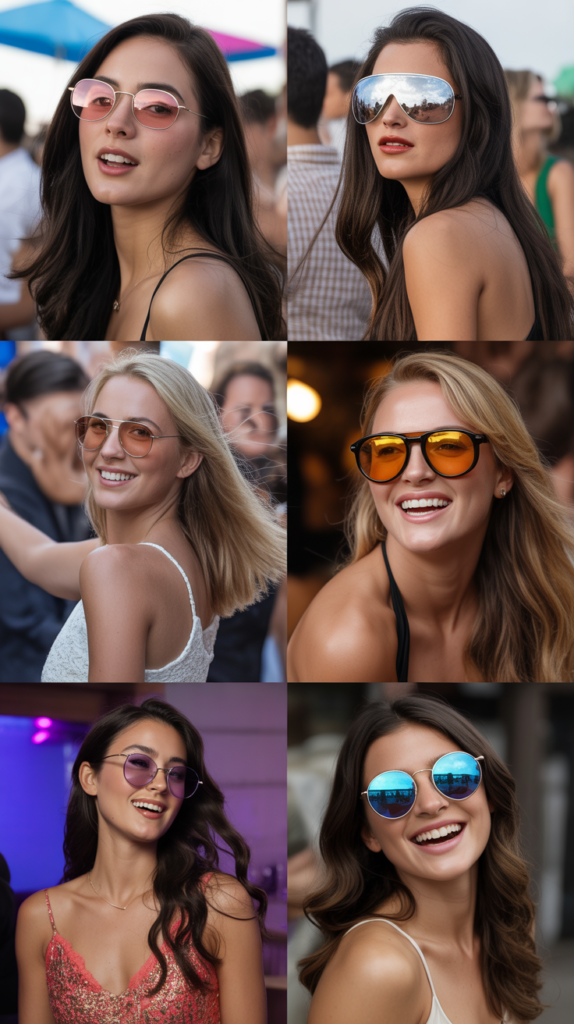
Tinted sunglasses became indoor accessories during the late 90s and early 2000s, worn at night in clubs and at parties for pure aesthetic effect.
Colored lenses transformed faces into futuristic visions while adding mystery and celebrity appeal to everyday partygoers.
- Tiny oval or rectangular frames with colored lenses in pink, blue, yellow, or orange became signature accessories of the era.
- Wraparound styles with reflective lenses created a sporty-futuristic look popular in rave and electronic music scenes.
- The sunglasses were worn indoors as fashion statements rather than for sun protection, especially in dimly lit clubs.
- Frame materials included thin metal, colorful plastic, and even rimless designs that emphasized the lens tint.
- Celebrities wearing similar styles in music videos cemented these sunglasses as must-have party accessories.
- The trend extended to gradient lenses and even prescription eyewear that incorporated the same aesthetic principles.
15. Furry Bucket Hats and Accessories
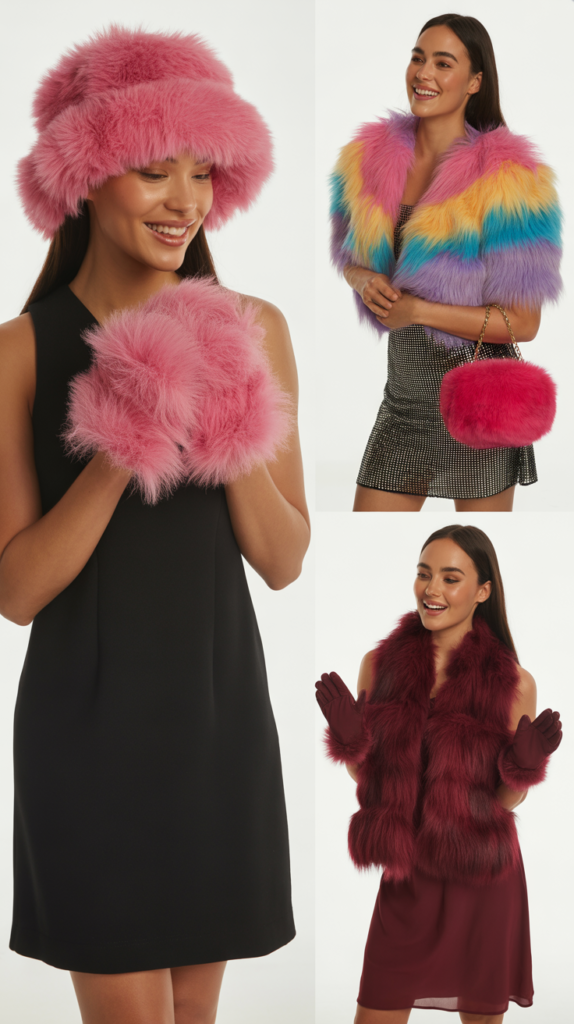
Fuzzy textures invaded accessories through furry bucket hats and trim details that added tactile dimension to outfits.
This playful trend brought softness to the era’s often hard-edged aesthetics while maintaining the fun, experimental spirit of Y2K fashion.
- Bucket hats came covered entirely in synthetic fur in colors from natural tones to bright pink, purple, and blue.
- The hats typically featured downward-sloping brims that framed the face while maintaining the casual, approachable vibe.
- Matching furry accessories included small shoulder bags, wrist cuffs, and even fur-trimmed phone cases.
- The texture contrast worked particularly well against smooth fabrics like vinyl, satin, and jersey.
- These accessories appeared frequently in hip-hop influenced fashion circles and at outdoor music festivals.
- Maintenance was minimal as the synthetic materials were designed for durability rather than realistic fur appearance.
16. Capri Pants Craze
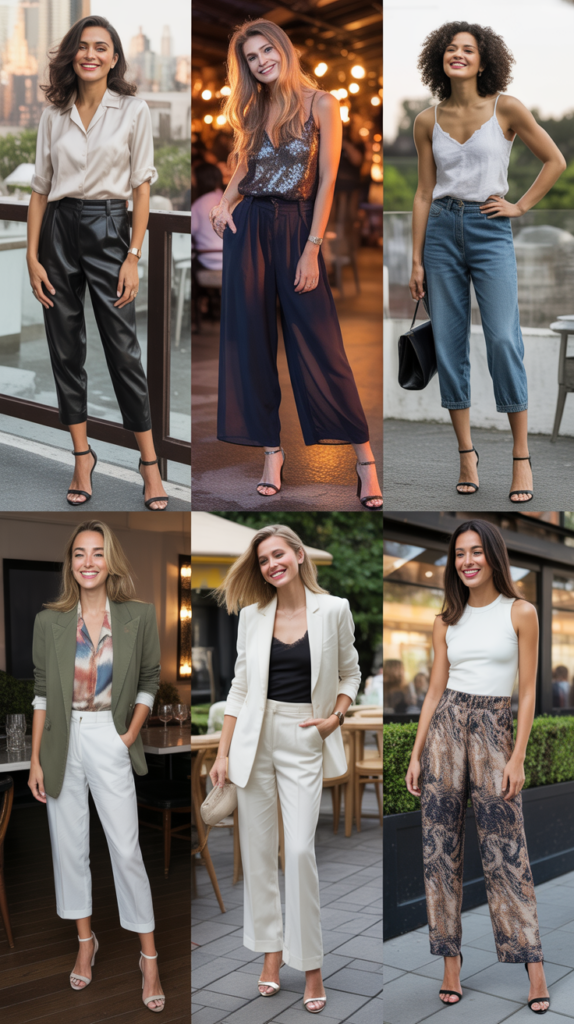
Capri pants revolutionized the middle ground between shorts and full-length pants, offering a fresh silhouette that dominated warm-weather party fashion.
These cropped pants created unique styling opportunities while maintaining more coverage than mini skirts or shorts.
- Capri pants hit at mid-calf length, typically ending at the widest part of the calf for a deliberately awkward proportion that became fashionable.
- Materials ranged from stretchy denim and cargo cotton to dressy fabrics like satin and even sequined materials.
- The pants often featured side slits at the hem, button details, or decorative ribbons that added feminine touches.
- Styling involved pairing capris with heeled sandals or mules that elongated the shortened leg line.
- Popular colors included black, khaki, white, and bright hues like coral and turquoise.
- This style bridged casual and dressy settings, working for rooftop parties, beach gatherings, and summer evening events.
17. Sequin and Glitter Tops
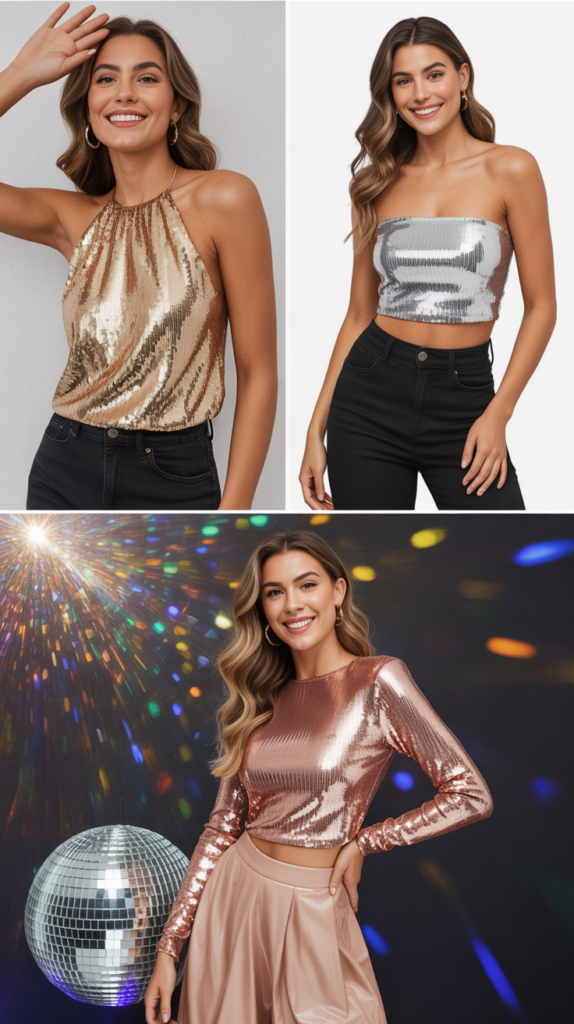
Sparkle reached maximum intensity through sequin and glitter-covered tops that turned wearers into human disco balls.
These attention-grabbing pieces captured light from every angle, ensuring maximum visibility on crowded dance floors.
- Sequin tops came fully covered in overlapping paillettes that created scales of shimmer in silver, gold, or colorful tones.
- Glitter tops featured embedded sparkle particles in the fabric itself, creating all-over shine without the texture of sequins.
- Popular styles included halter necks, tube tops, and long-sleeve fitted shirts that turned basic silhouettes into statement pieces.
- The tops required minimal accessorizing as the sparkle provided all the visual interest needed for party-ready looks.
- Sequin shedding was expected and accepted as part of wearing these glamorous pieces to dance-heavy events.
- Pairing sparkle tops with simple bottoms like black pants or denim skirts created balance while letting the top shine.
18. Choker Necklaces in Every Material
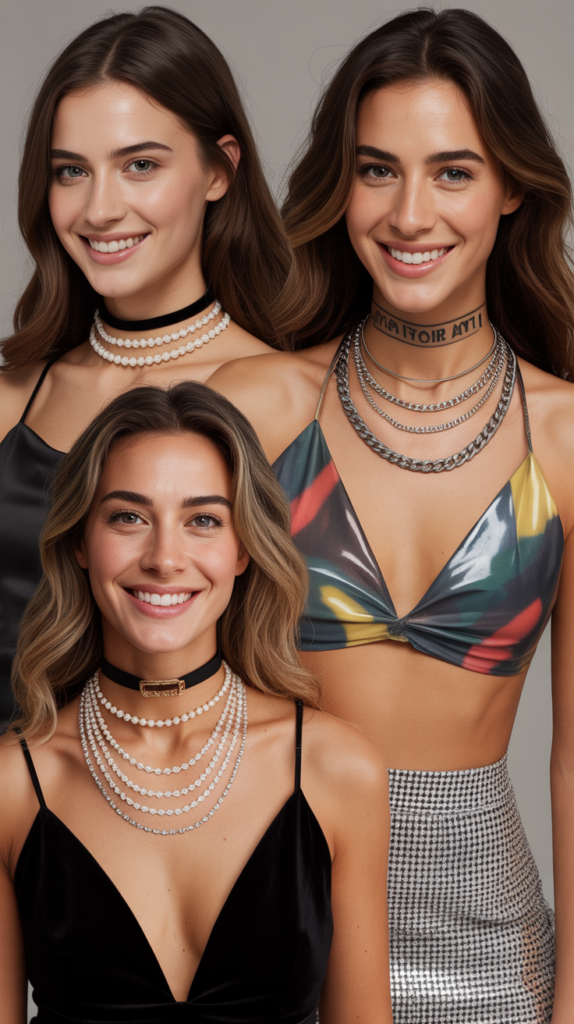
Chokers dominated neck accessories throughout the late 90s and early 2000s, appearing in materials from velvet ribbon to plastic tattoo designs.
This close-fitting jewelry style added edge to any outfit while creating visual breaks that shortened the neck in a fashion-forward way.
- Velvet chokers in black or jewel tones featured pendant attachments or remained simple for minimalist appeal.
- Stretchy plastic tattoo chokers created intricate lace-like patterns around the neck in black or colored variations.
- Metal chokers ranged from delicate chains to thick collar-style pieces with spikes or geometric designs.
- Beaded chokers allowed for color customization and often featured names, words, or patterns spelled out in letter beads.
- Layering multiple chokers became common practice, mixing different materials and widths for personalized styling.
- The accessories paired with everything from casual tees to formal dresses, making them versatile party staples.
19. Contrast Stitching Denim
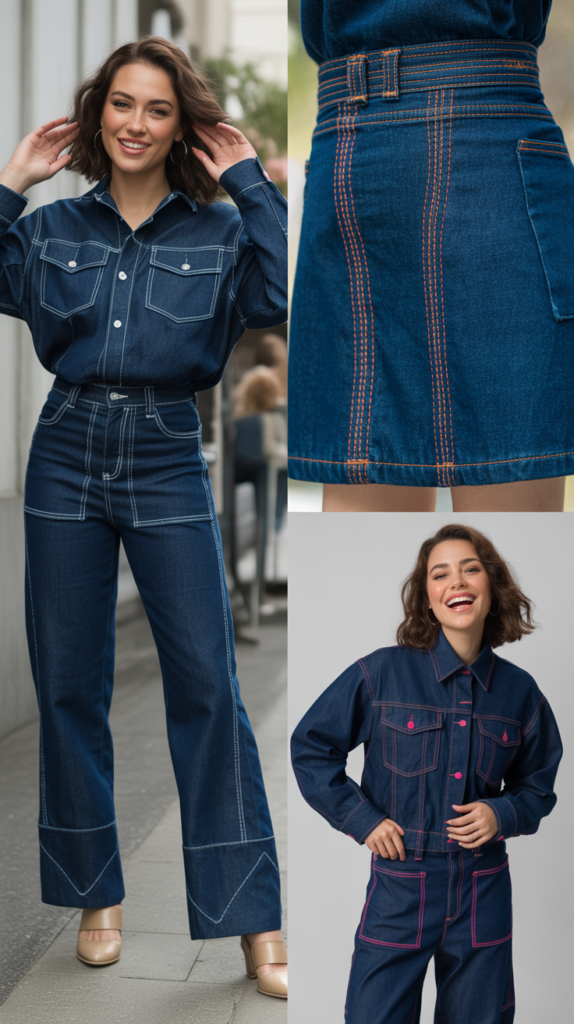
Denim evolved beyond traditional blue through contrast stitching that highlighted seams and pockets in dramatically different thread colors.
This detail-oriented trend showcased the construction of jeans while adding decorative elements that elevated simple denim to statement pieces.
- White stitching on dark denim created the most classic contrast, highlighting pocket shapes and seam lines.
- Bold thread colors like hot pink, orange, and lime green appeared on lighter wash jeans for maximum visual pop.
- The stitching drew attention to specific design details like cargo pockets, back pocket shapes, and waistband construction.
- Some designs featured elaborate topstitching patterns that created decorative swirls or geometric designs beyond functional seams.
- This trend appeared on jeans, jean jackets, denim skirts, and even denim accessories like purses and hats.
- The contrast stitching worked particularly well under club lighting where the threads caught and reflected colored lights.
20. Wrap Tops and Tie Details
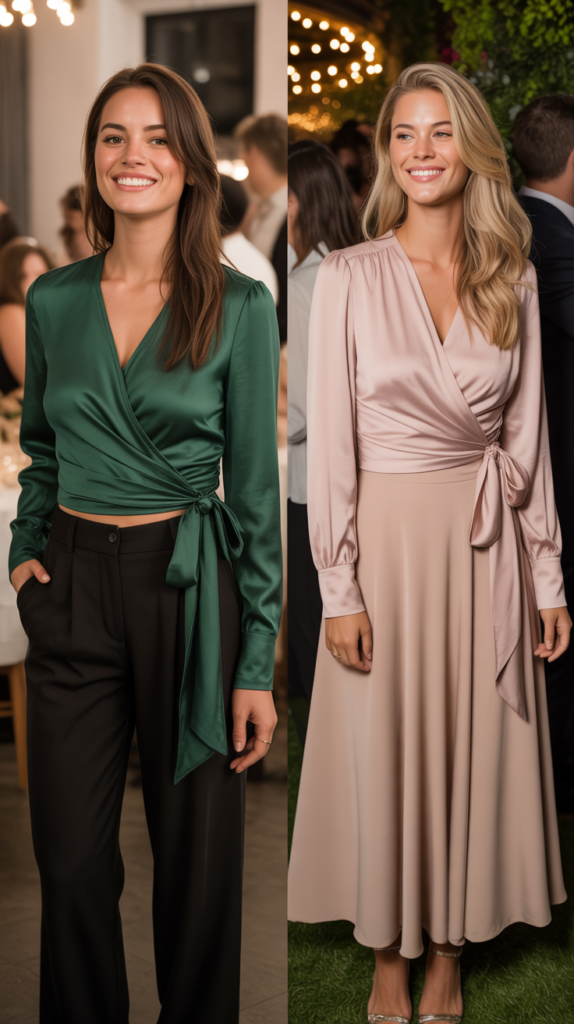
Wrap tops introduced adjustable, customizable fits through tie closures that created different looks depending on how tightly they were secured.
This versatile style offered both coverage and revelation options, making it adaptable for various party comfort levels.
- Wrap tops featured overlapping front panels secured with attached ties at the side, back, or front.
- The adjustable nature allowed wearers to control how much midriff or cleavage to reveal based on personal preference.
- Materials ranged from cotton jersey for casual looks to satin and silk-like fabrics for dressier occasions.
- Popular styles included ballet-inspired wrap tops, halter wraps, and long-sleeve wrap designs.
- The ties themselves became decorative elements, left long to dangle or tied into elaborate bows.
- This style flattered various body types through its adjustable fit and worked across multiple party settings.
21. Athletic-Inspired Stripes
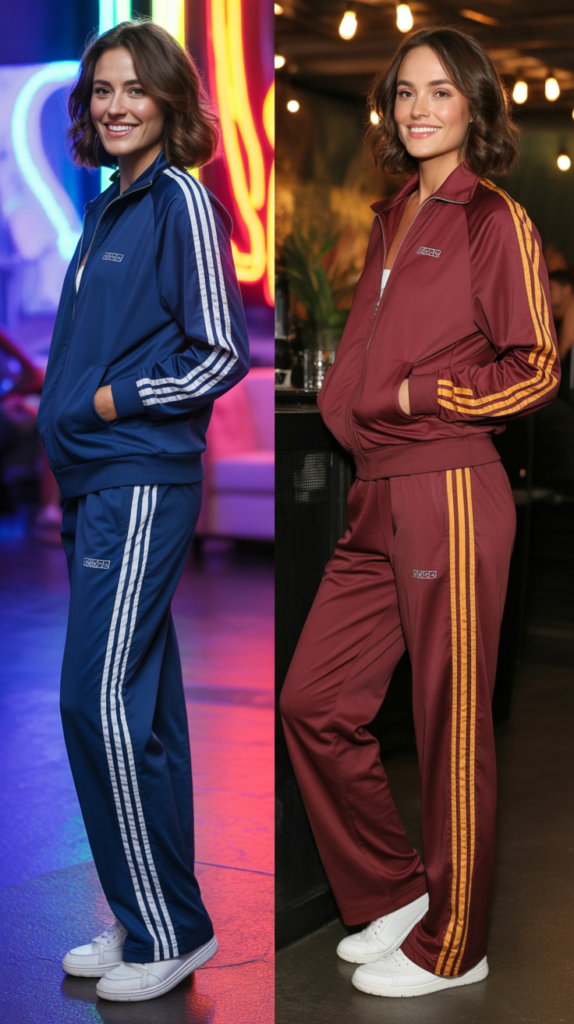
Athletic stripes migrated from sports uniforms to mainstream party fashion through bold side stripes on pants and jackets.
This trend blurred the lines between sportswear and going-out clothes, making comfort and style finally compatible.
- Side stripes appeared as contrasting bands running down the outer seam of pants in colors that popped against the base fabric.
- The stripes typically measured 1-3 inches wide and came in materials from simple grosgrain ribbon to reflective tape.
- Matching track jacket and pant sets featured coordinated striping that created cohesive athletic-luxe looks.
- Popular color combinations included black with white stripes, navy with red stripes, and any base with metallic gold or silver.
- The trend extended beyond traditional track pants to appear on jeans, cargo pants, and even skirts.
- This aesthetic worked particularly well for hip-hop influenced parties and casual club nights where comfort met style.
22. Asymmetrical Hemlines
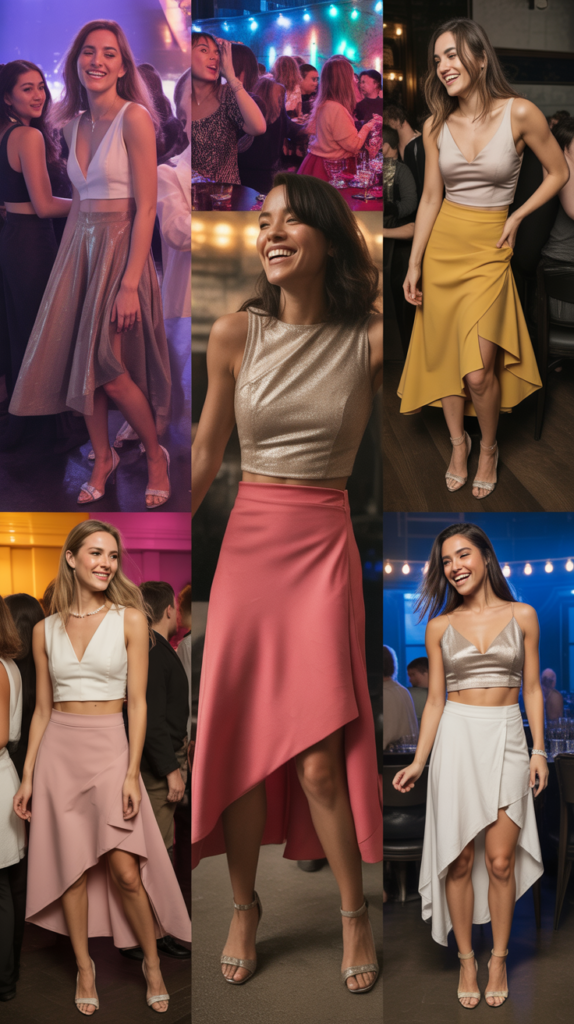
Asymmetry became a defining characteristic of early 2000s fashion through uneven hemlines that rejected traditional straight cuts.
This design element added movement, visual interest, and modern edge to skirts, dresses, and tops.
- Asymmetrical skirts featured diagonal cuts that sat higher on one leg than the other, creating dynamic silhouettes.
- Dresses incorporated high-low hems with dramatically shorter fronts and longer backs for red-carpet-inspired drama.
- Tops used asymmetrical cuts for off-shoulder looks, one-sleeve designs, or uneven bottom hems.
- The irregular lines created natural movement that was especially visible when dancing or walking.
- This trend worked across various fabrics from structured materials that held the asymmetrical shape to flowy materials that emphasized movement.
- Styling required consideration of the hemline’s highest point to ensure appropriate coverage and balance.
23. Tiny Shoulder Bags
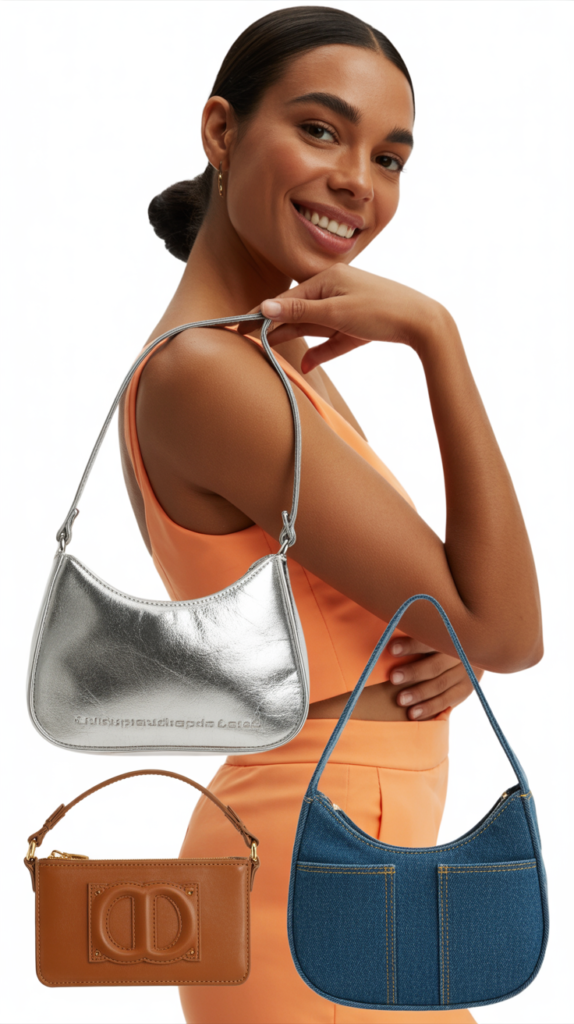
Bags shrank to impractical but stylish sizes during the early 2000s, with tiny shoulder bags becoming the accessory that held little but said everything about fashion priorities.
These miniature purses signaled that style trumped practicality at parties where phones and lip gloss were the only essentials.
- Tiny bags measured approximately 4-6 inches across, barely fitting a flip phone, keys, and a single credit card.
- Popular materials included metallic leather, sequined fabrics, denim matching outfits, and clear vinyl showing contents.
- Logo branding appeared prominently on these small canvases, with designer monograms covering entire bag surfaces.
- Shoulder straps were often thin chains or narrow fabric straps that let the bags dangle at hip level.
- Some designs featured unique shapes like hearts, stars, or even miniature versions of larger bag styles.
- The impracticality was part of the appeal, signaling dedication to fashion over function for party environments.
24. Body Glitter and Shimmer
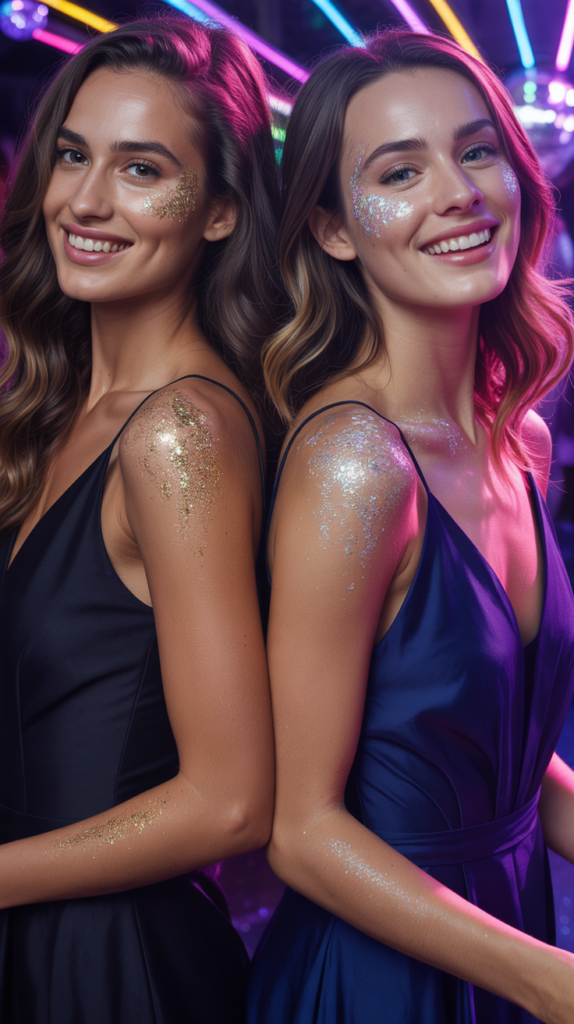
Body shimmer completed the sparkle obsession of the era by extending glitter beyond clothing to skin itself.
This beauty trend ensured that every part of the body could catch light on the dance floor, creating an overall luminous effect.
- Body glitter came in jars, roll-on tubes, and spray bottles, featuring particles in various sizes from fine shimmer to chunky glitter.
- Popular application areas included shoulders, collarbones, arms, décolletage, and even as face highlighting.
- Colors ranged from classic gold and silver to colored glitters in pink, blue, purple, and iridescent combinations.
- The glitter adhered through gel bases, oils, or lotions, though inevitable shedding throughout the night was expected.
- Strategic placement enhanced specific features like cheekbones or created decorative patterns on exposed skin.
- This trend worked synergistically with other sparkle elements in outfits to create cohesive, light-catching party looks.
Conclusion
The late 90s and early 2000s gifted us with a fashion legacy that continues to inspire contemporary style, proving that true creativity knows no boundaries when it comes to self-expression.
These 24 Late 90s–Early 2000s Party Outfit Inspo ideas showcase an era where experimentation was encouraged, individuality was celebrated, and taking fashion risks was the ultimate party statement.
From the shine of metallic fabrics and rhinestone embellishments to the comfort of velour tracksuits and platform footwear, these looks capture a moment when fashion became democratized and accessible through mall brands and music television.
Whether you’re recreating these styles for a themed party, incorporating Y2K elements into your modern wardrobe, or simply appreciating the bold aesthetic choices of the millennium generation, these outfit inspirations remind us that fashion should always be fun, fearless, and unapologetically yourself.
The beauty of these trends lies not just in their visual impact but in the confidence and joy they represented—qualities that never go out of style no matter what decade we’re living in.
