30 Japanese-Inspired Y2K Fashion Looks
The early 2000s marked a revolutionary era where Japanese street style collided with Western millennium aesthetics, creating a fashion movement that continues to captivate modern wardrobes.
If you’re searching for the perfect blend of nostalgic Y2K vibes and Tokyo’s innovative fashion culture, you’ve discovered the ultimate style guide.
This comprehensive exploration of 30 Japanese-Inspired Y2K Fashion Looks will transport you through the iconic trends that defined an era, from Harajuku’s playful expressions to Shibuya’s sleek urban ensembles.
Whether you’re a vintage fashion enthusiast or someone looking to inject fresh energy into your contemporary wardrobe, these carefully curated looks will provide endless inspiration for channeling the distinctive fusion that made early 2000s Japanese fashion unforgettable.
1. Harajuku Decora Kei Explosion
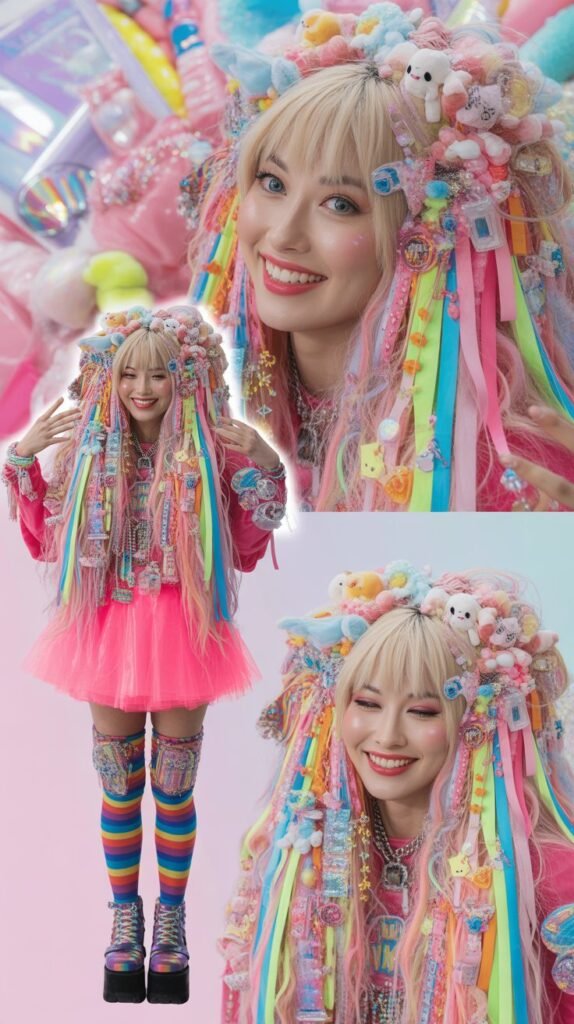
Decora Kei represents the maximalist heart of Y2K Japanese fashion, where more is always more and self-expression knows no boundaries.
This style emerged from Harajuku’s streets as a rebellion against minimalism, celebrating childhood joy and creative freedom through layers upon layers of accessories.
- The foundation starts with oversized graphic tees featuring anime characters, kawaii imagery, or bold English phrases that became signature elements of the era.
- Layer multiple tutus, ruffled skirts, or patterned shorts over striped leggings to create dimension and visual interest throughout your outfit.
- Accessories define this look—clip dozens of colorful barrettes, hair ties, and mini plushies into your hair for authentic Decora style.
- Stack 20-30 beaded bracelets, rubber bands, and charm bracelets on each arm to achieve the signature layered aesthetic.
- Platform sneakers or chunky Mary Janes in bright colors provide the perfect base while adding extra height to your silhouette.
- Complete the ensemble with multiple bags including mini backpacks, character purses, and shoulder bags covered in pins and keychains.
2. Cyber Goth Tokyo Nights
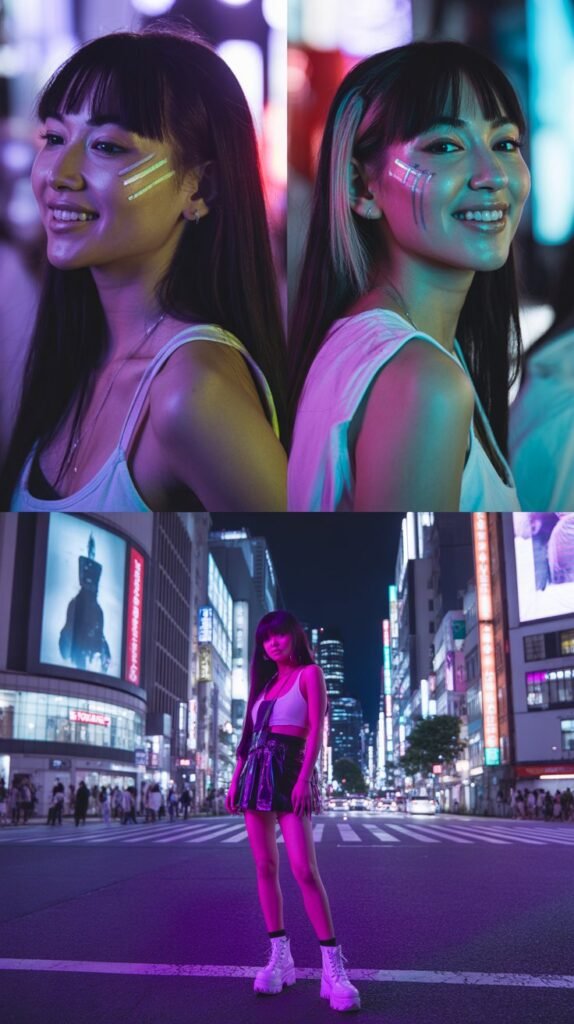
The Japanese Y2K cyber goth aesthetic merged futuristic technology themes with gothic darkness, creating an edgy underground movement that thrived in Tokyo’s nightlife districts.
This style represented the digital age’s influence on fashion through metallic materials and neon accents.
- Start with black vinyl or PVC pants that reflect light and embody the futuristic aesthetic central to this movement.
- Choose crop tops or bodysuits in metallic silver, electric blue, or neon green to create striking contrast against dark bottoms.
- Platform boots with multiple straps, buckles, and thick soles became essential footwear for the cyber goth community.
- Add UV-reactive accessories including bracelets, necklaces, and hair falls that glow under blacklight in club settings.
- Incorporate technological elements like circuit board patterns, binary code prints, or digital glitch graphics into your garments.
- Finish with dark makeup featuring metallic eyeshadow, dramatic eyeliner, and occasionally face gems or temporary tattoos.
3. Gyaru Ganguro Glamour
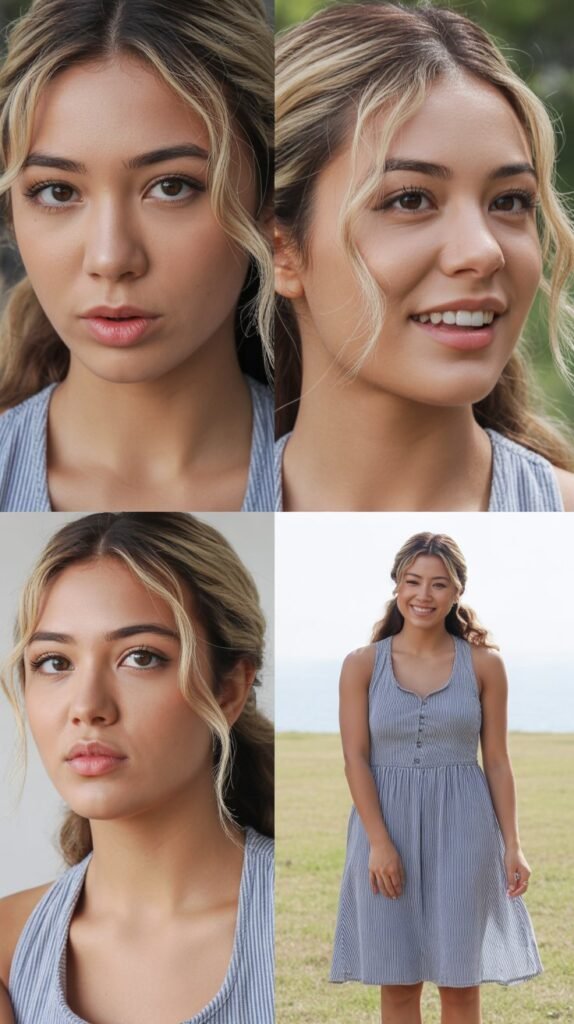
Gyaru culture’s Ganguro subset pushed Y2K fashion boundaries with extreme tanning, dramatic makeup, and rebellious styling that challenged Japanese beauty standards.
This bold movement celebrated confidence and individuality through its unapologetic aesthetic choices.
- Deep tans or bronzer application created the signature sun-kissed look that became Ganguro’s most recognizable feature.
- Bleached or brightly colored hair in blonde, silver, or pastel shades provided stark contrast against tanned skin.
- White or pastel eyeshadow and lipstick created dramatic facial contrast that defined the Ganguro makeup aesthetic.
- Micro mini skirts paired with cropped tanks or bikini tops showcased the beach-inspired, carefree attitude of this subculture.
- Platform sandals or boots reaching 4-6 inches became essential for achieving the towering height associated with Ganguro style.
- Decorative elements included flower leis, shell necklaces, colorful beads, and tropical-themed accessories that emphasized summer vibes year-round.
4. Visual Kei Rock Elegance
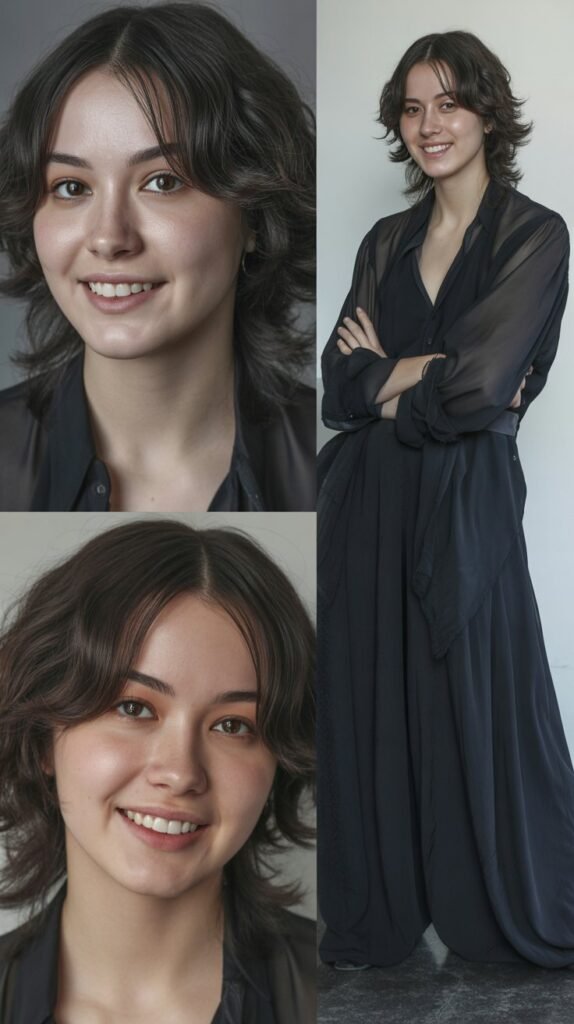
Visual Kei bands influenced Y2K fashion by bringing theatrical, gender-fluid aesthetics from the stage to the streets of Tokyo.
This style combined rock rebellion with elegant, almost aristocratic elements for a distinctive Japanese twist on alternative fashion.
- Structured jackets with military-inspired details, chains, and asymmetrical cuts formed the foundation of Visual Kei outerwear.
- Tight-fitting pants in leather, vinyl, or distressed denim created a sleek silhouette that balanced elaborate tops.
- Elaborate hairstyling with gravity-defying spikes, long extensions, or perfectly styled layers required significant time and product.
- Layered necklaces featuring crosses, roses, skulls, and ornate pendants added gothic romance to the ensemble.
- Platform boots with buckles, studs, and intricate lacing provided both height and attitude to complete the look.
- Makeup included pale foundation, dark eyeliner, sometimes lipstick in unconventional colors to enhance the theatrical presentation.
5. Lolita Sweet Princess
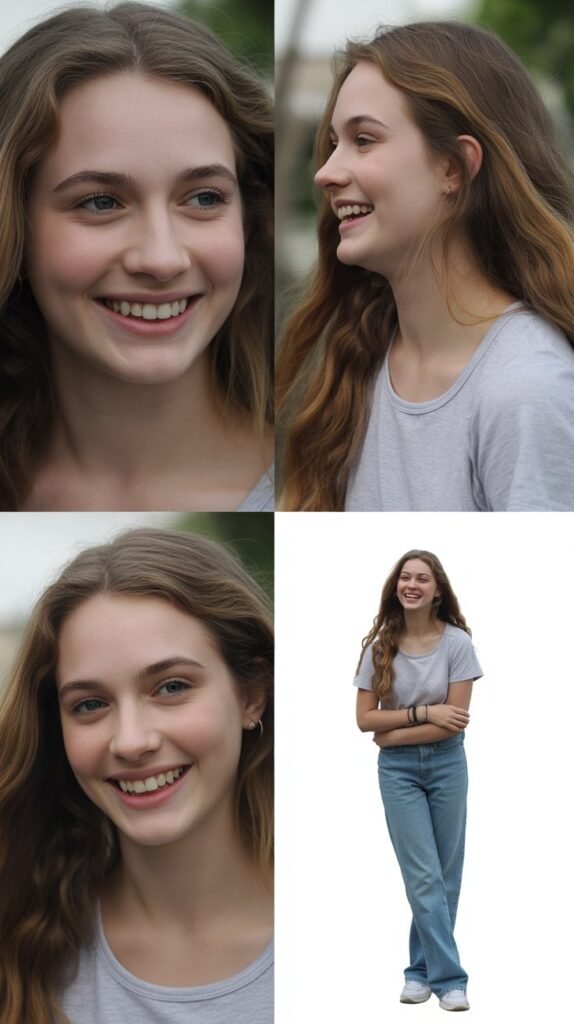
Japanese Lolita fashion during the Y2K era embraced Victorian and Rococo influences while adding distinctly kawaii elements.
Sweet Lolita specifically focused on pastel colors, abundant ruffles, and creating an appearance of innocence and elegance.
- Bell-shaped dresses or skirts supported by multiple petticoats created the signature silhouette that defined Lolita fashion.
- Pastel colors including baby pink, mint green, lavender, and powder blue dominated Sweet Lolita wardrobes during this period.
- Blouses with Peter Pan collars, puffed sleeves, and delicate lace trim layered perfectly under jumper-style dresses.
- Headwear such as bonnets, headbows, or mini crowns added the finishing touch to achieve complete coord perfection.
- Mary Jane shoes or tea party shoes with modest heels and ankle straps maintained the modest, elegant aesthetic.
- Accessories included stuffed animals, parasols, wrist cuffs, and detailed bags that coordinated with the overall color scheme.
6. Shibuya Casual Cool
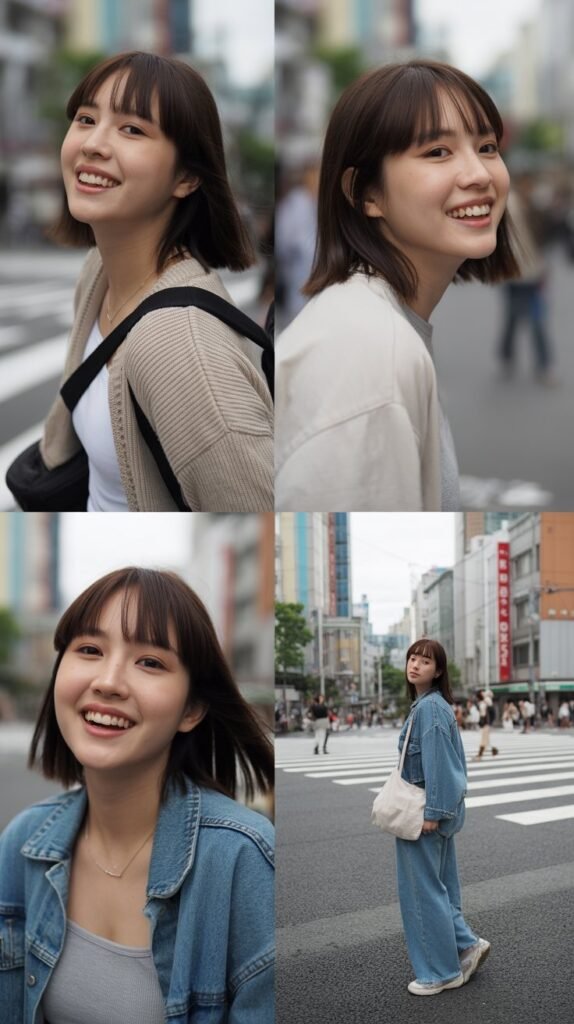
Shibuya district’s Y2K fashion represented a more accessible, everyday interpretation of Japanese trends that blended comfort with style.
This look captured the essence of Tokyo youth culture without requiring the commitment of more extreme subcultures.
- Low-rise jeans in light washes with strategic distressing became the universal bottom for countless Shibuya outfits.
- Baby tees featuring brand logos, cute graphics, or simple text fit snugly to emphasize the Y2K preference for body-conscious silhouettes.
- Layered tank tops under sheer shirts or mesh created dimension while maintaining the casual, effortless vibe.
- Chunky sneakers from brands like Buffalo or platform Converse added height without sacrificing comfort for all-day wear.
- Small shoulder bags or messenger bags in bright colors or metallic finishes carried essentials while serving as statement accessories.
- Minimal jewelry including thin chains, small hoops, and friendship bracelets kept the look youthful and uncomplicated.
7. Mori Girl Forest Fairy
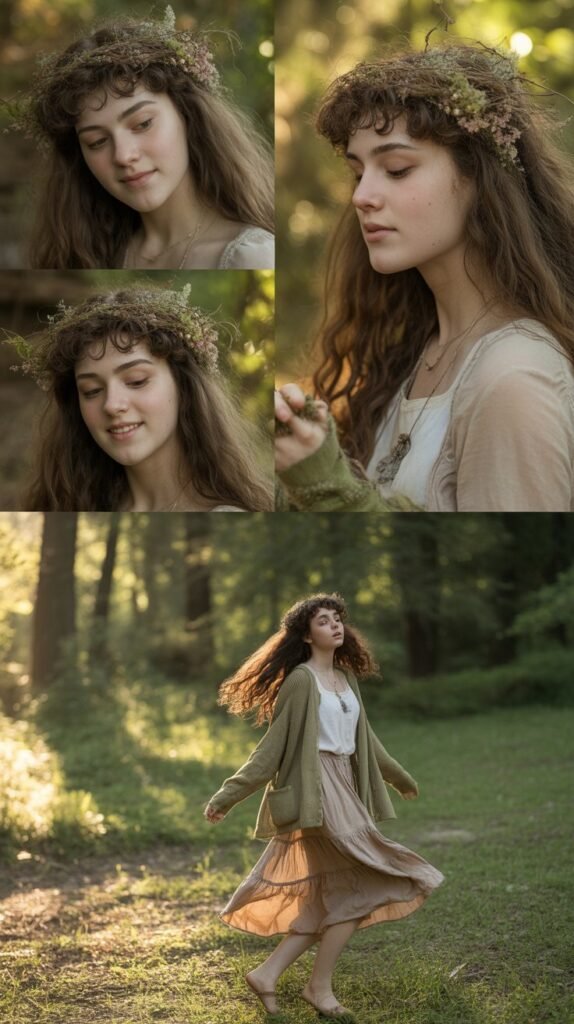
The Mori Girl aesthetic emerged in the late Y2K period, bringing a softer, nature-inspired alternative to Tokyo’s more intense fashion movements.
This style celebrated natural fabrics, earthy tones, and a whimsical connection to forest imagery.
- Loose-fitting dresses in multiple layers created a flowing, ethereal silhouette reminiscent of woodland creatures.
- Natural fabrics including cotton, linen, and wool dominated the Mori Girl wardrobe for comfort and breathability.
- Earth-toned color palettes featuring browns, greens, creams, and muted florals evoked forest floor imagery.
- Vintage or vintage-inspired accessories like antique brooches, leather satchels, and knit scarves added character to outfits.
- Comfortable flat shoes including oxfords, ankle boots, or simple sandals allowed for practical movement while maintaining aesthetic cohesion.
- Delicate jewelry featuring natural elements like pressed flowers, wooden beads, or small animal charms completed the forest fairy vision.
8. Kogal Schoolgirl Chic
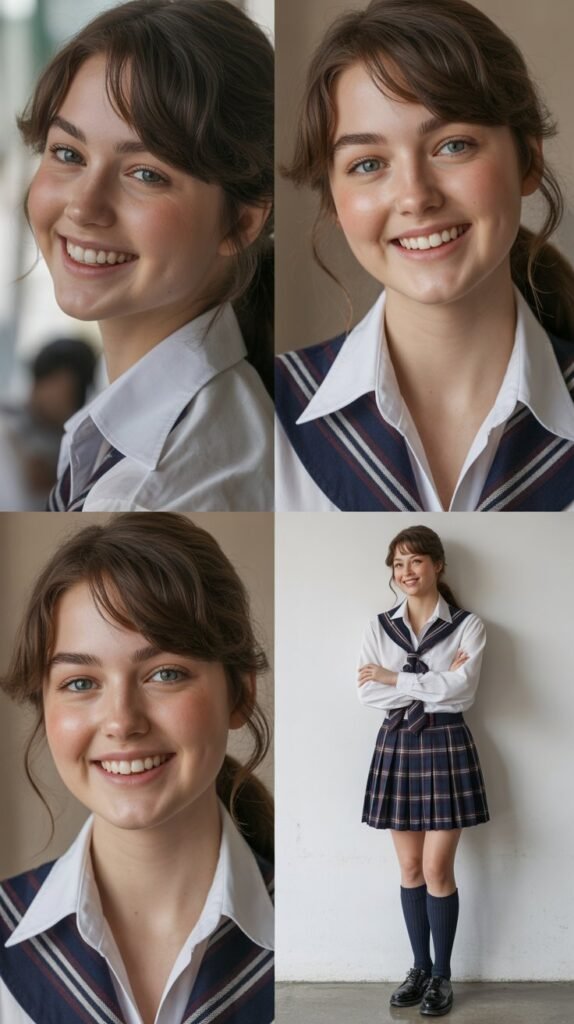
Kogal fashion took Japanese school uniforms and transformed them into a rebellious Y2K statement through creative modifications and styling choices.
This trend represented teenage independence and the reappropriation of institutional dress codes.
- Pleated mini skirts worn significantly shorter than regulation length became the most recognizable Kogal element.
- Oversized cardigans or blazers in navy, gray, or black created casual contrast with the shortened uniform bottoms.
- Loose socks scrunched around the ankles or calves achieved the signature “rūzu sokkusu” look that defined the movement.
- Platform loafers added several inches of height while maintaining a connection to traditional school shoe requirements.
- Designer bags from brands like Louis Vuitton or Burberry showcased the materialistic aspect of Kogal culture.
- Accessorizing with small cell phone charms, branded hair accessories, and colored contact lenses personalized the uniform aesthetic.
9. Fairy Kei Pastel Dreams
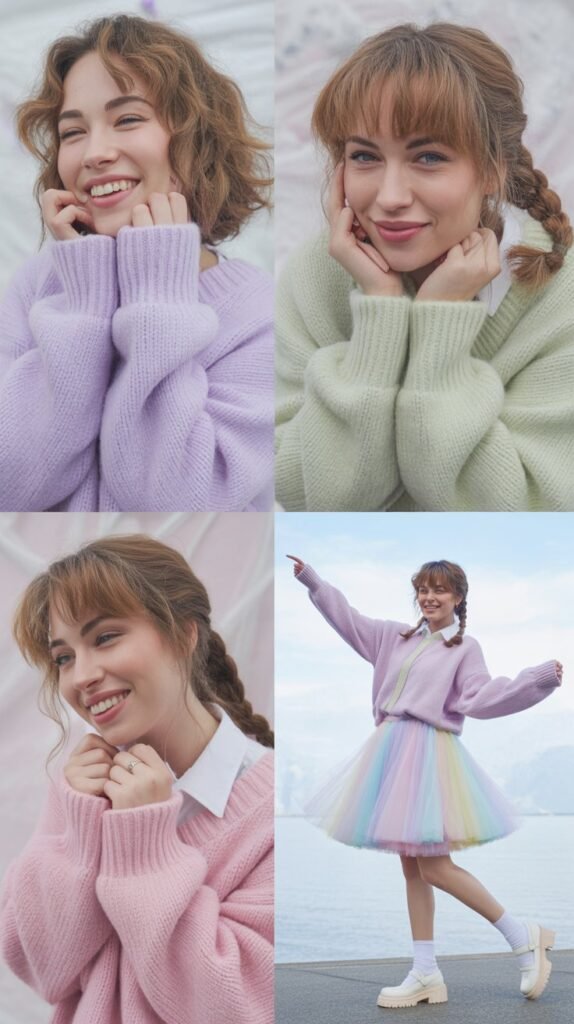
Fairy Kei emerged as a Y2K substyle celebrating 1980s nostalgia through pastel color combinations and vintage toy imagery.
This aesthetic created a bridge between Japanese kawaii culture and Western retro references.
- Pastel color blocking paired unlikely combinations like lavender with mint, baby pink with powder blue for eye-catching coordination.
- Oversized sweaters or hoodies featuring vintage cartoon characters from the 1980s served as statement pieces.
- High-waisted shorts or skirts in complementary pastel shades balanced the volume of oversized tops.
- Colorful sneakers in pink, purple, or multicolor combinations added a sporty element to otherwise delicate outfits.
- Accessories included vintage toys worn as necklaces, scrunchies, jelly bracelets, and hair clips in matching pastel tones.
- Bags featuring characters like Care Bears, My Little Pony, or Rainbow Brite connected the look to its nostalgic inspiration.
10. Ura-Harajuku Underground Edge
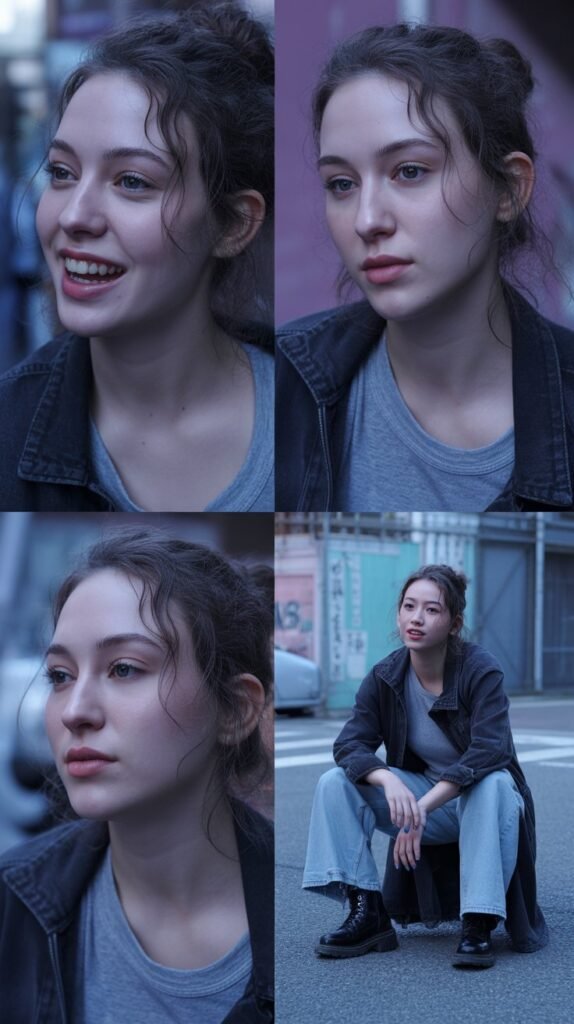
Ura-Harajuku, the backstreets of the famous district, cultivated edgier, more experimental Y2K fashion that pushed creative boundaries.
This style represented the avant-garde side of Japanese street fashion that influenced international designers.
- Deconstructed garments with exposed seams, raw hems, and intentional imperfections challenged conventional construction methods.
- Asymmetrical cuts including one-shoulder tops, uneven hemlines, and diagonal zippers created visual intrigue.
- Mixed pattern combinations that would typically clash were worn together intentionally for maximum impact.
- Oversized silhouettes alternated with skin-tight pieces to create dramatic contrast within a single outfit.
- DIY elements including hand-painted designs, safety pin modifications, and custom patchwork demonstrated individual creativity.
- Accessories ranged from industrial chains to delicate vintage finds, mixed without regard for traditional coordination rules.
11. B-Gal Hip Hop Fusion
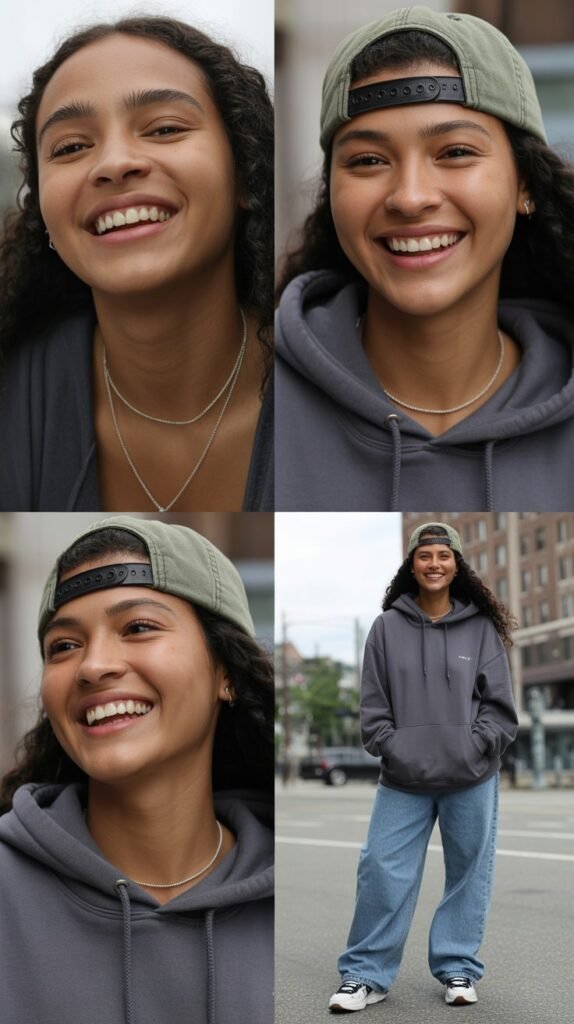
B-Gal style represented Japanese girls’ interpretation of American hip-hop fashion filtered through Tokyo’s unique aesthetic sensibilities.
This look combined baggy silhouettes with distinctly feminine Japanese touches during the Y2K period.
- Baggy jeans or cargo pants worn low on the hips created the foundation for authentic B-Gal style.
- Cropped sports jerseys or baby tees maintained femininity while embracing hip-hop’s sporty aesthetic.
- Name-brand sneakers including Nike Air Force 1s or Adidas Superstars served as essential footwear investments.
- Baseball caps worn straight or tilted added attitude while providing practical sun protection.
- Gold or silver jewelry including nameplate necklaces, door-knocker earrings, and chunky rings referenced hip-hop culture.
- Bandanas worn as headbands, tied around arms, or hanging from pockets added color and texture to outfits.
12. Oshare Kei Colorful Pop
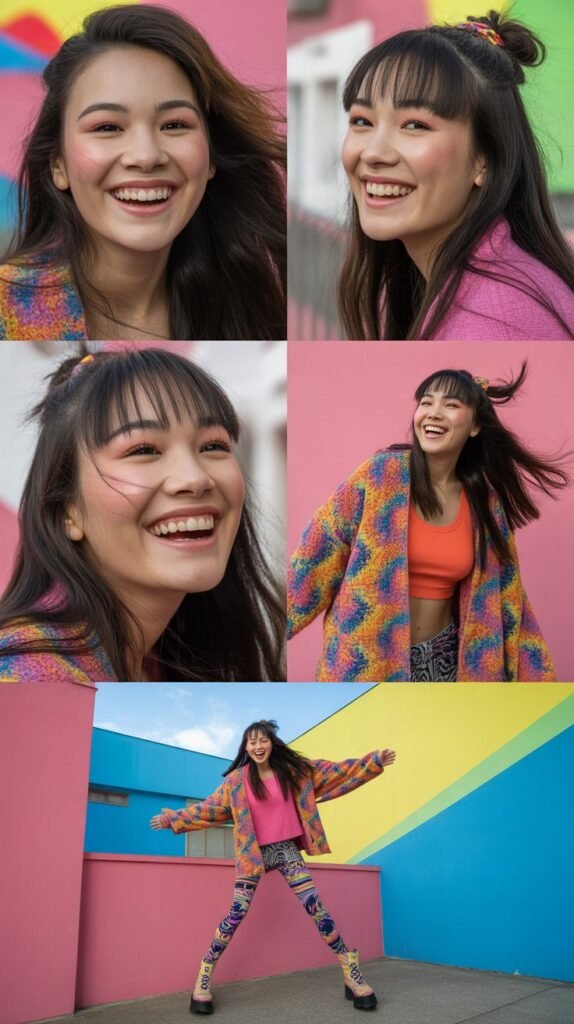
Oshare Kei evolved as a more colorful, accessible alternative to Visual Kei’s darkness during the Y2K era. This style maintained the creativity and self-expression while embracing brighter palettes and playful elements.
- Skinny jeans in bold colors like hot pink, electric blue, or neon yellow became Oshare Kei staples.
- Graphic tees featuring band logos, cartoon characters, or original artwork provided the top layer for most outfits.
- Studded belts worn over jeans added punk edge while maintaining the playful, colorful overall aesthetic.
- Brightly colored sneakers or Converse high-tops coordinated with the outfit’s primary color scheme.
- Hair dyed in multiple vibrant colors with bold styling became an essential component of the complete look.
- Accessories included colorful wristbands, character keychains, and pins covering bags and jackets.
13. Romantic Goth Aristocrat
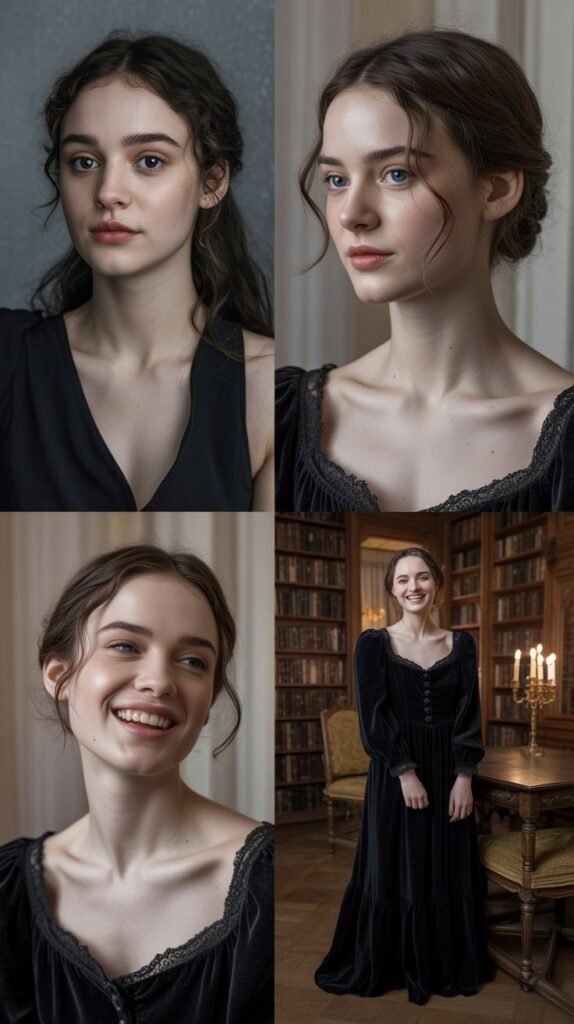
Gothic Lolita’s aristocrat subset leaned into Victorian elegance with a darker color palette during the Y2K period. This style emphasized sophistication and historical European fashion interpreted through a Japanese lens.
- Long tailcoats or frock coats in black, burgundy, or deep purple created dramatic silhouettes with historical references.
- Corsets or corset-style vests worn over crisp white shirts emphasized an hourglass figure while maintaining modesty.
- Long skirts with multiple layers, ruffles, and lace trim fell to mid-calf or ankle length.
- Top hats, mini hats, or tricorn hats adorned with feathers, flowers, or veils completed the aristocratic presentation.
- Lace-up boots with modest heels provided both elegance and practicality for navigating Tokyo streets.
- Accessories included pocket watches, cameo brooches, parasols, and leather gloves to enhance the period-appropriate aesthetic.
14. Kansai Yamamoto Bold Prints
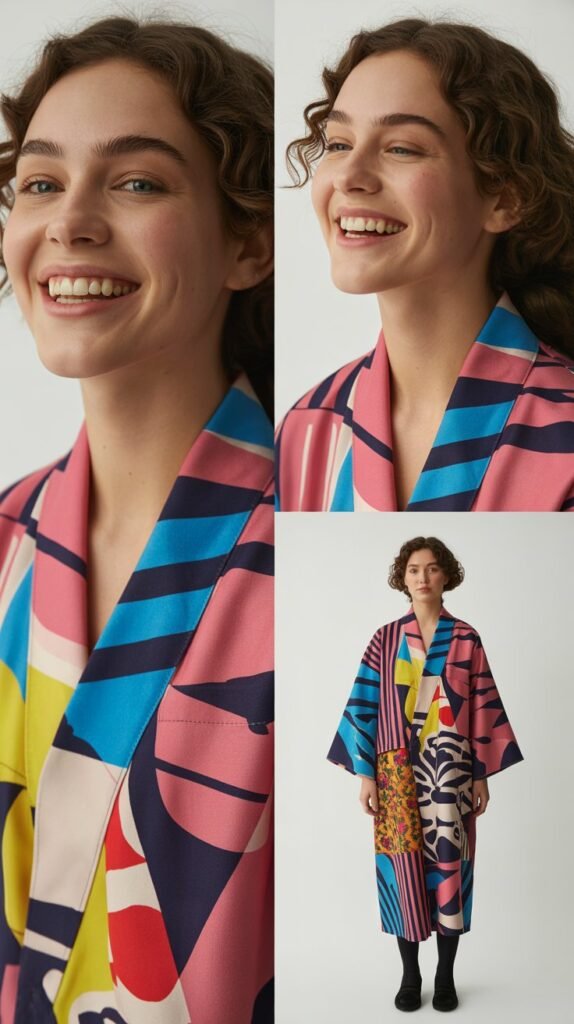
Designer Kansai Yamamoto’s influence on Y2K Japanese fashion brought theatrical prints and innovative cutting techniques to mainstream awareness.
His bold aesthetic encouraged experimental fashion choices among Tokyo youth.
- Oversized geometric prints in contrasting colors created visual impact that demanded attention.
- Asymmetrical hemlines and unconventional sleeve constructions challenged traditional garment expectations.
- Vibrant color combinations that juxtaposed warm and cool tones energized every piece.
- Wide-leg pants or dramatic skirts with unusual constructions provided movement and fluidity.
- Layering of printed pieces created complex visual narratives within single outfits.
- Accessories remained minimal to allow the clothing’s bold designs to serve as the focal point.
15. Cult Party Kei Vintage Mix
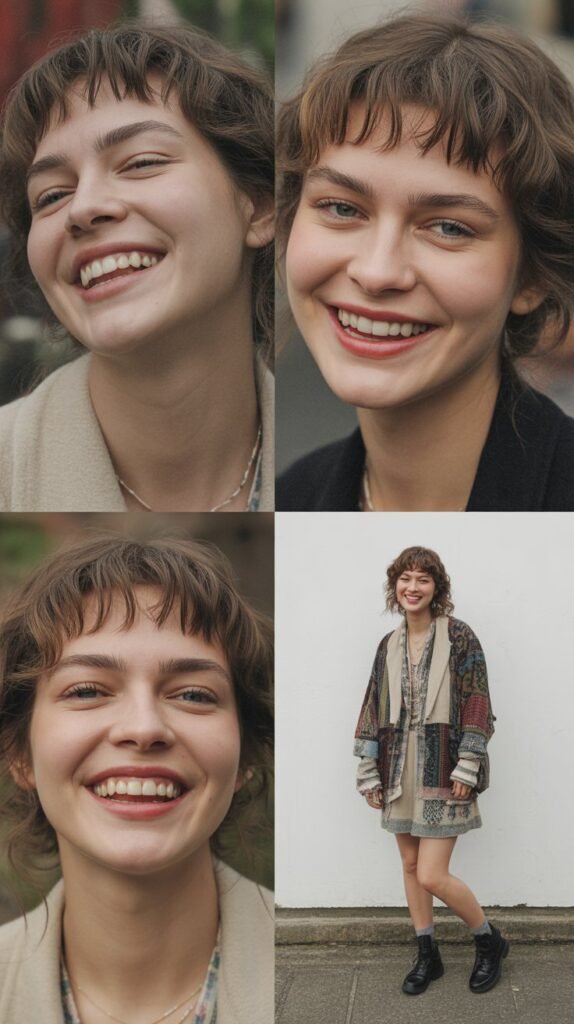
Cult Party Kei combined elements from multiple eras and styles to create eclectic, vintage-inspired looks during the Y2K period. This aesthetic celebrated thrift shopping and creative mixing of different fashion periods.
- Vintage band tees, sweaters, or blouses from the 1960s-1980s provided authentic retro foundations.
- Layering multiple eras and styles together created unique combinations impossible to replicate exactly.
- High-waisted vintage jeans or skirts paired with modern accessories bridged different time periods.
- Pattern mixing including florals with stripes or plaids with polka dots demonstrated confident styling.
- Vintage accessories like scarves, belts, and jewelry from different decades added character and history.
- Thrifted bags and shoes contributed to the sustainable, anti-fast-fashion ethos of the movement.
16. Tokyo Glam Rock Sparkle
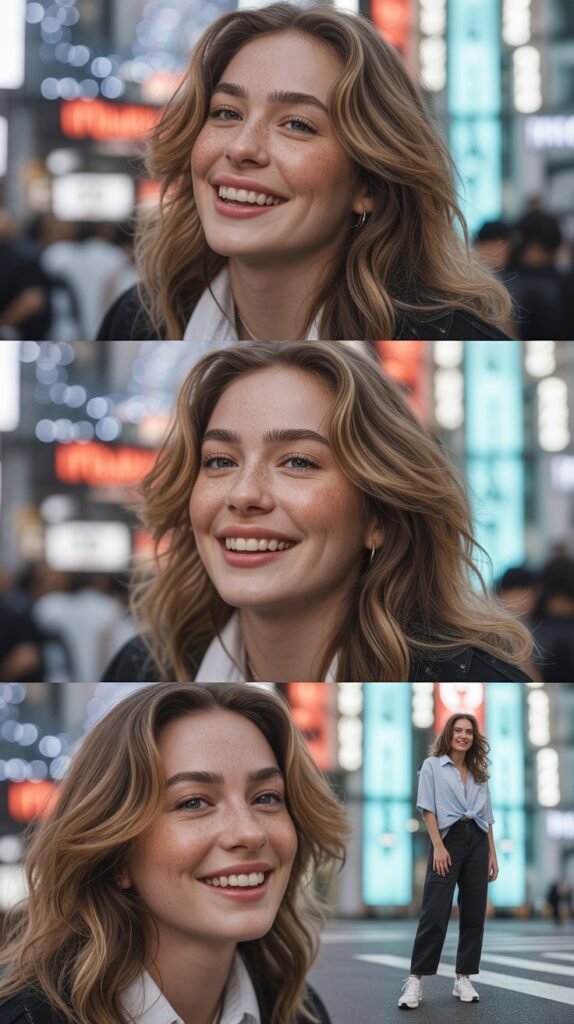
Tokyo’s glam rock scene during the Y2K era embraced sequins, metallics, and theatrical presentation influenced by both Western glam and Japanese Visual Kei.
This style celebrated excess and performance in everyday fashion.
- Sequined tops, pants, or jackets that caught light from every angle became evening and daytime wear alike.
- Metallic fabrics in silver, gold, or holographic finishes created futuristic yet retro aesthetics simultaneously.
- Platform boots in metallic or patent leather added height while maintaining the glam rock edge.
- Tight-fitting silhouettes showcased the body while allowing maximum movement for dancing or performance.
- Dramatic eye makeup featuring glitter, metallics, and bold colors enhanced the theatrical presentation.
- Hair styled with volume, color, and sometimes glitter spray completed the larger-than-life appearance.
17. Minimalist Tokyo Zen
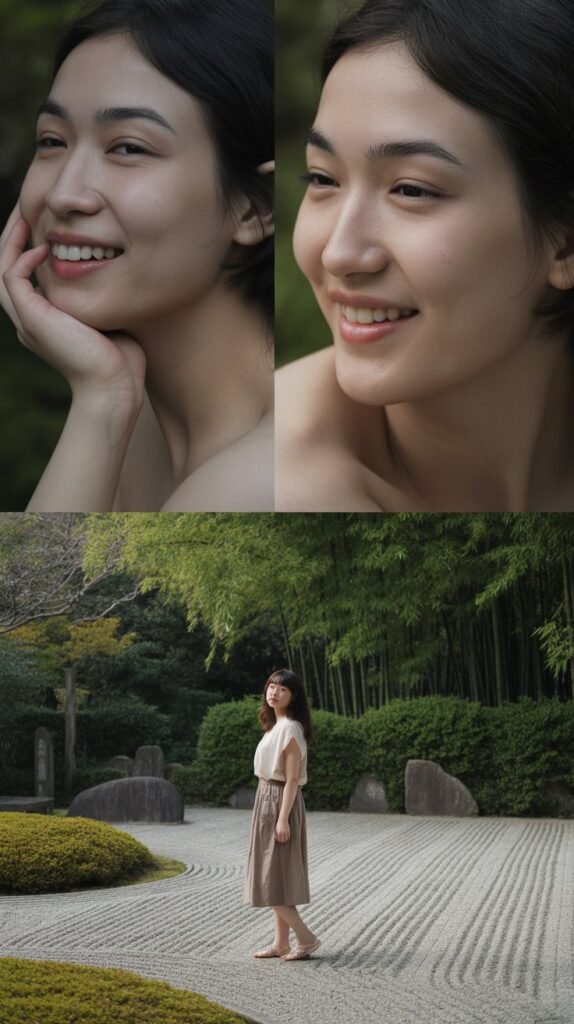
Not all Y2K Japanese fashion embraced maximalism—a growing minimalist movement celebrated clean lines and neutral palettes.
This aesthetic represented sophistication and maturity within Tokyo’s diverse fashion landscape.
- Monochromatic outfits in black, white, beige, or gray created sophisticated uniformity.
- High-quality fabrics including silk, cashmere, and fine cotton elevated simple designs.
- Clean-lined silhouettes with minimal embellishment focused attention on cut and construction quality.
- Tailored pieces including structured blazers and well-fitted trousers conveyed professional polish.
- Minimal accessories limited to a single statement watch, simple earrings, or classic handbag.
- Neutral footwear including leather loafers, simple heels, or minimalist sneakers completed the refined aesthetic.
18. Anime Cosplay Casual
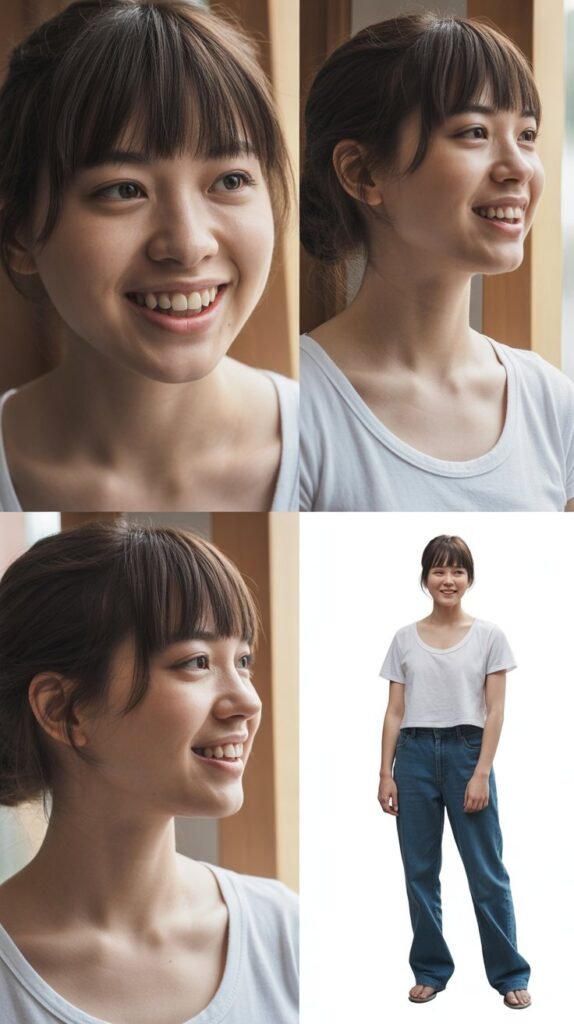
Y2K saw cosplay culture influencing everyday Japanese fashion as elements from anime and manga characters entered street style.
This trend allowed fans to express their interests through wearable, casual interpretations.
- Character-themed hoodies or jackets featuring favorite anime series brought fandom into daily wardrobe rotation.
- School uniform-inspired pieces referenced popular series without being full cosplay costumes.
- Colored wigs in character-accurate shades allowed temporary transformation for special occasions or everyday wear.
- Graphic tees featuring anime artwork, character quotes, or series logos served as conversation starters.
- Accessories including character-themed bags, pins, and jewelry subtly referenced specific series.
- Casual costume elements like cat ears, arm warmers, or distinctive accessories nodded to specific characters.
19. Punk Meets Kawaii Contrast
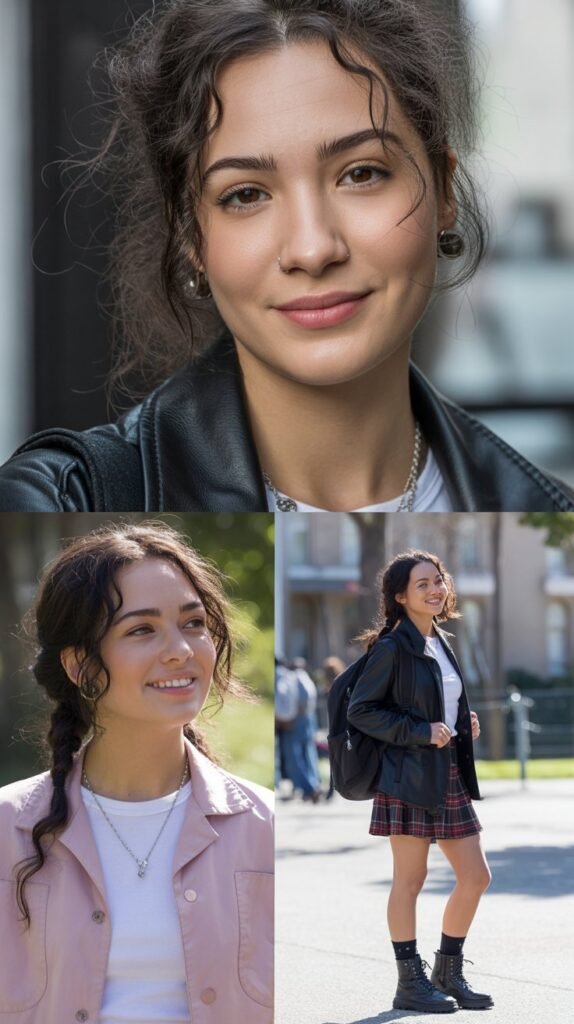
Japanese Y2K fashion mastered the art of combining seemingly opposite aesthetics, with punk-kawaii fusion representing this talent perfectly.
This style juxtaposed hardcore elements with adorable imagery for maximum impact.
- Leather jackets covered in both metal studs and cute character patches created intentional aesthetic conflict.
- Plaid skirts in pastel colors paired with fishnet stockings balanced sweet with rebellious elements.
- Platform boots adorned with colorful laces, character keychains, and metal hardware combined influences.
- Safety pins and chains mixed with ribbon, bows, and stuffed animal charms on bags and clothing.
- Hair styled in punk spikes or mohawks dyed in pastel pink, lavender, or mint green.
- Makeup combined dark eyeliner and lipstick with cute face stickers or blush application.
20. Cyber Y2K Futurism
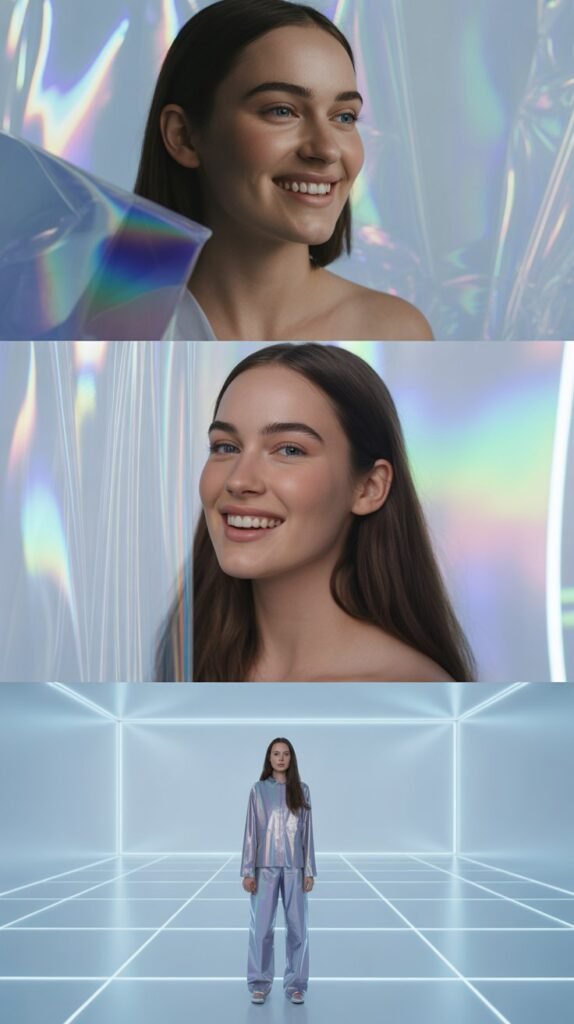
Japan’s cyber fashion during the Y2K period imagined a technological future through clothing that incorporated digital prints, reflective materials, and futuristic silhouettes.
This style captured millennium optimism about coming technological advances.
- Holographic or iridescent fabrics that shifted colors with movement embodied futuristic material innovation.
- Digital or pixelated prints referenced computer graphics and virtual reality aesthetics.
- Sleek, body-conscious silhouettes suggested aerodynamic efficiency and technological streamlining.
- Clear or transparent materials including vinyl and plastic showcased avant-garde construction techniques.
- Reflective strips, lights, or glow-in-the-dark elements added functional sci-fi details.
- Tech accessories including early MP3 players, digital watches, and futuristic sunglasses completed the forward-thinking aesthetic.
21. Dolly Kei European Vintage
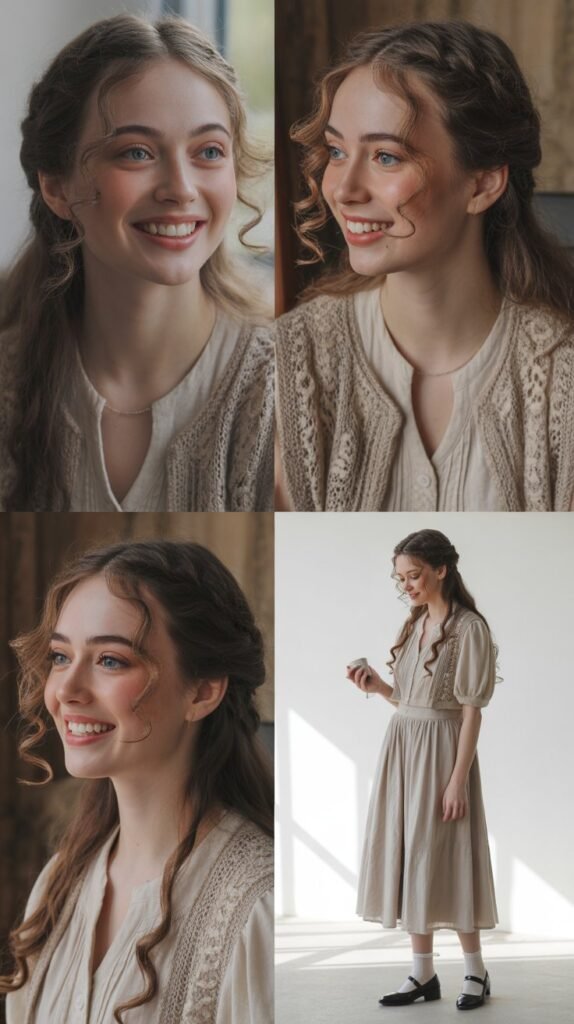
Dolly Kei emerged in the late Y2K period, drawing inspiration from vintage European clothing and creating a style reminiscent of old dolls and fairy tales.
This aesthetic celebrated romanticism and historical fashion through a Japanese interpretation.
- Vintage European garments including wool coats, long skirts, and embroidered blouses formed the foundation.
- Muted color palettes in browns, wines, forest greens, and faded pastels created aged, vintage aesthetics.
- Multiple layers including slips, dresses, cardigans, and shawls built complex, dimensional outfits.
- Antique or antique-inspired accessories like brooches, lace collars, and vintage bags added authenticity.
- Natural fabrics including wool, cotton, and silk contributed to the historical accuracy of the look.
- Comfortable vintage shoes like oxford heels or Victorian-style boots completed the time-travel aesthetic.
22. Japanese Denim Revolution
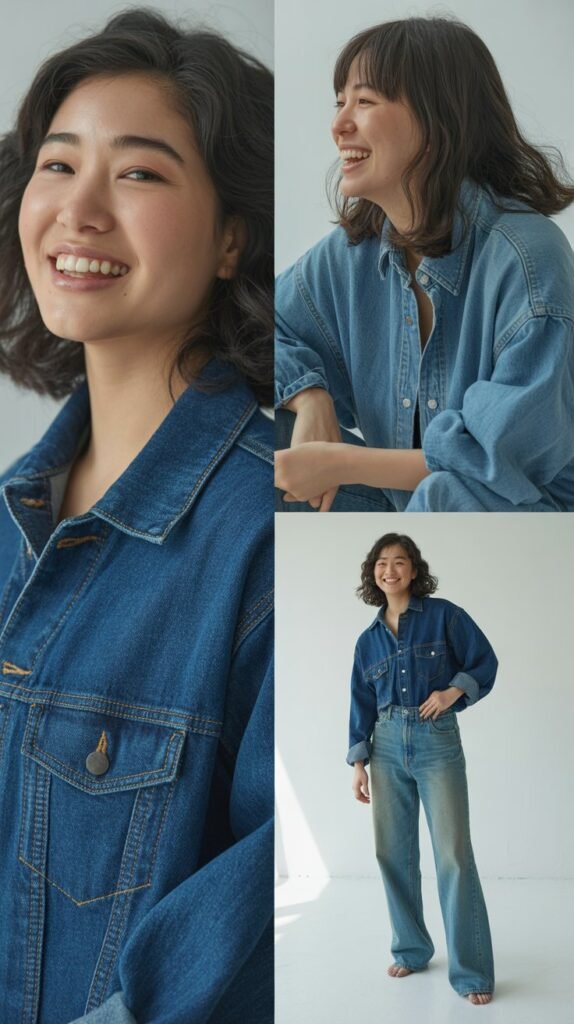
Japanese denim craftsmanship gained international recognition during the Y2K period, with domestic brands creating premium jeans that influenced street fashion.
This movement celebrated quality construction and authentic workwear heritage.
- Raw or selvedge denim in classic indigo showcased Japanese manufacturing excellence and aging potential.
- Vintage-inspired cuts including straight-leg and slightly tapered silhouettes reflected authentic workwear roots.
- Visible construction details like chain-stitching, copper rivets, and leather patches demonstrated quality craftsmanship.
- Denim jackets in various washes paired with jeans for classic Canadian tuxedo styling.
- Minimal styling allowed the denim quality to serve as the outfit’s focal point.
- Heritage-inspired accessories including leather belts, work boots, and simple tees completed the authentic workwear aesthetic.
23. Shibuya 109 Mall Fashion
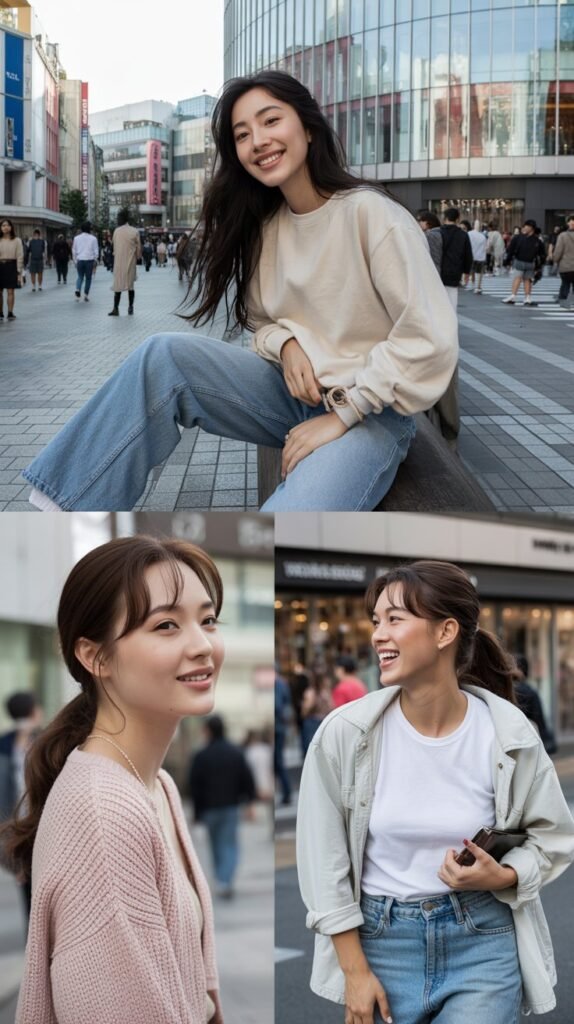
The iconic Shibuya 109 shopping mall defined Y2K Japanese mainstream fashion through the brands housed within its walls.
This style represented accessible, trendy fashion that influenced millions of young Japanese women.
- Coordinated outfits with matching colors and themes demonstrated the Japanese concept of total coordination.
- Mini skirts or shorts paired with knee-high boots created the signature 109 leg-lengthening silhouette.
- Platform shoes from various brands added height while maintaining the youthful, energetic vibe.
- Brand-conscious accessories showcased logos from popular 109 retailers like EGOIST or CECIL McBEE.
- Trend-focused pieces changed rapidly with seasons, encouraging frequent shopping and style updates.
- Feminine details including ruffles, bows, and lace maintained a distinctly girly aesthetic.
24. Japanese Streetwear Hypebeast
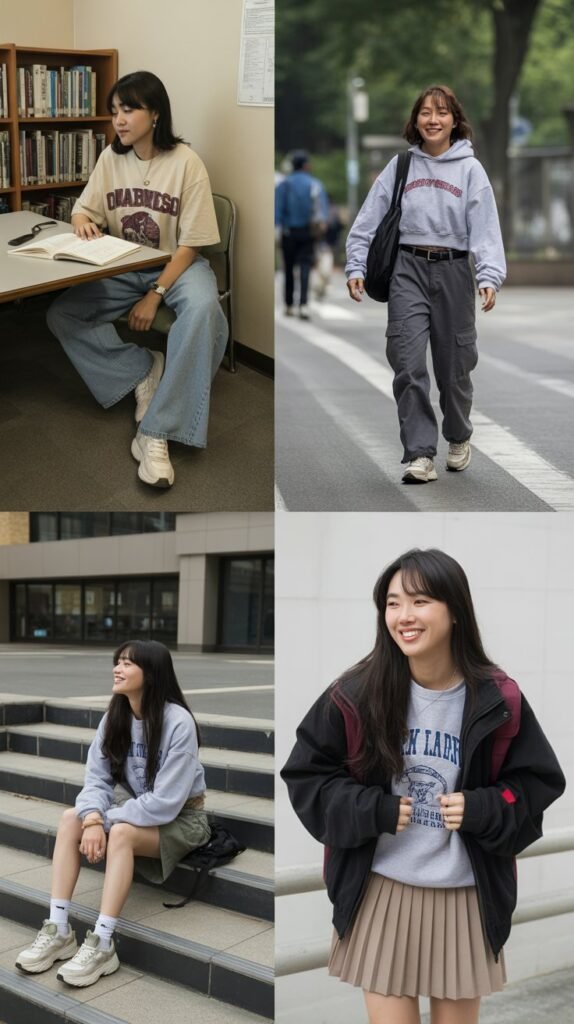
Japanese streetwear brands like A Bathing Ape and UNDERCOVER gained global influence during the Y2K period, creating a hypebeast culture focused on limited releases and brand prestige.
This style emphasized exclusivity and brand knowledge.
- Branded hoodies and t-shirts from coveted Japanese labels served as status symbols within streetwear communities.
- Limited-edition sneakers including BAPE STAs or Nike collaborations became investment pieces and outfit centerpieces.
- Camo prints in unconventional colors like pink, purple, or blue referenced BAPE’s signature patterns.
- Baggy or relaxed fits maintained comfort while showcasing expensive branded pieces.
- Logo-heavy designs demonstrated brand allegiance and participation in exclusive release culture.
- Accessories including branded bags, caps, and collectible toys extended the streetwear ecosystem beyond clothing.
25. Romantic Hime Gyaru Princess
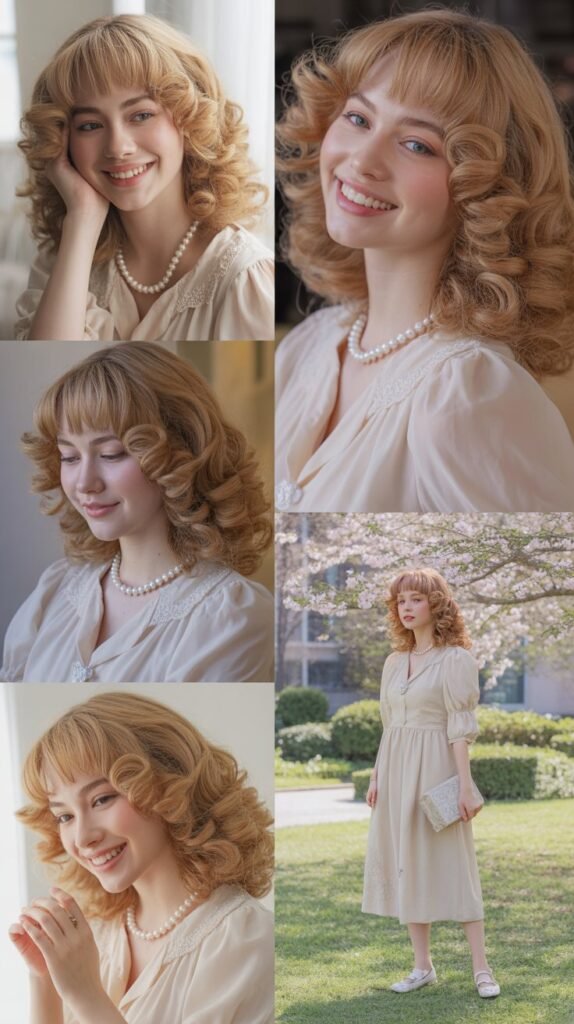
Hime Gyaru represented the princess subset of gyaru culture, combining glamorous elements with ultra-feminine details during the Y2K period.
This style celebrated luxury, beauty, and an almost theatrical interpretation of femininity.
- Elaborate dresses with full skirts, ruffles, and luxury fabrics created princess-worthy silhouettes.
- Voluminous hairstyles with curls, height, and sometimes hair extensions achieved the signature Hime aesthetic.
- Tiaras, decorative headbands, or elaborate hair accessories literally crowned the princess concept.
- Luxury brand accessories from Chanel, Dior, or Louis Vuitton demonstrated the aspirational aspect of Hime culture.
- Dramatic eye makeup with false lashes, white eyeliner, and abundant shimmer enhanced the glamorous presentation.
- Platform heels in pastel or white added height while maintaining the ultra-feminine color palette.
26. Tokyo Punk DIY Spirit
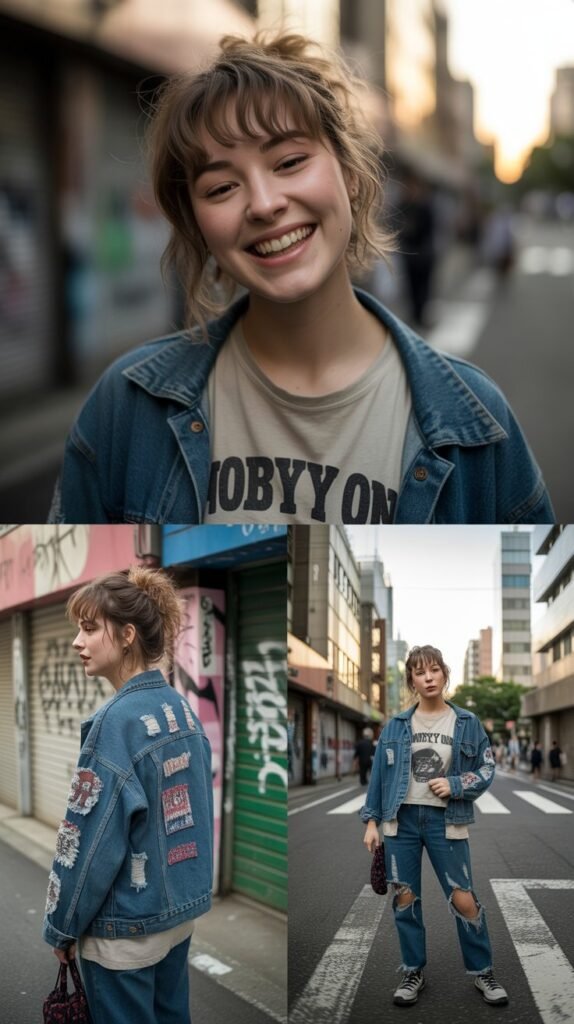
Japanese punk fashion during Y2K maintained the DIY ethos while incorporating Tokyo’s unique aesthetic sensibilities.
This style celebrated individuality, anti-establishment attitudes, and creative self-expression through clothing modification.
- DIY modifications including hand-painted designs, sewn patches, and strategic distressing personalized mass-produced garments.
- Band tees from Japanese and international punk bands served as both fashion and political statements.
- Plaid bondage pants or torn jeans with chains attached embodied punk’s rebellious aesthetic.
- Combat boots or Doc Martens provided practical, durable footwear aligned with punk values.
- Mohawks, liberty spikes, or brightly colored hair demonstrated commitment to the subcultural identity.
- Handmade accessories including studded bracelets, safety pin earrings, and DIY patches maintained authenticity.
27. J-Pop Idol Inspired
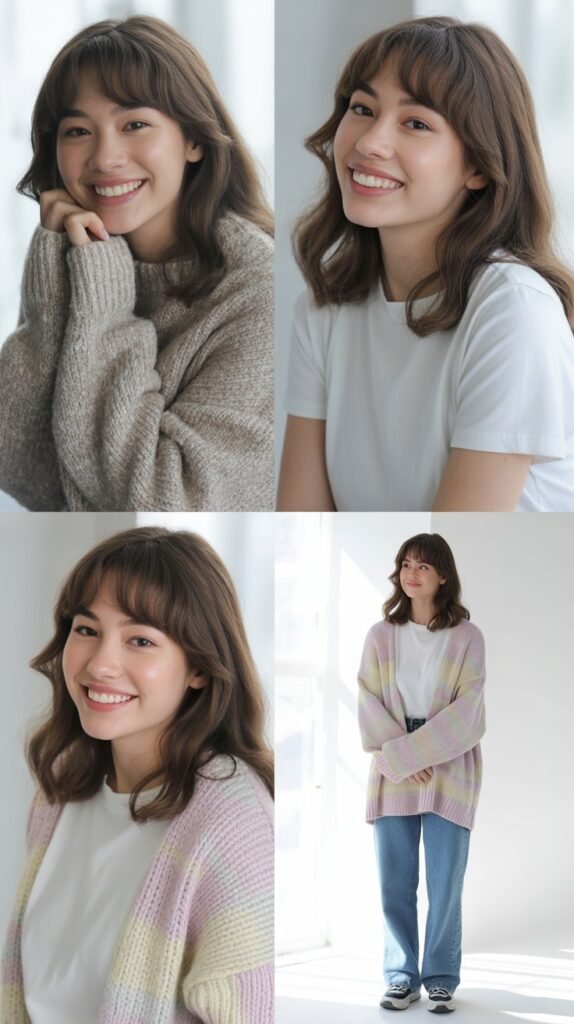
Y2K J-pop idols influenced mainstream fashion as fans emulated their favorite performers’ stage and casual styles. This aesthetic brought performance fashion into everyday wardrobes through accessible interpretations.
- Coordinated group outfits in matching colors with slight variations reflected idol group aesthetic concepts.
- Micro mini skirts or shorts paired with cropped tops referenced common idol performance costumes.
- Platform sneakers or colorful boots added height and visual interest while allowing movement for dancing.
- Cute styling including pigtails, hair ribbons, and playful makeup maintained the idol’s youthful image.
- Branded merchandise worn as fashion statements demonstrated fan dedication and cultural participation.
- Accessories including colorful phone charms, character goods, and idol-branded items extended the fashion into lifestyle.
28. Neo-Kimono Modern Fusion
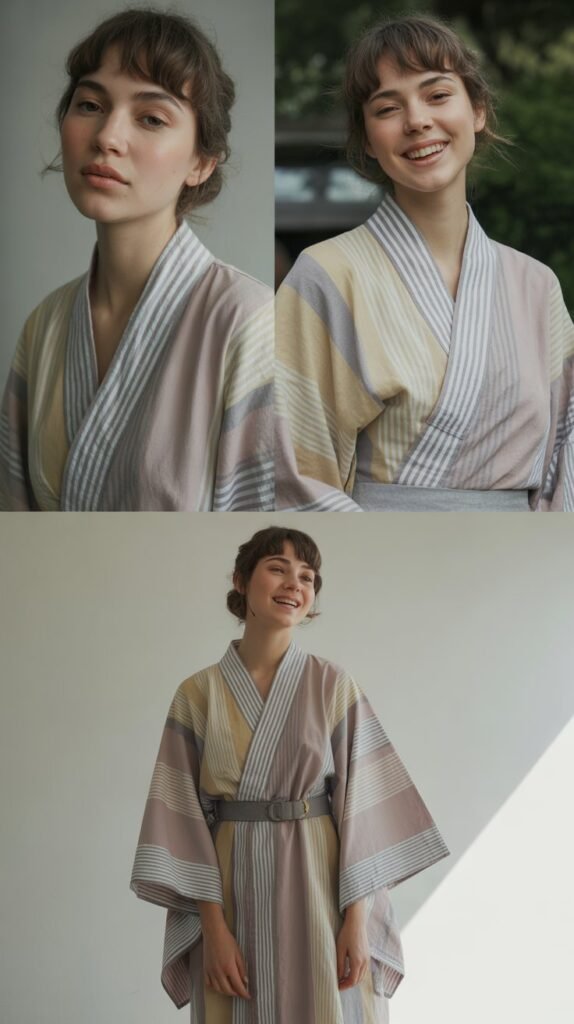
Y2K Japanese designers experimented with traditional kimono elements in contemporary fashion, creating fusion pieces that honored heritage while embracing modernity.
This style demonstrated cultural pride through innovative design.
- Kimono-inspired jackets or coats with wide sleeves and wraparound closures translated traditional silhouettes into everyday wear.
- Obi belts worn over Western clothing created instant cultural fusion and cinched waistlines dramatically.
- Traditional Japanese prints including cherry blossoms, waves, or geometric patterns appeared on modern garment constructions.
- Contemporary materials like denim or synthetic fabrics updated ancient textile traditions for practical modern use.
- Asymmetrical hemlines and modern cuts prevented the look from becoming costume rather than fashion.
- Minimal accessorizing allowed the cultural fusion elements to remain the outfit’s focal point.
29. Tokyo Art School Experimental
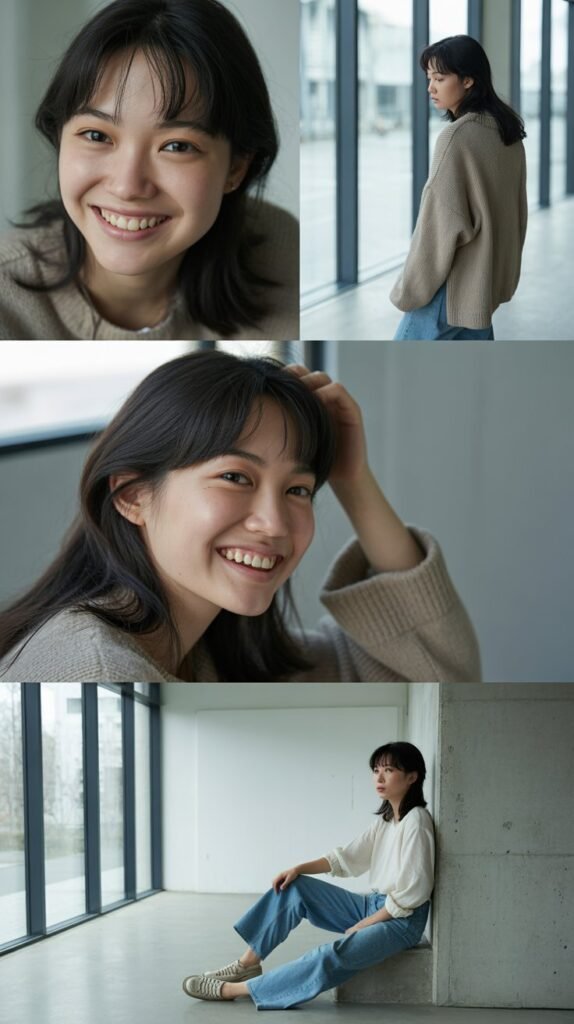
Art school students in Tokyo pushed Y2K fashion boundaries through experimental, conceptual approaches to dress. This style treated clothing as wearable art and challenged conventional fashion rules.
- Unconventional materials including newspaper, plastic, metal, or found objects challenged traditional fabric expectations.
- Sculptural silhouettes that prioritized artistic expression over conventional flattery or comfort.
- Asymmetrical constructions and unexpected proportions created visual intrigue and challenged balance expectations.
- Mixed media approaches combined painting, collage, or other art techniques directly onto garments.
- Conceptual themes explored through clothing created narrative or philosophical statements beyond aesthetics.
- Performance elements including interactive pieces or garments that transformed demonstrated fashion’s artistic potential.
30. Casual Kireime Polished Simplicity
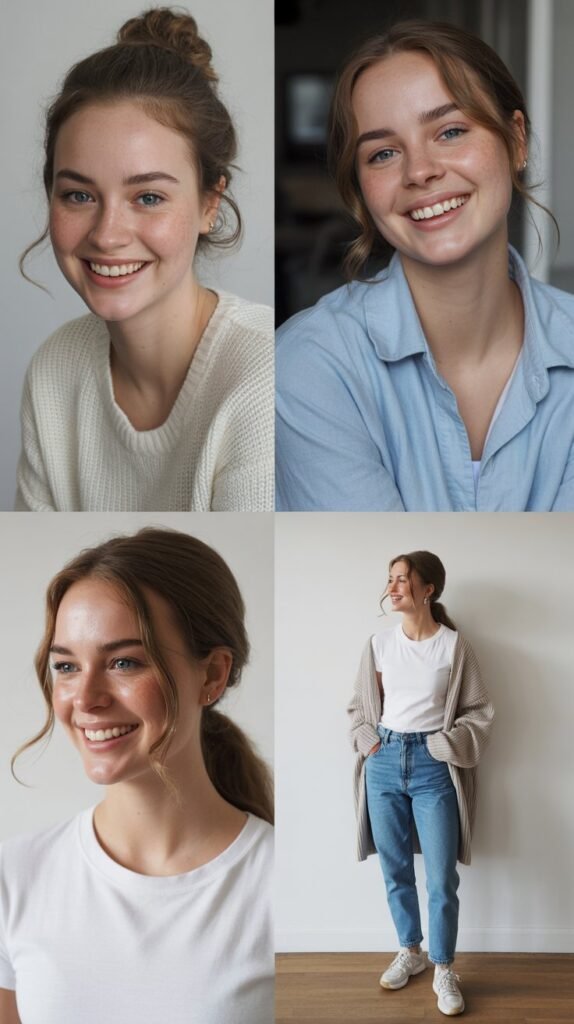
Kireime style represented a polished, put-together aesthetic that maintained Y2K trends while emphasizing cleanliness and sophistication.
This approach appealed to those wanting current fashion without subculture extremes.
- Quality basic pieces in flattering cuts served as the foundation for versatile, polished outfits.
- Neutral color palettes with occasional accent colors maintained sophistication while allowing personality expression.
- Well-fitted jeans or trous paired with tucked-in blouses created clean lines and proportional balance.
- Minimal but quality accessories including watches, simple jewelry, and leather goods elevated casual outfits.
- Hair and makeup maintained a natural, polished appearance without dramatic styling or colors.
- Clean sneakers, simple heels, or classic flats provided practical footwear that didn’t compromise the refined aesthetic.
Conclusion
The fusion of Japanese creativity and Y2K aesthetics created a fashion legacy that continues influencing contemporary style worldwide.
These 30 Japanese-Inspired Y2K Fashion Looks represent just a glimpse into the incredibly diverse, innovative, and boundary-pushing fashion culture that flourished in Tokyo during the millennium era.
From the maximalist explosion of Harajuku Decora to the refined simplicity of Kireime styling, Japanese Y2K fashion proved that self-expression knows no limits when creativity meets courage.
Whether you choose to embrace one specific aesthetic or mix elements from multiple looks, the spirit of experimentation and individuality that defined this era remains timeless.
The beauty of these styles lies not in perfect replication but in understanding their essence and adapting them to express your unique identity today.