
27 Early 2000s Dress Outfits Black Women Rocked
The early 2000s was a transformative era for fashion, where Black women emerged as powerful trendsetters who redefined style with bold creativity and unapologetic confidence.
From red carpets to music videos, street style to award shows, Black women brought an unmatched energy to Y2K fashion that continues to inspire today’s trends.
This period gave us iconic moments that blended glamour with edge, femininity with strength, and luxury with street culture in ways that had never been seen before.
The dress outfits from this era weren’t just clothes—they were statements of identity, culture, and empowerment that pushed fashion boundaries and created new standards of beauty.
Whether it was body-hugging silhouettes, metallic fabrics, denim everything, or the perfect blend of casual and couture, these looks defined a generation.
In this comprehensive guide to 27 Early 2000s Dress Outfits Black Women Rocked, we’ll explore the most memorable and influential dress styles that made this decade unforgettable, from velour tracksuits paired with heels to sleek slip dresses and everything in between.
Get ready to relive the fashion moments that shaped modern style and discover why these early 2000s looks remain timelessly fresh and endlessly influential in today’s fashion landscape.
1. The Velour Tracksuit Dress Hybrid
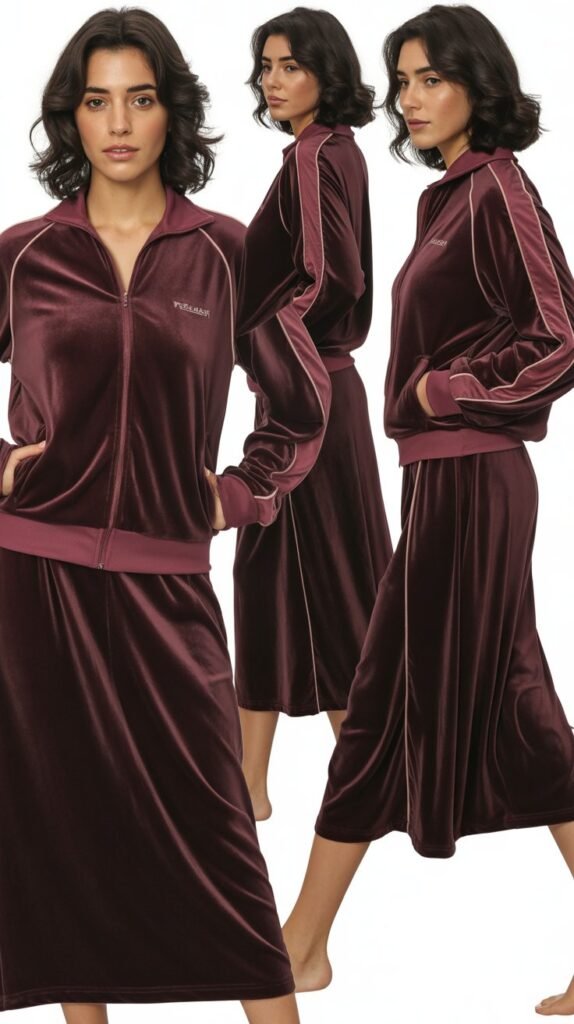
The velour tracksuit dress represented the perfect marriage between comfort and glamour that defined early 2000s fashion philosophy.
Black women transformed what could have been purely casual athleisure into sophisticated street style by pairing these plush pieces with statement jewelry, designer bags, and heels.
- The velour tracksuit dress came in rich jewel tones like emerald green, hot pink, and deep purple that complemented deeper skin tones beautifully.
- These outfits were elevated with zip-up details, monogram patterns, and crystal embellishments that added luxury to the casual silhouette.
- Black women styled these pieces with sleek ponytails, baby hairs laid to perfection, and glossy lips that became signature beauty looks.
- The dress version maintained the tracksuit’s relaxed fit while adding feminine flair through shorter hemlines and figure-skimming cuts.
- Brands like Juicy Couture and Baby Phat became cultural phenomena largely because of how Black women championed and elevated their designs.
2. Metallic Mini Dress Moments
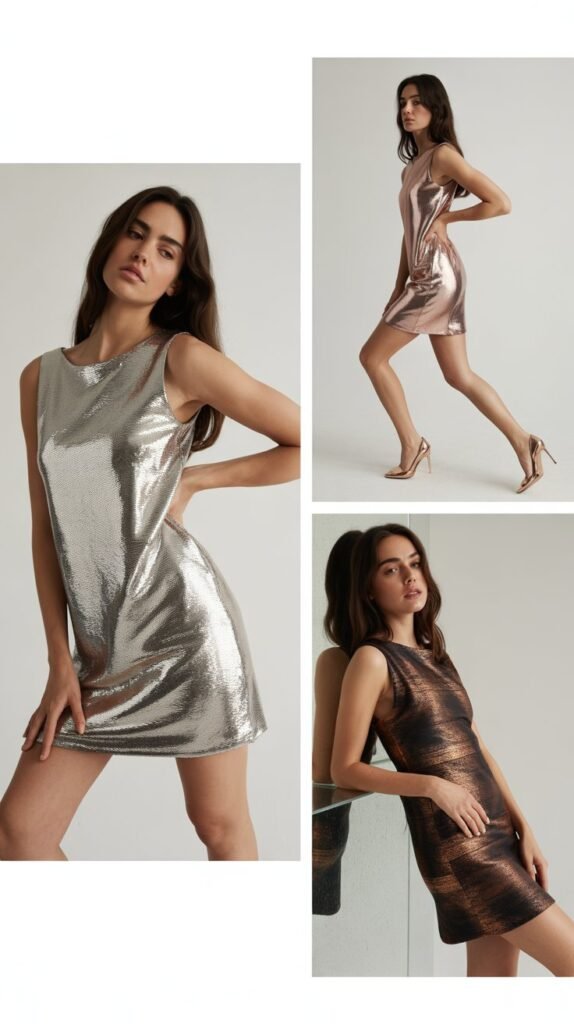
Metallic mini dresses captured the futuristic optimism of the new millennium while allowing Black women to shine literally and figuratively.
These reflective pieces became go-to options for parties, music videos, and nightlife scenes throughout the early 2000s.
- The metallic trend included liquid metal fabrics, sequined surfaces, and holographic materials that caught light from every angle.
- Black women paired these bold dresses with minimal accessories, letting the dress itself be the statement piece of the outfit.
- Popular styling included wearing these minis with chunky platform shoes or stiletto heels that added extra height and drama.
- Hair was typically styled bone-straight, in tight curls, or pulled back completely to keep the focus on the dress and the body.
- These dresses worked across body types because the stretchy fabrics hugged curves in ways that celebrated rather than concealed.
- Music videos from Destiny’s Child, Aaliyah, and other Black artists popularized this trend and made it accessible to mainstream audiences.
3. Denim Dress Innovations
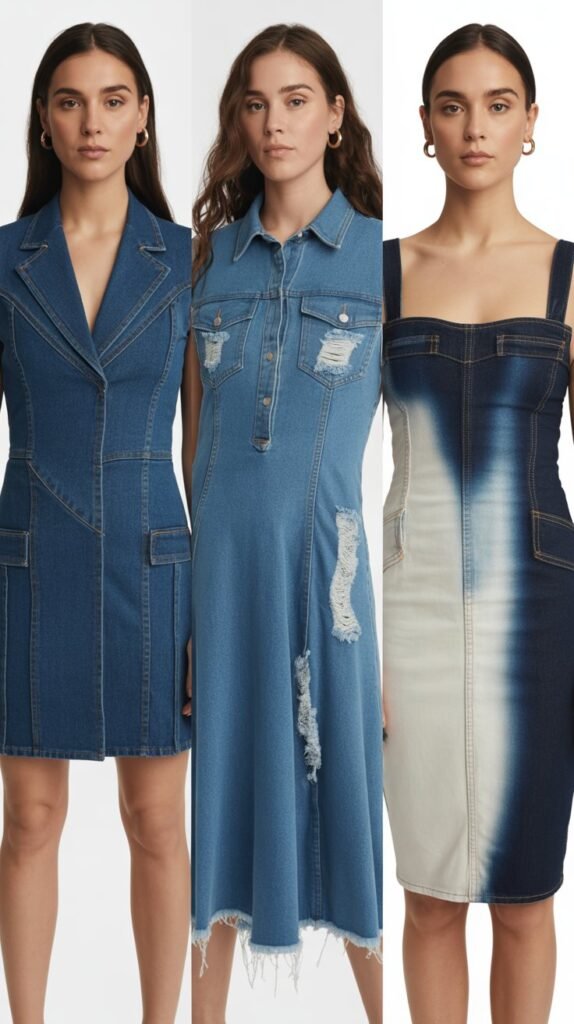
Denim dresses in the early 2000s went far beyond basic jean material, incorporating everything from embellishments to unconventional cuts.
Black women showed incredible creativity in styling these versatile pieces for various occasions.
- The denim-on-denim trend extended to dresses with mixed washes, creating visual interest through contrasting light and dark blues.
- Embellishments included rhinestones, embroidery, painted designs, and strategic distressing that made each piece unique.
- Black women often personalized their denim dresses with custom patches, pins, and iron-on designs that reflected their personalities.
- These dresses ranged from ultra-mini lengths to floor-grazing maxis, offering options for different comfort levels and occasions.
- Styling often included layering with graphic tees underneath, creating a casual layered look that was quintessentially Y2K.
- The versatility of denim dresses meant they could transition from day to night with simple accessory changes.
4. The Baby Tee Dress Revolution
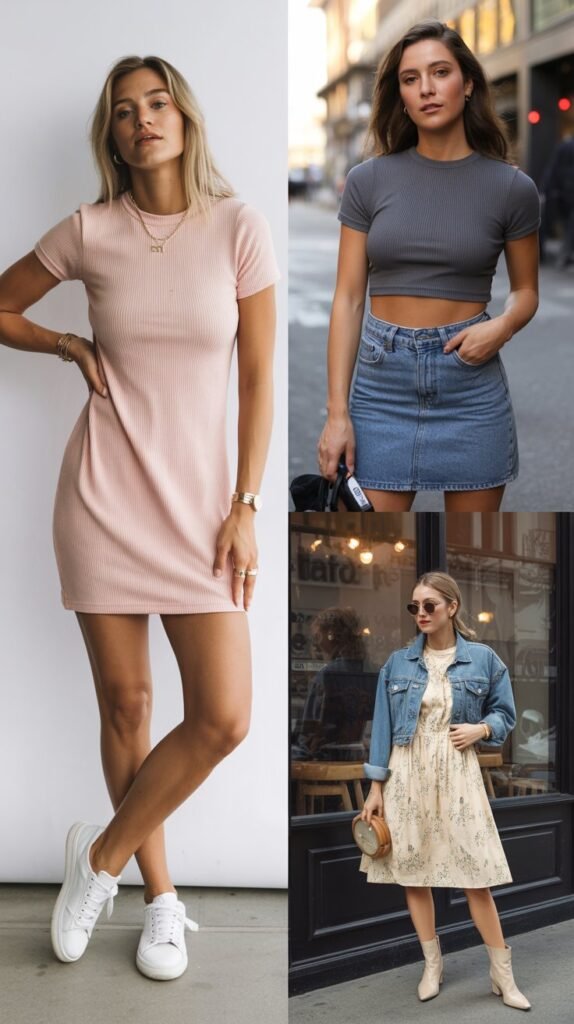
The baby tee dress took the popular fitted t-shirt trend and extended it into a playful, youthful dress silhouette.
Black women embraced this style as a way to showcase their figures while maintaining a casual, approachable vibe.
- These ultra-fitted dresses typically featured bold graphics, brand logos, or playful text that made statements without saying a word.
- The length usually hit mid-thigh, creating a flirty silhouette that was popular in both street style and celebrity fashion.
- Black women styled these with everything from Timberlands to delicate sandals, showing the dress’s remarkable versatility.
- Layering was key—many wore these dresses over flared jeans or low-rise pants for a unique doubled-up look.
- Colors ranged from pastel pinks and baby blues to bold primaries and neons that popped against darker skin tones.
- The stretchy rib-knit fabric hugged curves and moved with the body, making these dresses both comfortable and flattering.
- Accessorizing often included chokers, small shoulder bags, and tinted sunglasses that completed the casual-cool aesthetic.
5. Slip Dress Elegance
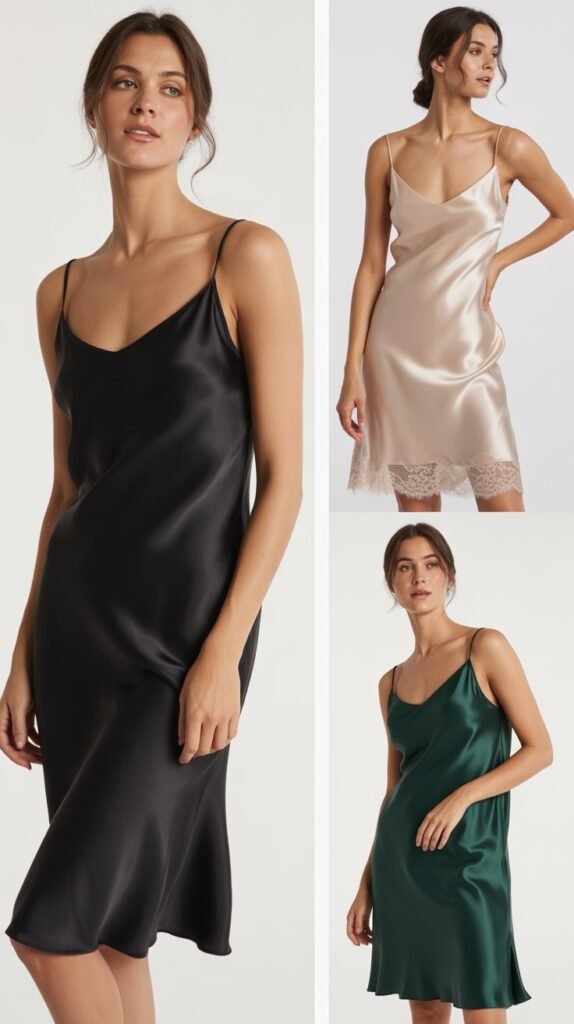
Slip dresses brought a sense of refined sensuality to early 2000s fashion, and Black women wore them with an effortless sophistication. These silky pieces could be dressed up or down depending on styling choices.
- The bias-cut construction of slip dresses allowed them to drape beautifully over curves, creating an elegant and fluid silhouette.
- Black women often layered these dresses over fitted turtlenecks or t-shirts for a trend-forward approach that added dimension.
- Popular styling included pairing slip dresses with leather jackets or denim jackets for a high-low mix that felt fresh and modern.
- The color palette ranged from classic neutrals like champagne and taupe to rich jewel tones that complemented melanin beautifully.
- Lace-trimmed versions added a romantic element that became especially popular for date nights and special occasions.
- These dresses could transition from day to night simply by changing footwear from sandals to heels and adding statement jewelry.
6. The Handkerchief Hem Phenomenon
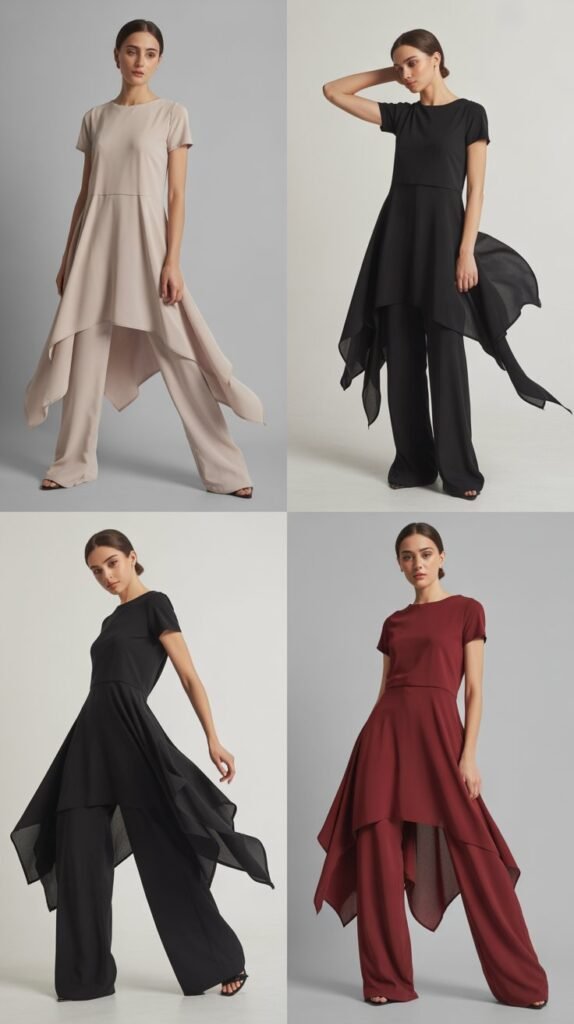
Handkerchief hem dresses featured asymmetrical, pointed hemlines that created movement and visual interest.
Black women embraced this style for its ability to flatter various body types while offering something different from standard hemlines.
- The uneven hemline drew the eye in multiple directions, creating a slimming effect that many found flattering.
- These dresses came in everything from solid colors to bold prints, with the hem style adding extra dimension to any pattern.
- Black women often paired these with chunky jewelry and statement belts that emphasized the waist and complemented the flowing hem.
- The style worked across seasons—paired with sandals in summer and boots in cooler months.
- Many versions incorporated multiple fabric layers in the handkerchief points, creating additional texture and movement.
- This silhouette was particularly popular for semi-formal events where something unique but not overly formal was desired.
- The hem style also allowed for creative customization, with many adding beading or trim to the pointed edges.
7. Logo Mania Dress Styles
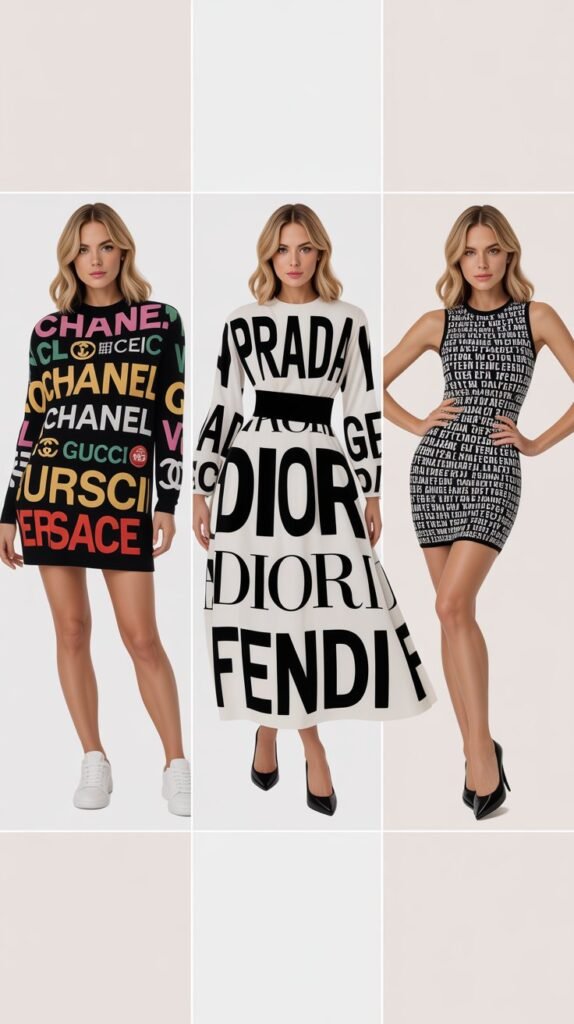
The early 2000s saw an explosion of visible branding, and logo dresses became status symbols that Black women wore with pride.
These pieces made designer affiliations immediately obvious and became part of the era’s aspirational fashion culture.
- Monogram patterns covered entire dresses, creating bold visual statements that were unmistakably branded.
- Black women mixed high and low, pairing logo dresses from luxury brands with more affordable accessories or vice versa.
- The trend included oversized logos, repeating patterns, and brand names spelled out across the chest or hemline.
- Popular brands that dominated this space included brands with instantly recognizable patterns and lettering.
- Styling often involved coordinating the logo dress with matching accessories for a head-to-toe branded look.
- These dresses became particularly popular in hip-hop culture, appearing frequently in music videos and on red carpets.
- The confidence required to wear such bold branding made these outfits particularly powerful statements of self-assurance.
8. Halter Neck Dress Domination
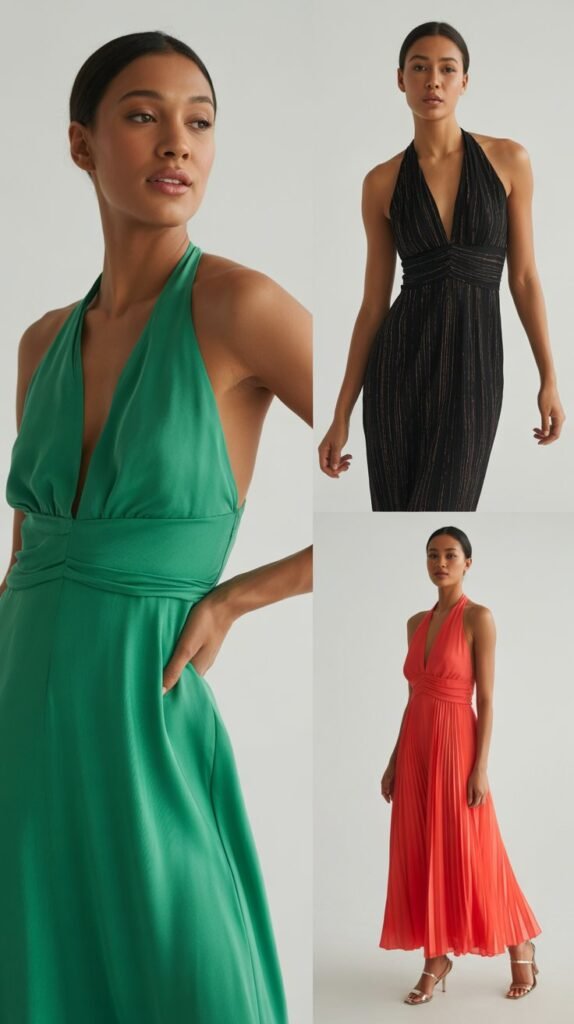
Halter neck dresses emphasized shoulders and collarbones while offering back exposure that felt both sophisticated and sexy.
Black women showcased the versatility of this neckline across countless occasions and settings.
- The halter neckline drew attention upward, highlighting facial features and creating an elongated appearance.
- Black women with broader shoulders particularly embraced this style as it celebrated rather than minimized their athletic builds.
- These dresses ranged from casual cotton sundresses to formal floor-length gowns, all sharing the signature neckline.
- Popular styling included statement earrings that complemented the neck and shoulder exposure.
- Hair was often worn up or swept to one side to showcase the unique neckline and back design.
- The style provided excellent support without traditional straps, making it practical as well as fashionable.
- Many versions included keyhole cutouts or additional back details that added extra visual interest.
9. Mesh and Sheer Overlay Dresses
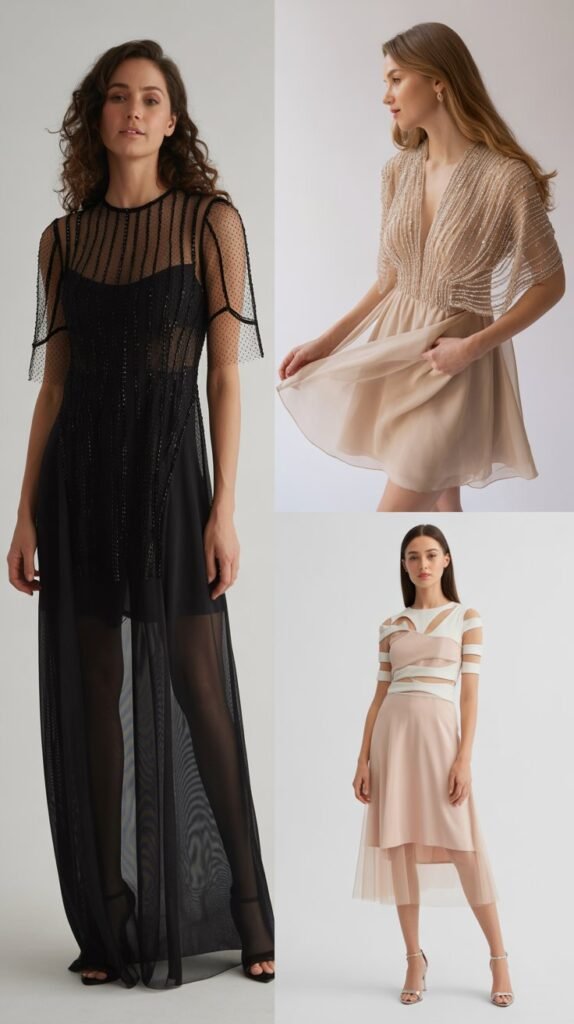
Mesh and sheer overlays added dimension and intrigue to early 2000s dresses, allowing Black women to play with revealing and concealing simultaneously.
This trend walked the line between modesty and sexiness in innovative ways.
- The layering technique allowed for creative expression with different colored underlays showing through sheer top layers.
- Black women often chose nude or contrasting underlays depending on whether they wanted a subtle or dramatic effect.
- Mesh sections were strategically placed to highlight or de-emphasize different body areas according to personal preference.
- These dresses came in both bodycon and flowing silhouettes, with the sheer element adding texture to either style.
- The trend included everything from subtle mesh sleeves to entirely sheer dresses worn over coordinated slips.
- Embellished mesh—featuring rhinestones, sequins, or embroidery—elevated the look for evening events and special occasions.
10. The Wrap Dress Renaissance
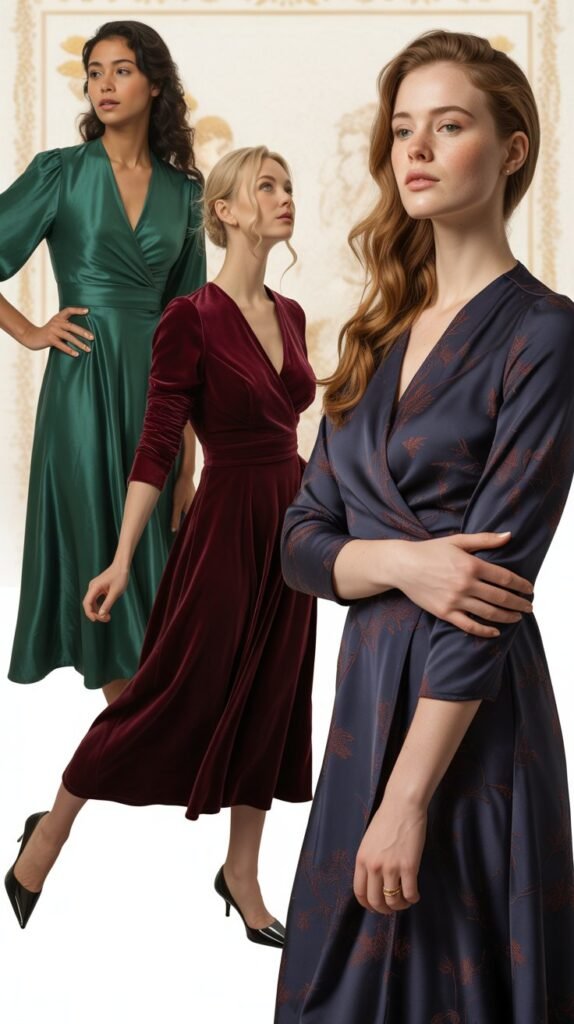
Wrap dresses experienced renewed popularity in the early 2000s, and Black women appreciated both the flattering fit and the adjustability these designs offered.
The classic silhouette received contemporary updates that made it feel fresh and modern.
- The adjustable waist tie allowed for customizable fit that accommodated different body types and proportions beautifully.
- Black women styled wrap dresses for everything from office wear to evening events, showcasing remarkable versatility.
- Updated versions included asymmetrical hemlines, exaggerated sleeves, and unexpected fabric choices that modernized the classic design.
- The V-neckline created by the wrap style was universally flattering and could be adjusted for more or less coverage.
- Bold prints—from animal patterns to geometric designs—were particularly popular in wrap dress styles during this era.
- The cinched waist effect emphasized hourglass figures and created shape even on straighter body types.
- Many Black women appreciated that wrap dresses could be dressed up with heels and jewelry or down with sandals and minimal accessories.
11. Cut-Out Dress Innovations
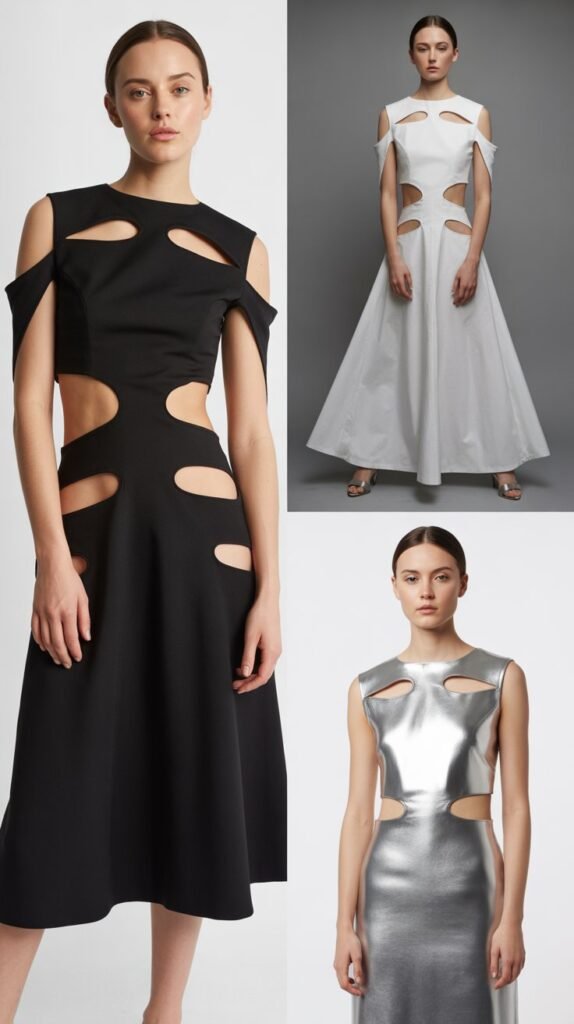
Strategic cut-outs allowed Black women to show skin in controlled, artistic ways that felt modern and bold.
These dresses featured negative space as a design element, creating visual interest through what was removed rather than added.
- Cut-outs appeared at the midriff, sides, shoulders, back, and chest, offering options for different comfort levels with exposure.
- The negative space created by cut-outs was often geometric or curved, adding architectural interest to the garment.
- Black women with toned physiques particularly embraced this trend as a way to showcase their fitness and body confidence.
- These dresses required careful undergarment selection, leading to innovations in adhesive bras and seamless solutions.
- The cut-out trend worked across dress lengths from mini to maxi, with placement varying based on overall design.
- Many versions combined multiple cut-out locations, creating complex patterns of skin and fabric that were visually striking.
- Styling was typically minimal to let the dress design speak for itself, though statement earrings remained popular.
12. Tie-Dye and Print Explosion Dresses
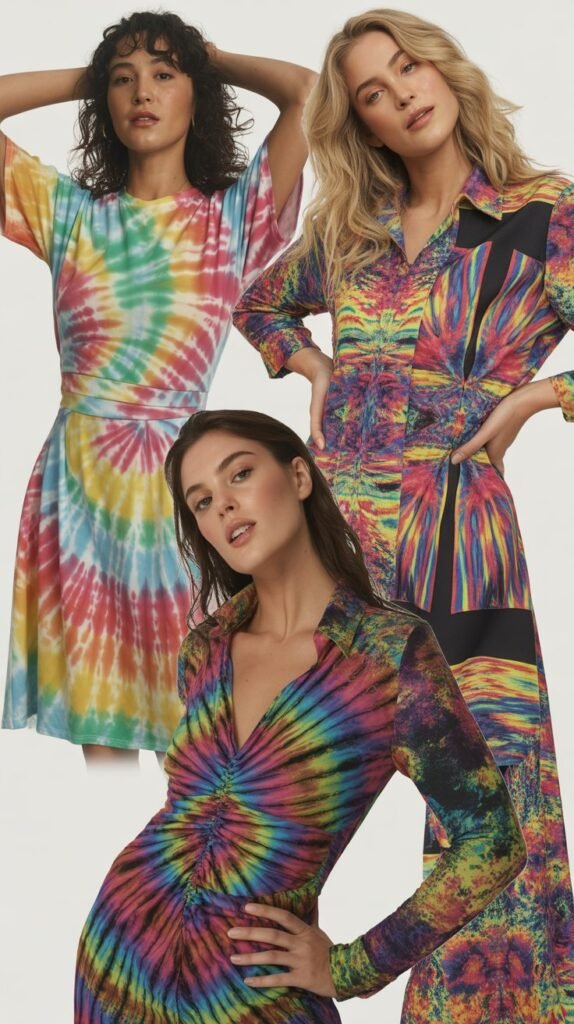
Bold prints and tie-dye patterns dominated early 2000s fashion, and Black women wore these eye-catching dresses with confidence and flair. The more colorful and unexpected the pattern, the better.
- Tie-dye extended beyond traditional hippie styles to include modern techniques with unexpected color combinations.
- Black women often chose colors that complemented their skin tones, with jewel tones and neons being particularly popular.
- Mixed prints—combining different patterns in one garment—challenged traditional fashion rules and created unique looks.
- Animal prints from zebra to leopard appeared on everything from mini dresses to flowing maxis.
- The bold patterns meant accessories could be minimal, letting the dress provide all the visual interest needed.
- Customization was common, with many creating their own tie-dye dresses or adding paint and embellishments to existing pieces.
- These dresses became staples for festivals, concerts, and casual social events where making a statement was encouraged.
13. The Bodycon Bandage Dress
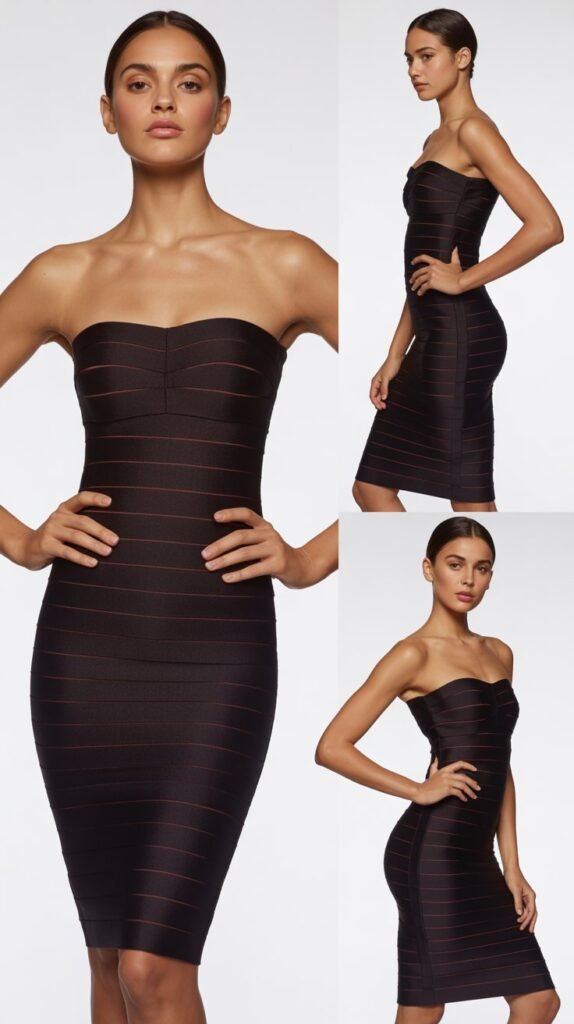
Bodycon bandage dresses sculpted the figure with their tight, structured construction, and Black women celebrated their curves in these figure-hugging designs.
These dresses represented confidence and body positivity at their finest.
- The bandage construction—made from strips of fabric—provided compression and shaping that enhanced natural curves.
- Black women across all body sizes embraced these dresses, celebrating diverse body types rather than limiting them to one ideal.
- Colors ranged from classic black and white to bold reds, blues, and even metallic finishes that caught attention.
- The thick, structured fabric smoothed lines while hugging curves, creating a polished silhouette without shapewear.
- These dresses typically hit above or at the knee, with the length drawing attention to legs and creating vertical lines.
- Styling was deliberately simple—the dress did all the work, so accessories remained minimal and refined.
- Hair and makeup were typically glamorous to match the sophisticated, sexy vibe of the bodycon silhouette.
14. Off-Shoulder and Cold-Shoulder Styles
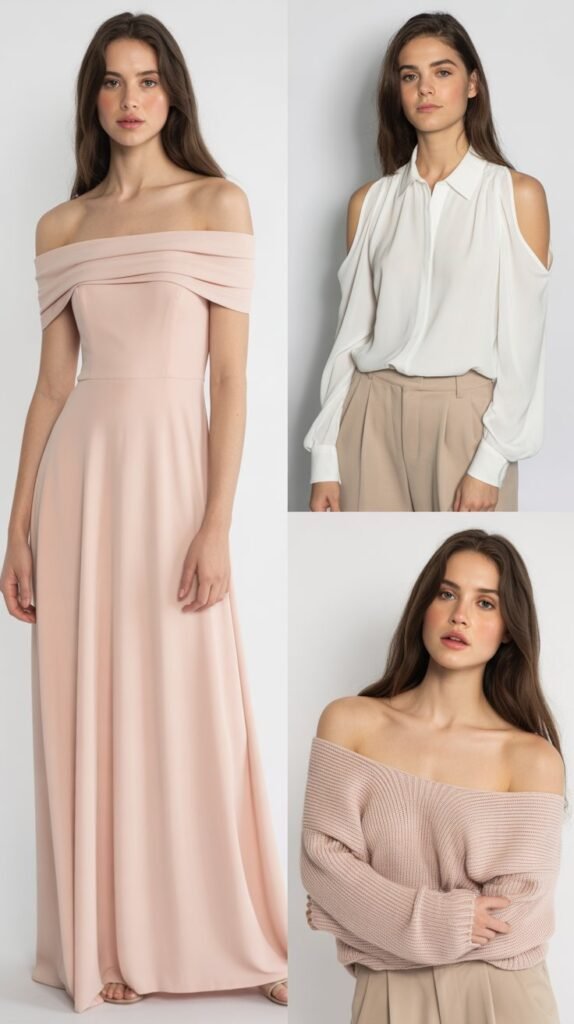
Shoulder-baring dress styles allowed Black women to highlight their décolletage and arms while maintaining coverage elsewhere. These styles ranged from romantic off-shoulder to edgy cold-shoulder cuts.
- Off-shoulder styles created a romantic, feminine look that was popular for both casual and dressy occasions.
- The bardot neckline—sitting just off the shoulders—became particularly iconic during this period.
- Cold-shoulder designs featured shoulder cut-outs while maintaining upper arm coverage, offering a modern twist.
- Black women often emphasized shoulders and collarbones with highlighting makeup techniques that complemented the exposure.
- These styles worked across seasons, with summer versions in light fabrics and fall/winter options incorporating sleeves and heavier materials.
- The neckline style was universally flattering, working across different body types and proportions.
- Accessorizing focused on earrings and necklaces that complemented rather than competed with the shoulder emphasis.
15. Maxi Dress Casual Elegance
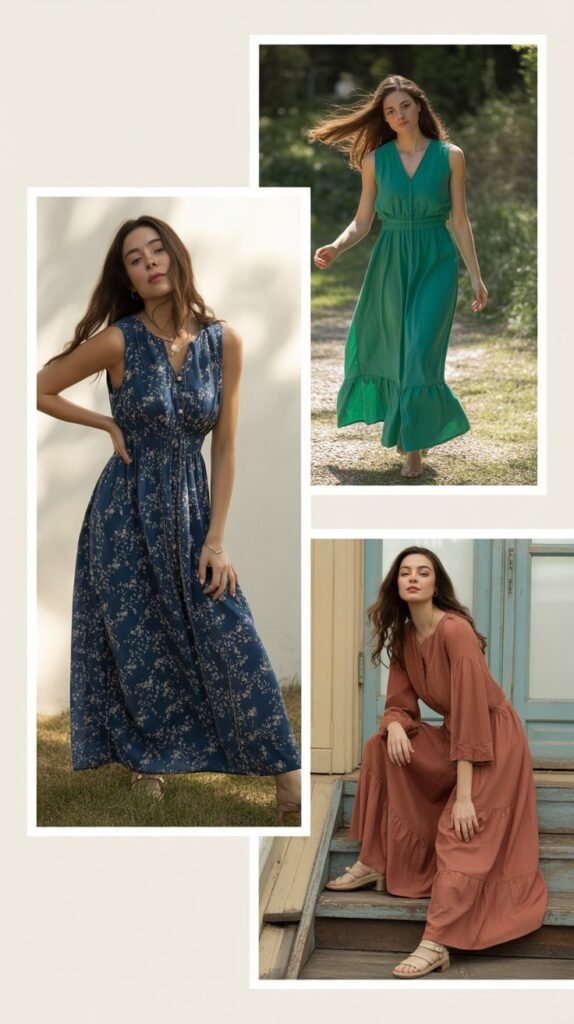
Maxi dresses offered flowing, floor-length elegance that Black women styled for both casual daywear and evening events. These dresses provided comfort without sacrificing style, becoming wardrobe staples.
- The flowing length created elongating vertical lines that were particularly flattering for various heights.
- Black women paired casual maxi dresses with flat sandals or sneakers for relaxed, effortless style.
- Evening versions featured luxurious fabrics like silk, chiffon, and velvet that transformed the casual silhouette into formal wear.
- Bold prints and colors were popular, with many choosing vibrant patterns that made statements.
- The comfort factor made maxis popular for extended wear at events, travel, and all-day activities.
- Many styles included empire waists, defined waistlines, or strategic gathering that created shape within the flowing silhouette.
- Layering with denim jackets or leather pieces added edge and versatility to the feminine maxi dress base.
16. Studded and Embellished Drama
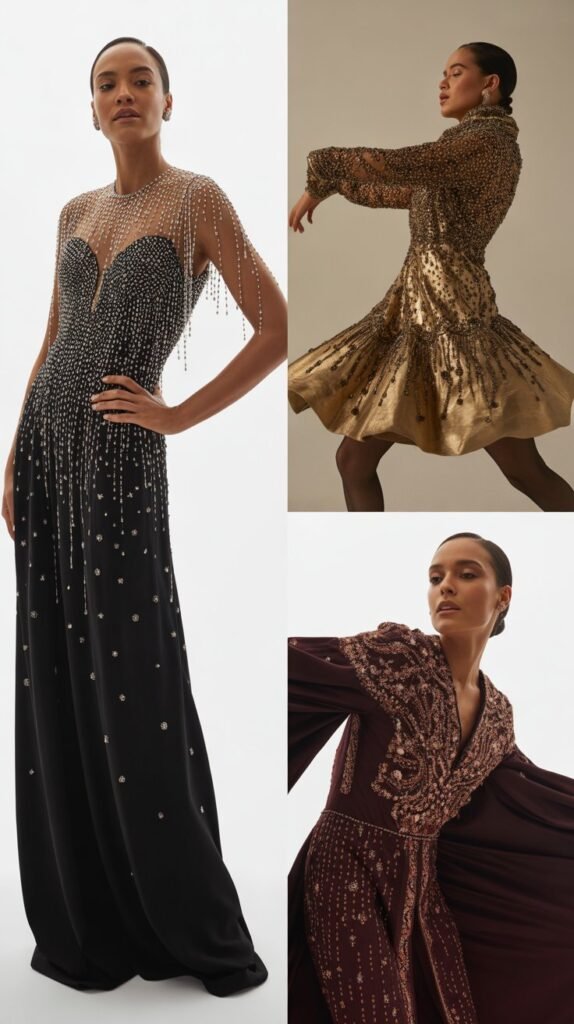
Studs, rhinestones, and embellishments transformed simple dresses into statement pieces that caught light and attention.
Black women used these decorated dresses to showcase personality and make memorable impressions.
- Embellishments appeared in patterns from all-over coverage to strategic placement that highlighted specific body areas.
- The added texture and dimension meant these dresses photographed beautifully, making them popular for events and nightlife.
- Black women often let the embellished dress be the focal point, keeping hair and makeup complementary but not competing.
- Stud patterns ranged from delicate scattered details to bold geometric designs that created graphic effects.
- Color choices often included black bases with metallic embellishments that provided contrast and shine.
- These dresses required careful care and storage but remained investment pieces that made multiple appearances.
- The weight of heavy embellishment added structure and changed how fabrics draped and moved on the body.
17. The Tube Dress Comeback
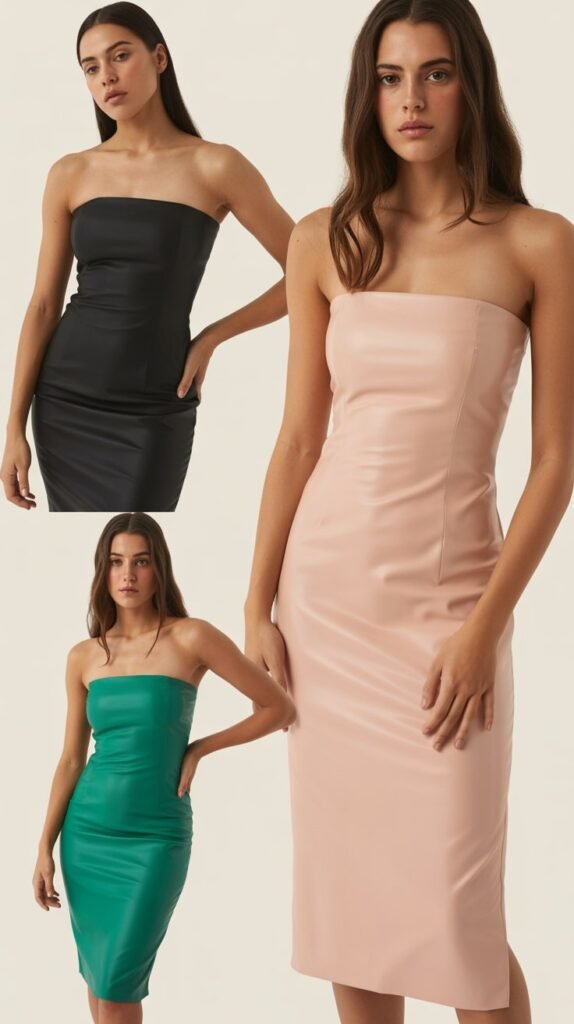
Strapless tube dresses made a significant comeback in the early 2000s, and Black women wore them with confidence and creative styling. These simple silhouettes became canvases for personal expression.
- The strapless design required proper fit and often built-in boning or grip strips that kept dresses securely in place.
- Black women styled tube dresses with bold jewelry—particularly statement necklaces—that filled the bare chest and shoulder area.
- These dresses came in both fitted and loose interpretations, offering options for different style preferences.
- Layering with shrugs, boleros, or jackets added versatility and allowed for temperature and occasion adjustments.
- The simple silhouette worked across seasons with fabric choices ranging from cotton jersey to silk and velvet.
- Many versions included ruching, gathering, or pleating that added texture and visual interest to the straightforward design.
- Hair styling typically kept hair off shoulders to maintain the clean lines and shoulder exposure the tube dress offered.
18. Asymmetrical Hemline Innovation
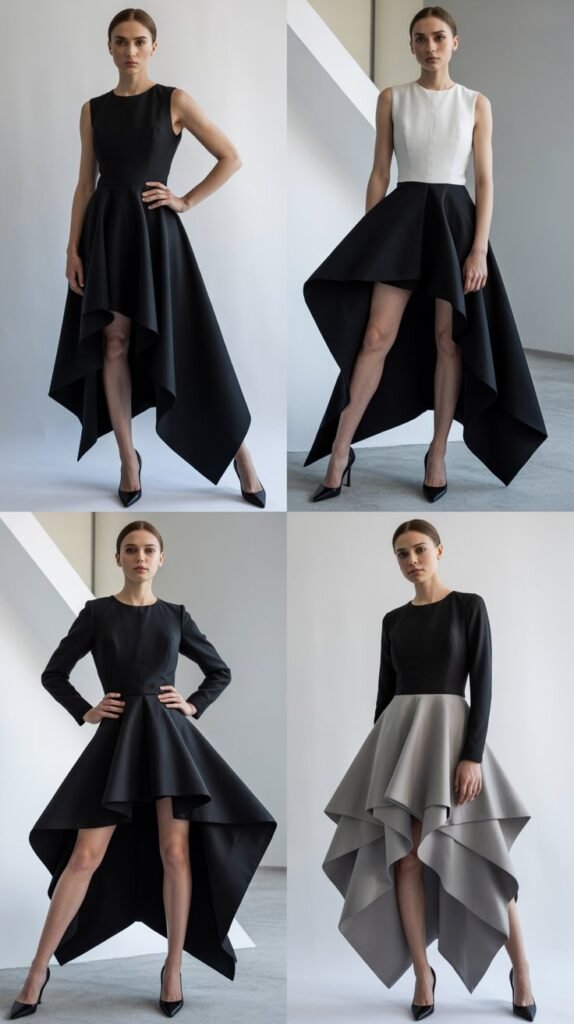
Asymmetrical hemlines—higher in front and longer in back—became signature early 2000s looks that Black women used to showcase legs while maintaining coverage. This style balanced flirtiness with elegance perfectly.
- The high-low hemline created visual interest and movement that standard hemlines couldn’t match.
- Black women appreciated the versatility—showing leg in front while having more coverage in back.
- These dresses often featured longer trains in back that created dramatic effects when walking or posing.
- The style worked across dress types from casual jersey to formal eveningwear with equal success.
- Footwear choices became particularly important, as the front exposure highlighted shoes and legs prominently.
- Many designs incorporated the asymmetry into the overall garment structure rather than just at the hem.
- The hemline style photographed beautifully from multiple angles, making these dresses popular for events and social media.
19. Cargo and Utility Dress Adaptations
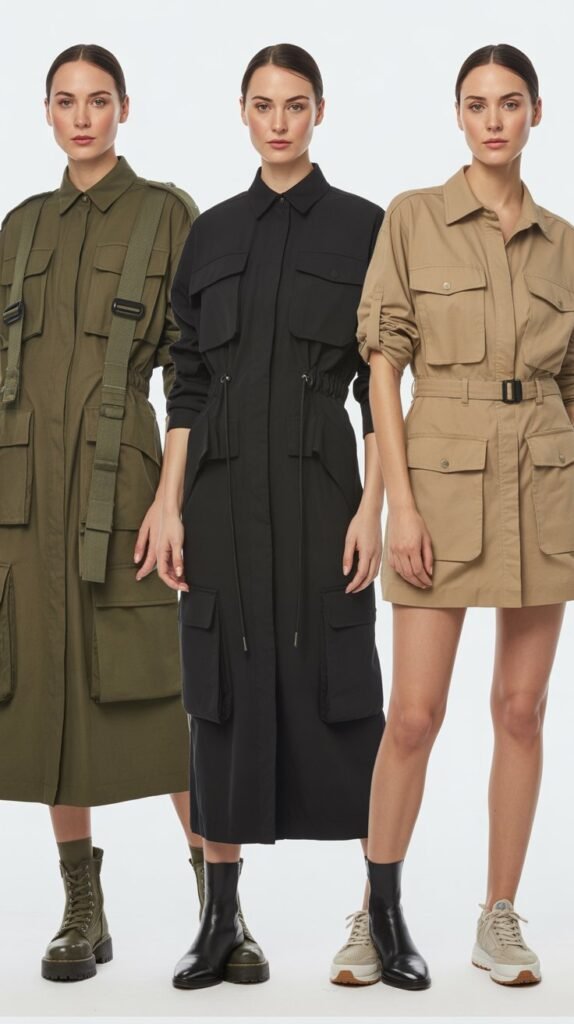
Military and utility influences translated into dress designs that combined functionality with femininity. Black women embraced these practical yet stylish pieces that brought street credibility to dress categories.
- Cargo pockets appeared on dress designs, adding both visual interest and actual functionality to the feminine silhouette.
- Neutral color palettes of olive, tan, khaki, and black dominated this trend, though some incorporated brighter accents.
- Black women paired these dresses with combat boots, sneakers, or chunky shoes that emphasized the utilitarian aesthetic.
- Details like D-rings, carabiner clips, and military-inspired buttons added authentic utility references to the designs.
- The dresses ranged from fitted shirt-dress styles to looser, more relaxed silhouettes inspired by actual military uniforms.
- Belted waists were common, cinching in the structured fabric and creating shape from the boxy base.
- This style represented the era’s fascination with mixing traditional masculinity with femininity in unexpected ways.
20. Sweater Dress Sophistication
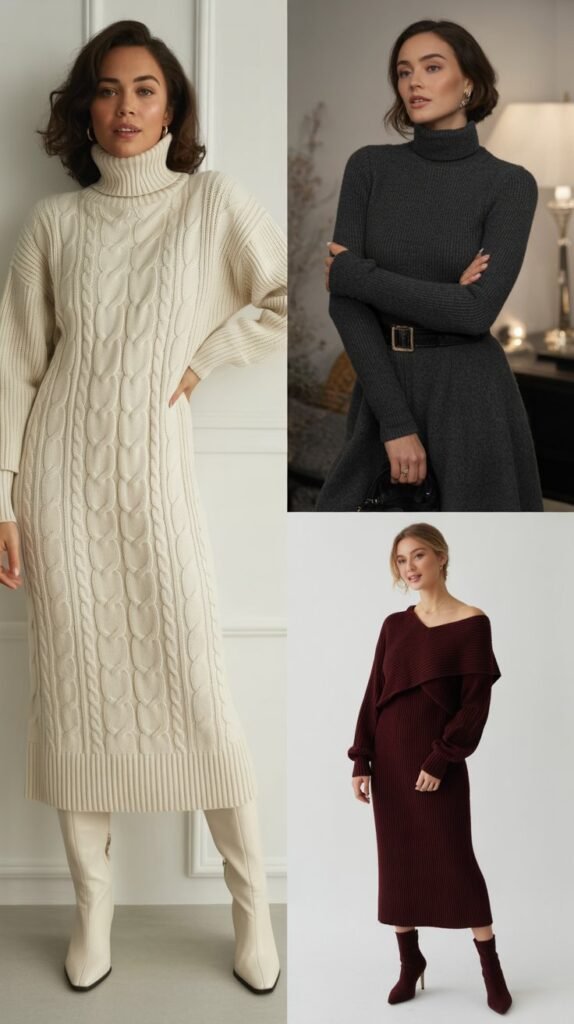
Sweater dresses offered warmth and texture while maintaining feminine silhouettes during cooler months. Black women styled these cozy pieces with creativity that took them beyond basic cold-weather coverage.
- Chunky knit textures added dimension and visual interest that flat fabrics couldn’t provide.
- The dresses came in lengths from mini to midi, with each length offering different styling possibilities.
- Black women often layered these over turtlenecks, collared shirts, or wore with tights and boots for varied looks.
- Colors ranged from neutral creams and grays to bold jewel tones that popped against winter’s typically muted palette.
- Fitted sweater dresses hugged curves and showcased figures even while providing warmth and coverage.
- Cable knit patterns, ribbing, and mixed knit techniques created texture that made solid colors more interesting.
- Accessorizing with belts over sweater dresses became popular, defining waists and adding shape to looser styles.
21. Shirt Dress Versatility
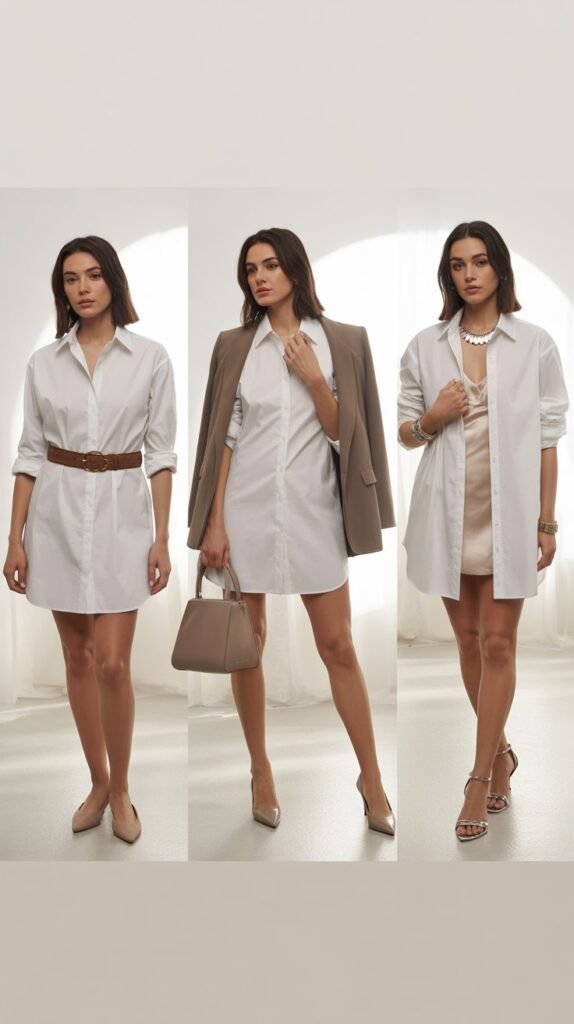
Shirt dresses borrowed from menswear aesthetics but were tailored and styled in distinctly feminine ways. Black women appreciated the versatility and the ability to dress these pieces up or down dramatically.
- The button-front design allowed for adjustable necklines and the option to wear fully buttoned or casually open.
- Black women styled shirt dresses with everything from sneakers and flats to stilettos depending on the occasion.
- Belting at the waist transformed the straight silhouette into a more defined, hourglass shape.
- Fabrics ranged from crisp cotton and denim to flowing silk and rayon that draped differently on the body.
- Oversized shirt dresses became particularly popular, worn as mini dresses or styled over pants for layered looks.
- Striped patterns—especially vertical stripes—were classic choices that added visual interest and created elongating effects.
- The collar and cuff details added structure and tailored elements that elevated the overall look.
22. The Bubble Hem Phenomenon
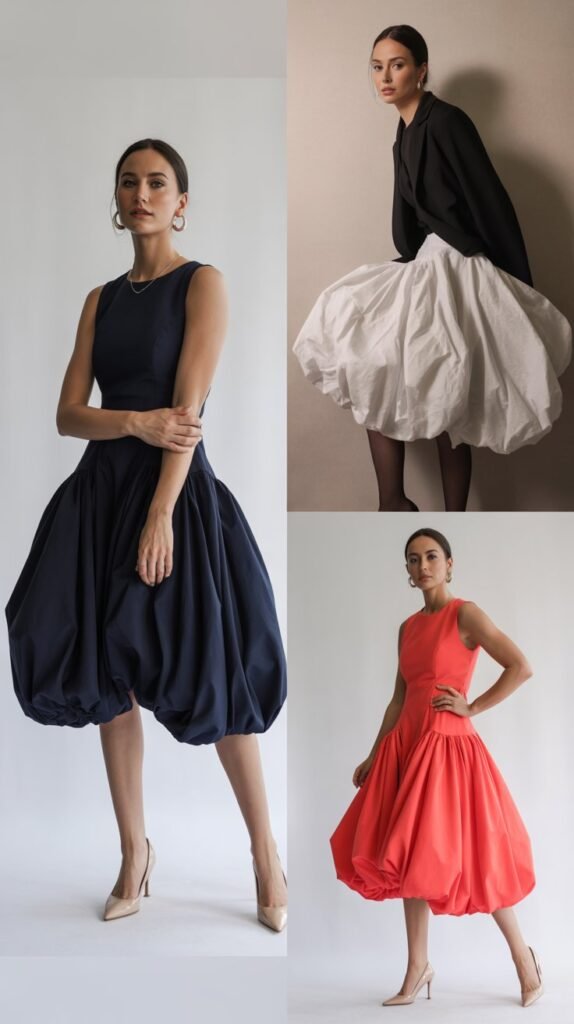
Bubble hems featured gathered, puffed hemlines that created playful, youthful silhouettes. Black women embraced this whimsical trend that added volume and movement in unexpected places.
- The gathered hemline created a rounded, ballooned effect that was distinctly different from standard straight or flared hems.
- This style added visual weight at the bottom, which balanced broader shoulders and created proportion.
- Black women often paired these with fitted tops or bodices, creating contrast between the structured upper and voluminous lower portions.
- The bubble effect worked in various lengths from mini to knee-length, with each creating different overall proportions.
- Fabrics needed sufficient body to hold the bubble shape, leading to choices like taffeta, organza, and structured cotton.
- The playful nature of bubble hems made them popular for parties, special events, and occasions calling for fun fashion.
- Styling typically included streamlined tops and minimal accessories to keep the bubble hem as the focal point.
23. Lace Dress Romanticism
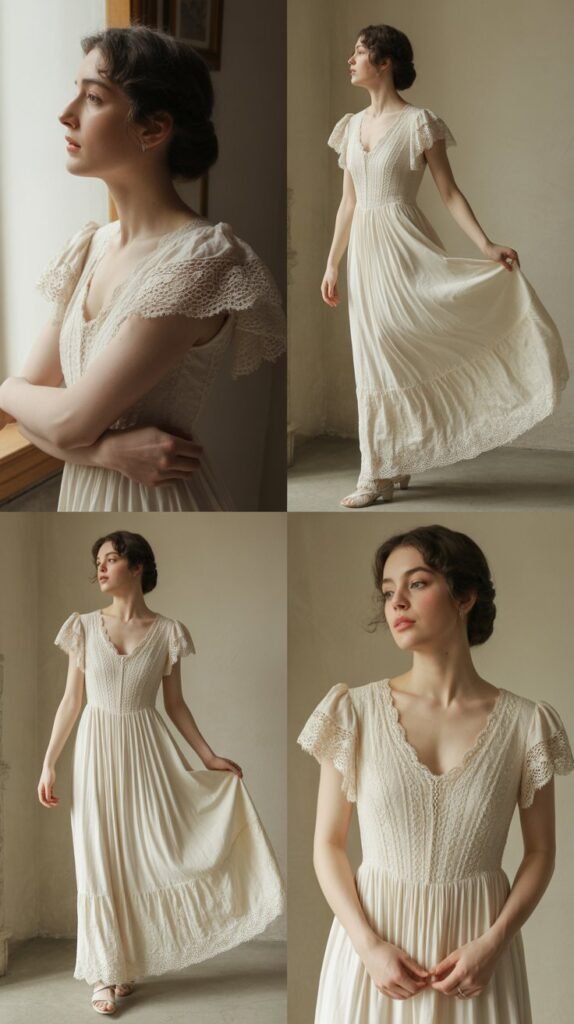
Lace dresses brought romance and delicacy to early 2000s wardrobes, and Black women wore them with both traditional elegance and unexpected edge. The intricate fabric added texture and femininity across various styles.
- Lace overlays on solid underlays created depth and allowed for creative color combinations and contrasts.
- Black women particularly embraced colored lace beyond traditional white, choosing bold hues that made modern statements.
- The texture of lace added visual interest that made even simple silhouettes more complex and engaging.
- Different lace patterns—from delicate florals to bold geometric designs—offered variety within the overall trend.
- Styling ranged from romantic and soft with flowing hair and delicate jewelry to edgy with leather jackets and boots.
- Sheer lace sections required careful underlays and strategic lining that added to the design complexity.
- The fabric’s inherent femininity made these dresses popular for special occasions while updated styling kept them contemporary.
24. Printed Jersey Mini Dresses
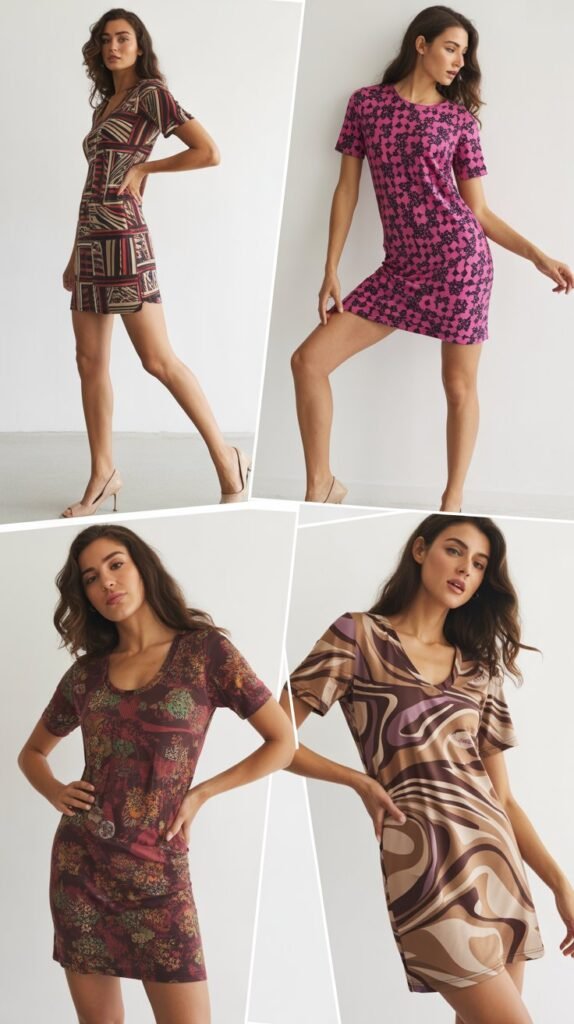
Jersey fabric mini dresses in bold prints offered comfort and stretch while making visual statements. Black women appreciated the easy wearability combined with eye-catching designs that required minimal styling effort.
- The stretchy jersey fabric moved with the body and didn’t restrict movement, making these dresses perfect for active social situations.
- Bold prints meant the dresses made statements on their own without requiring elaborate accessorizing or styling.
- Black women chose prints that ranged from abstract art-inspired designs to recognizable patterns and graphic motifs.
- The mini length was flattering for showcasing legs and created youthful, energetic silhouettes.
- Easy care and wash-and-wear properties made these practical pieces that maintained their look despite frequent wearing.
- The lightweight fabric worked well for layering, with many wearing these over fitted pants or with jackets and cardigans.
- Colors were typically saturated and bold, with designers using the jersey as a canvas for artistic expression.
25. Corset-Style Dress Structures
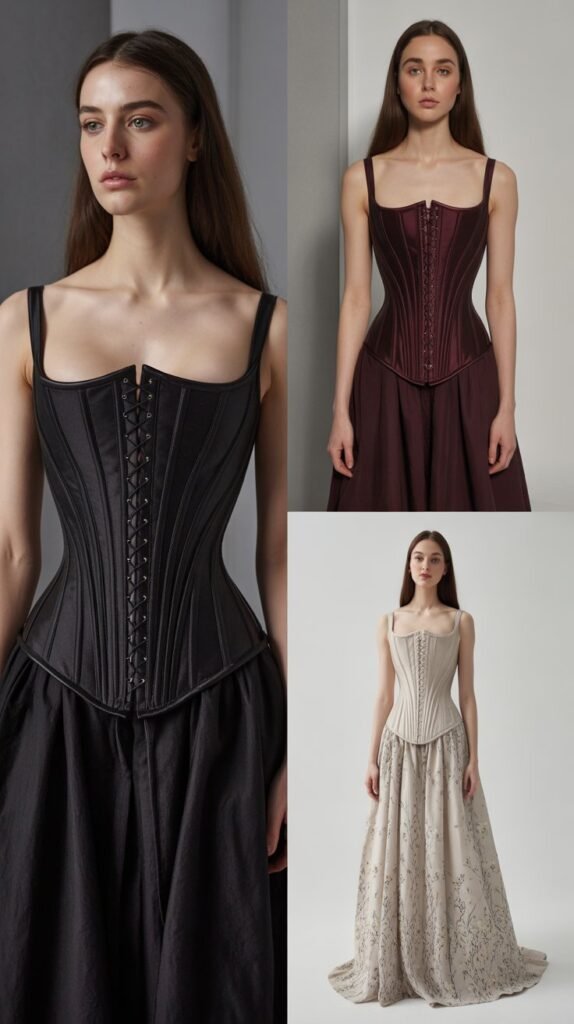
Corset detailing and structure appeared in dress designs that celebrated curves and created dramatic silhouettes. Black women embraced the body-celebrating aspects while appreciating the built-in shaping these dresses provided.
- Visible boning and lace-up details added Victorian-inspired elements to contemporary dress designs.
- The structure provided support and shaping that enhanced natural curves and created defined waistlines.
- Black women appreciated that these dresses didn’t require additional undergarments to achieve desired silhouettes.
- Corset elements appeared on everything from party dresses to casual daywear, showing the trend’s versatility.
- Materials ranged from traditional corset fabrics like satin and brocade to unexpected choices like denim and jersey.
- The dramatic waist definition created hourglass proportions that were celebrated rather than hidden.
- Styling often included letting the corset detail speak for itself with minimal accessories competing for attention.
26. The Ruched and Gathered Aesthetic
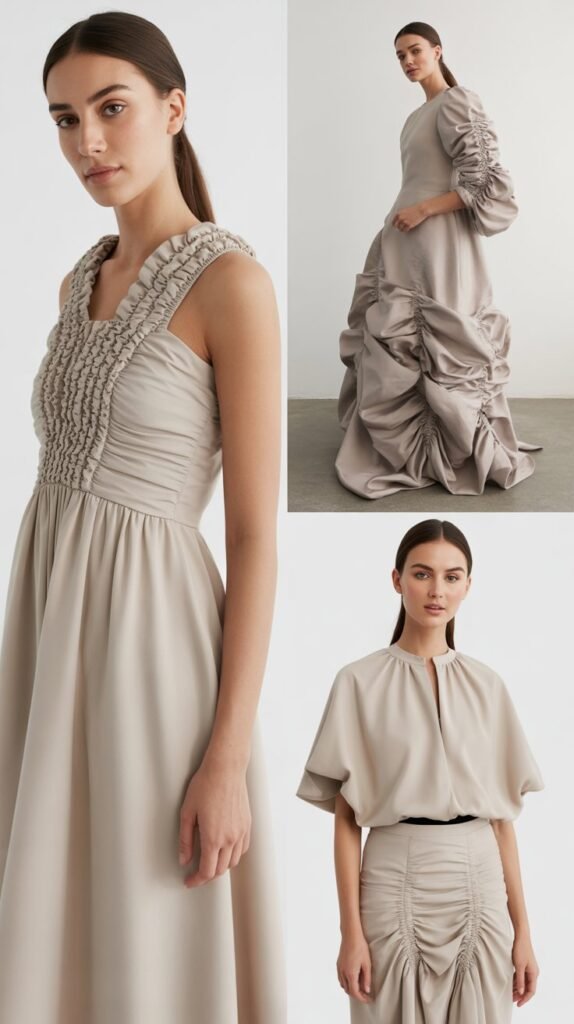
Strategic ruching and gathering created texture, controlled fit, and flattering effects that Black women used to their advantage. These details appeared across dress styles and served both functional and aesthetic purposes.
- Side ruching became particularly popular for creating slimming effects and controlling fit across the torso.
- The gathered fabric added texture that made solid colors more visually interesting and dynamic.
- Black women appreciated that ruching could conceal areas of concern while highlighting favorite features.
- Gathering techniques varied from subtle shirring to dramatic bunching that significantly altered the dress silhouette.
- These details worked across fabric types, though stretchy materials showed the technique most effectively.
- The three-dimensional quality of ruched fabric caught light differently than flat surfaces, adding depth to photographs.
- Strategic placement of gathering could create curves, define waists, or add volume where desired.
27. Color-Blocked Dress Designs
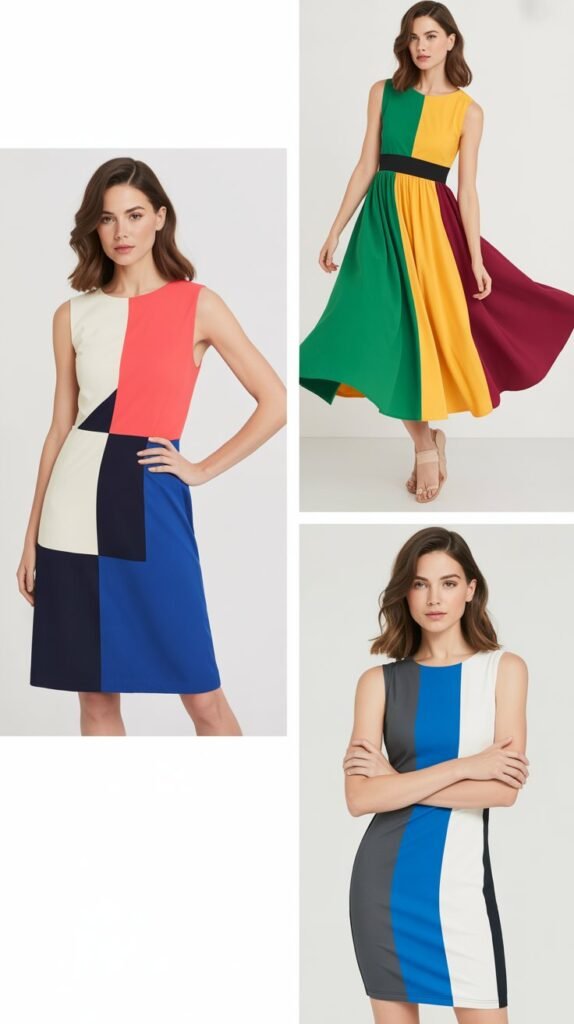
Bold color-blocking transformed dresses into wearable art pieces that Black women used to make powerful visual statements. This trend celebrated geometric design and fearless color combination.
- Contrasting color panels created graphic effects that were distinctly modern and artistic.
- Black women chose color combinations that both complemented their skin tones and made bold visual statements.
- The geometric divisions created by color-blocking added structure and interest to simple silhouettes.
- Popular combinations included black and white for classic contrast, as well as unexpected color pairings for more adventurous looks.
- The technique could create illusions—making certain body areas appear larger or smaller depending on color placement.
- Color-blocked dresses photographed beautifully, creating clear, striking images that translated well across media.
- Design lines created by color divisions often followed or created the dress’s structural seams and construction.
Conclusion
Looking back at these 27 Early 2000s Dress Outfits Black Women Rocked, it becomes clear that this era was about so much more than just clothing—it was about cultural expression, confidence, and the power to define beauty on one’s own terms.
Black women didn’t just follow trends during the early 2000s; they created, elevated, and transformed them into lasting cultural moments that continue to influence fashion today.
From the casual glamour of velour tracksuit dresses to the body-celebrating curves of bandage dresses, from the futuristic shine of metallic minis to the romantic elegance of lace, each style represented a different facet of Black feminine identity and creativity.
These weren’t just outfits—they were declarations of self-love, cultural pride, and artistic vision that pushed back against narrow beauty standards and expanded what fashion could be.
The versatility, boldness, and innovation Black women brought to early 2000s fashion set the foundation for today’s more inclusive and diverse fashion landscape.
Whether you’re feeling nostalgic for the Y2K aesthetic or discovering these iconic looks for the first time, the dress outfits that Black women rocked during this era remain powerful reminders that true style is timeless, fearless, and unapologetically authentic.
These fashion moments weren’t just trends that came and went—they were cultural statements that continue to inspire and empower.
